What to Know About Snail Lock Polishing Pad Quality and Use?
The quality of Snail Lock Polishing Pads is crucial in the automotive detailing industry. Recent reports indicate that high-quality polishing pads can improve finish quality by up to 25%. These pads offer unique features, including a locking mechanism that enhances user efficiency and reduces time spent on polishing tasks.
However, not all Snail Lock Polishing Pads are created equal. Industry experts suggest that users should be cautious about choosing products that lack certifications or proven performance metrics. There are many inferior options on the market, and they often fail to deliver consistent results.
Understanding the right application methods can further optimize their performance. Misusing these pads can lead to subpar results and wasted resources. Investing in quality products and proper techniques will yield superior outcomes. Remember, a well-informed choice can make a significant difference in your polishing experience.

Understanding Snail Lock Polishing Pads and Their Applications
Snail lock polishing pads have gained popularity in various polishing applications. These pads are designed to fit specific polishing machines, enhancing the efficiency of the process. When selecting a snail lock polishing pad, users should consider factors like material, grit size, and durability. Each pad serves different purposes, such as cutting, finishing, or refining surfaces. Understanding these distinctions can improve polishing outcomes and efficiency.
The construction of snail lock pads is crucial. High-quality pads often feature a robust backing that secures them during use. This stability is essential for achieving a consistent finish. However, some users may overlook the importance of pad maintenance. Regular cleaning and inspection can prolong the life of the pads. Neglecting these practices may lead to uneven surfaces or premature wear.
In practice, applying the right technique goes hand in hand with pad quality. Users must pay attention to pressure and speed settings. Overusing or mishandling pads can yield undesirable results, even with quality products. Reflection on these factors can lead to better polishing results. Hence, it becomes evident that using snail lock polishing pads effectively requires knowledge, care, and proper technique.
Key Features of High-Quality Snail Lock Polishing Pads
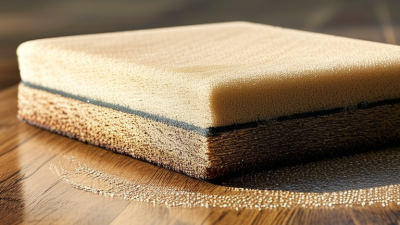
When selecting snail lock polishing pads, several key features define high-quality options. Material composition plays a crucial role in their effectiveness. High-quality pads often use varied densities, ensuring they can tackle different surfaces without damaging them. This adaptability is vital when working with delicate finishes on cars or furniture.
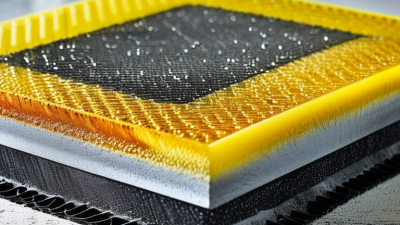
The design of the pad is equally important. A well-crafted pad should have a uniform structure that allows for even pressure distribution. This prevents gouges or uneven surfaces during polishing. Additionally, the hook-and-loop backing must securely hold the pad in place, allowing for easy changes between pads.
Durability is another critical aspect. High-quality pads resist wear and tear, providing better value over time. However, not all pads maintain their performance as expected. Some may fray or lose their shape quickly, requiring frequent replacements. Regular inspection of the pads is essential for optimal results. Consider the costs versus the lifespan of the pads you choose. Users should reflect on their experiences and choose wisely based on unique needs and practices.
Proper Techniques for Using Snail Lock Polishing Pads
When using Snail Lock polishing pads, proper technique is crucial for achieving optimal results. Start by selecting the right pad for your surface. Different materials require different pad types. Ensure the pad is attached securely to prevent any slips while polishing. This may seem simple, yet many overlook the importance of a secure fit.
Use a low-speed setting on your polisher initially. This allows for better control and reduces the risk of damaging the surface. Apply light pressure, allowing the pad to do the work. Rushing the process often leads to mistakes. Don’t be discouraged if you find yourself needing to go over the same area multiple times. Achieving a flawless finish takes practice and patience.
Regular maintenance of the polishing pad is also key. Clean the pad after each use, as debris can affect performance. Consider the condition of your pad regularly. Worn pads may not deliver the same quality. There’s often a temptation to keep using a pad until it’s completely unusable. This may result in unsatisfactory results. Take the time to assess and replace pads as needed.
Maintenance Tips for Extending the Life of Polishing Pads
Proper maintenance of snail lock polishing pads can significantly extend their lifespan. These tools are essential for achieving a high-quality finish but can wear down quickly without care. Regular cleaning is crucial. After each use, rinse the pads to remove residue and avoid build-up. This simple habit can prevent premature wear and maintain their effectiveness.
Another vital tip is to store pads correctly. Keep them in a cool, dry place to prevent degradation from humidity and temperature fluctuations. Avoid stacking them directly on top of each other, as this can lead to deformation. Instead, consider hanging or using storage that maintains their shape.
Be mindful of spotting any damage. Look for cracks or broken segments on your polishing pads. If you notice any issues, it's wise to replace them earlier rather than later. Using damaged pads can yield poor results and may even damage the surface being polished. Staying attentive to these details ensures the longevity of your polishing tools.
Common Mistakes to Avoid When Using Snail Lock Polishing Pads
When using Snail Lock polishing pads, many users make crucial mistakes that can lead to subpar results. One common error is applying excessive pressure during polishing. Industry reports indicate that a lighter touch often yields better results, allowing the pads to glide smoothly over surfaces. Over-application can lead to uneven finishes and increased wear on the pads. It's essential to trust the equipment and let it do the work.
Another frequent mistake is neglecting pad maintenance. Regular cleaning prevents paint and debris build-up, which can affect performance. According to data from the detailing industry, maintaining polishing pads can extend their lifespan by up to 50%. Users often overlook this aspect, resulting in diminished polishing effectiveness.
Inspecting pads for wear and tear is equally vital; torn or worn-out pads can harm the surface and ruin the finishing touch.
Finally, many individuals fail to match the pad type with the specific task at hand. Not every pad is suited for every finish. Selecting the correct pad can lead to a smoother application process and better results. Remember, trial and error is part of the learning curve. Embrace these challenges as opportunities to refine your technique and improve your skills.