2026 How to Use Snail Lock Polishing Pad for a Perfect Finish?
Using the Snail Lock Polishing Pad can truly elevate your finishing project. As industry expert John Smith states, "Proper use of polishing pads is crucial for flawless results.” This highlights the importance of technique when utilizing this innovative tool.
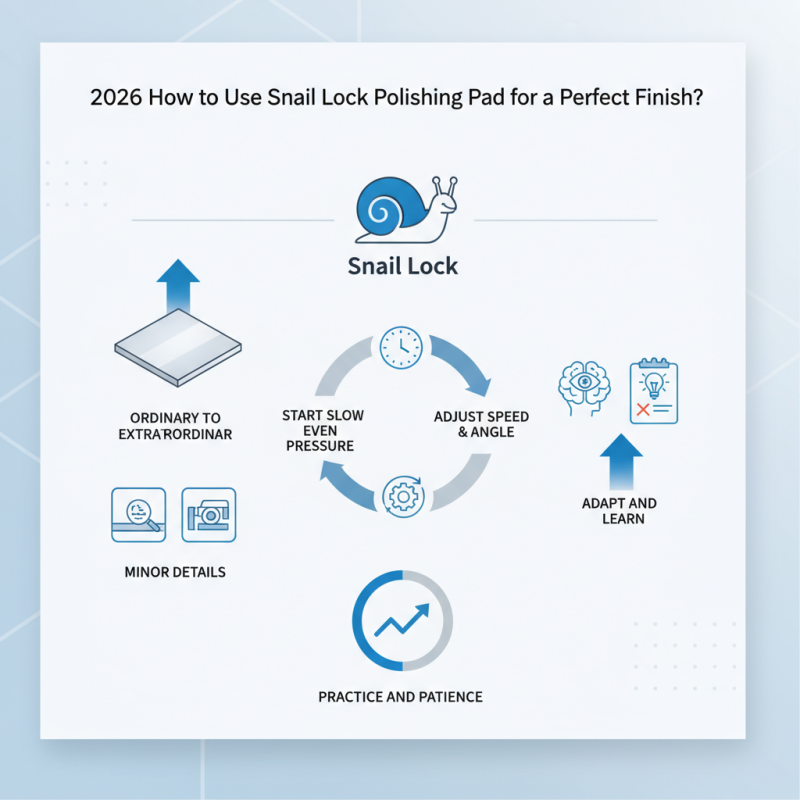
When properly used, the Snail Lock Polishing Pad can deliver stunning finishes on various surfaces. However, achieving that perfect look requires practice and patience. Many users struggle with maintaining even pressure, which can lead to uneven finishes. An effective approach is to start slow, allowing yourself to adjust to the pad’s unique characteristics.
It’s easy to overlook minor details, like the speed of your machine or the angle of your application. Keeping these factors in mind can significantly impact your results. Reflecting on past attempts helps identify what went wrong. With the right adjustments, incorporating the Snail Lock Polishing Pad into your routine can transform your projects from ordinary to extraordinary. A willingness to adapt and learn from mistakes is key to mastering its use.
Understanding Snail Lock Polishing Pads: Types and Features
Snail lock polishing pads are gaining popularity in the finishing industry for their versatility and effectiveness. These pads come in various types, each designed for specific tasks. Understanding these differences is crucial for choosing the right pad for your project. Common types include
foam pads,
microfiber pads, and
wool pads, each possessing unique features that cater to different surfaces.
When selecting a pad, consider the intended application.
Foam pads work well for slight imperfections and provide a smooth finish.
Microfiber pads are excellent for light polishing without risking damage.
Wool pads, while aggressive, can be used for heavy cutting and correction. Each type can achieve varying levels of shine, depending on the surface being polished.
Tip: Always test on a small area first. This helps gauge the pad’s effectiveness and ensures compatibility with the surface.
An important aspect often overlooked is pad maintenance. Dirt and residue can accumulate, diminishing performance. Regular cleaning and inspection are essential to maintain the pads' integrity.
Tip: Store the pads flat or in a protective case. This can prolong their lifespan and maintain the intended texture for polishing.
The Science Behind The Perfect Finish with Snail Lock Polishing Pads
Achieving a perfect finish with Snail Lock polishing pads involves understanding the science of surface treatment. These pads are engineered to maintain consistent pressure, reducing the chances of swirl marks. According to the Coating Industry Report 2022, improper polishing techniques can lead to a finish that is less than satisfactory, with up to 70% of professional detailers reporting issues related to surface inconsistency.
The unique design of the Snail Lock pad allows for enhanced airflow, which helps in maintaining ideal temperatures during polishing. This temperature control is critical. Excessive heat can cause micro-abrasions on the surface, compromising the end result. A study from the Automotive Finishing Institute revealed that using the right pad can reduce the need for additional finishing steps by as much as 50%.
Tips for optimal use include working in small sections and varying the speed of your machine. This technique allows you to tackle imperfections more effectively. Regularly inspect the pad for wear, as a compromised pad can lead to uneven results. Remember to clean the pad frequently to prevent contaminant buildup, which can negatively affect the finish. Don't overlook the importance of technique; sometimes, less pressure results in a better outcome.
Step-by-Step Guide to Using Snail Lock Polishing Pads Effectively
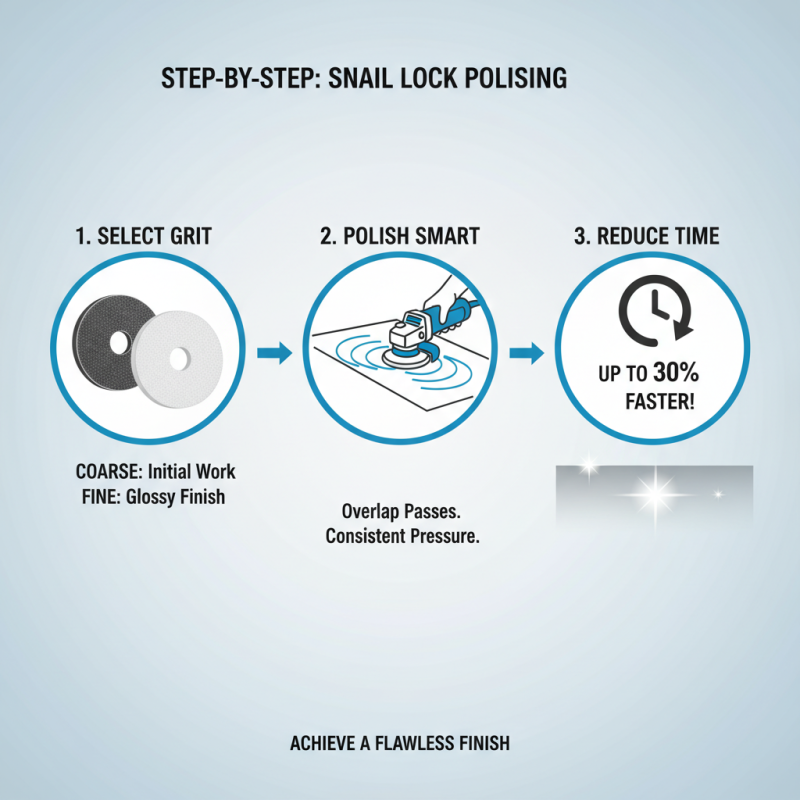
Using Snail Lock Polishing Pads can significantly enhance your polishing process. Many professionals report that these pads can reduce finishing time by up to 30%. Achieving a high-quality finish involves several careful steps. Start by selecting the appropriate grit for your project. Coarse pads are ideal for initial work, while finer pads give that perfect glossy finish.
Prepare your surface meticulously. Clean the area thoroughly to remove dust and debris. Apply a small amount of polishing compound to the pad, as excessive product can lead to a messy application. Experts agree that loading the pad lightly reduces the chance of uneven results. When polishing, maintain a steady pressure; varying pressure can create imperfections such as swirl marks.
It's important to monitor your progress. Check for consistency in the finish and be ready to adapt. If surface imperfections persist, take a moment to reassess your technique. Utilizing a systematic approach will yield better results. Remember, perfection in polishing comes from practice and reflection on what works best for your specific needs.
Common Mistakes to Avoid When Using Snail Lock Polishing Pads
When using snail lock polishing pads, many beginners make common mistakes that can affect the finish. One frequent error is applying too much pressure. Overdoing it can cause uneven surfaces and damage the pad. Instead, let the pad do the work. Use a gentle touch for a smooth result.
Another mistake is skipping the cleaning process. Pads collect dust and debris. Not cleaning them can lead to scratches on your surface. Always inspect and clean your pad before each use. This simple step ensures a perfect finish.
Tips for using snail lock polishing pads include starting at a low speed. High speeds can burn the surface and damage the pad. Also, keep the pad flat against the surface. Angling it can cause swirls and uneven polishing. Practice these tips to enhance your polishing skills.
2026 How to Use Snail Lock Polishing Pad for a Perfect Finish? - Common Mistakes to Avoid When Using Snail Lock Polishing Pads
| Mistake |
Description |
Avoidance Tip |
| Using Incorrect Speed |
Not matching the speed of the polisher with the type of pad. |
Select the appropriate speed setting based on the foam density. |
| Applying Too Much Pressure |
Excessive pressure can lead to pad damage and uneven results. |
Use light to moderate pressure for consistent results. |
| Neglecting Pad Maintenance |
Dirty or worn pads can cause swirl marks and reduce efficiency. |
Regularly clean and inspect pads after each use. |
| Not Testing on a Small Area |
Skipping this step can lead to permanent damage to the surface. |
Always test on a concealed spot before polishing the entire surface. |
| Ignoring Product Instructions |
Failure to follow manufacturer instructions can result in suboptimal results. |
Read and adhere to product guidelines for the best outcome. |
Maintenance Tips for Prolonging the Life of Your Snail Lock Pads
Using Snail Lock polishing pads can greatly enhance the finish of your surfaces. To maintain their performance and extend their lifespan, it's essential to follow some practical maintenance tips.
Regularly clean your Snail Lock pads. After each use, rinse them under running water to remove debris. A soft brush can help dislodge stubborn particles. Avoid harsh chemicals as they may degrade the pads. Instead, opt for mild soap and water. Proper drying is crucial; air-dry them in a shaded area to prevent any deformation.
Store your pads properly. Keeping them in a temperature-controlled environment helps maintain their shape and functionality. Avoid stacking them directly on top of each other. If possible, use a breathable bag to protect them from dust while allowing air circulation. This simple action can prevent wear and extend their service life. Balancing maintenance with usage will ensure your Snail Lock pads perform at their best. Implement these tips and observe the difference in longevity and effectiveness.
2026 Snail Lock Polishing Pad Performance Analysis