Top 10 Metal Abrasives You Need for Your Next Project?
In the demanding world of manufacturing and construction, the role of metal abrasives is crucial. These materials enhance surface finishing, improve dimensional accuracy, and ensure effective material removal. According to a report by Grand View Research, the global abrasives market is expected to reach USD 56.8 billion by 2025, with metal abrasives being a significant contributor to this growth.
Choosing the right metal abrasives can be challenging. The variety available—such as aluminum oxide, silicon carbide, and ceramic—each serves different applications. Industry professionals must understand their project requirements to select the most effective option. Missteps in this selection can lead to inefficiencies and increased costs, highlighting the need for careful consideration.
Moreover, as newer technologies emerge, the efficiency of metal abrasives is continually improving. However, not all abrasives are created equal. Therefore, professionals must remain educated about their properties and applications. This is vital for achieving the desired results in any project. Investing time in understanding metal abrasives is a step towards superior performance and productivity in manufacturing tasks.
Understanding the Role of Metal Abrasives in Manufacturing Processes
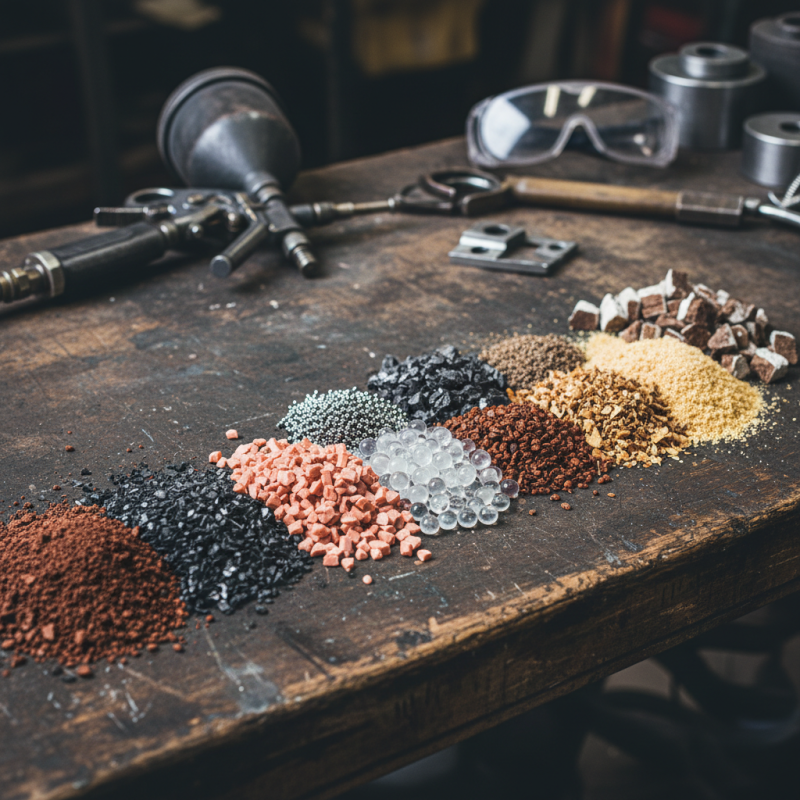
Metal abrasives play a crucial role in various manufacturing processes. They are essential for cutting, grinding, and polishing metals. Different metals require specific types of abrasives to achieve the desired finish. Proper selection enhances efficiency and product quality, but mistakes can occur.
In many factories, workers often underestimate the impact of the right abrasive. For example, using a coarse abrasive on a delicate surface can lead to damage. Conversely, choosing a fine abrasive might not yield desired results on tougher materials. Each abrasive type has its strengths and weaknesses. Understanding these attributes is key to optimizing production.
Moreover, the working environment affects abrasive performance. Dust and moisture can decrease effectiveness. Training workers to recognize these factors is vital. Regular assessments should be conducted to determine if the current abrasives meet production needs. Without such evaluations, inefficiencies could arise, leading to wasted resources and time.
Types of Metal Abrasives: A Comprehensive Overview
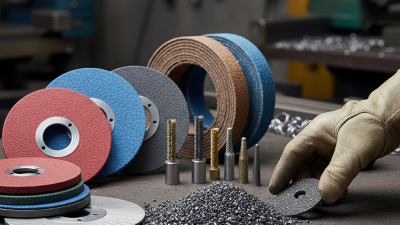
When embarking on a metalworking project, choosing the right abrasives is crucial. Various types of metal abrasives serve distinct functions, contributing to efficiency and quality. For example, alumina abrasives are widely referenced in industry reports for their versatility. These are effective on different metals and can handle demanding applications. According to industry data, over 70% of professionals prefer alumina for heavy-duty tasks.
Another significant category is silicon carbide, known for its sharp cutting ability. This abrasive is ideal for finishing touches on metals. Experts often cite its effectiveness in producing a smooth surface finish. Research shows that projects using silicon carbide can reduce labor time by up to 30%.
Tips: Always select abrasives based on project requirements. Ensure compatibility with the material you are working on. Regularly assess aged abrasives for wear and tear. A worn abrasive can hinder progress significantly. Understanding the characteristics of each abrasive will enhance your outcomes. Make informed choices, as the right abrasive can make all the difference in your metalworking project.
Key Factors to Consider When Choosing Metal Abrasives
Choosing the right metal abrasives can significantly impact the quality of your project. Factors such as material type, grit size, and bonding agent must be considered. Each project requires different demands and an understanding of these factors is essential for optimal results.
When selecting abrasives, pay attention to the material being worked on. Harder materials require tougher abrasives. For softer metals, softer abrasives can be more effective. Grit size is also crucial. A lower grit removes material faster, while a higher grit provides a smoother finish.
**Tips:** Always test a small area before extensive work. This prevents mismatched abrasives from ruining your project. Don’t forget about the safety measures either. Proper protective gear is essential to avoid injuries.
Another consideration is the bonding agent. Different bonds serve different purposes. Some are more durable while others offer flexibility. The right choice can enhance performance, but it can also lead to some trial and error. Reflect on your past experiences. Every project teaches you something new.
Top 10 Recommended Metal Abrasives for Various Applications
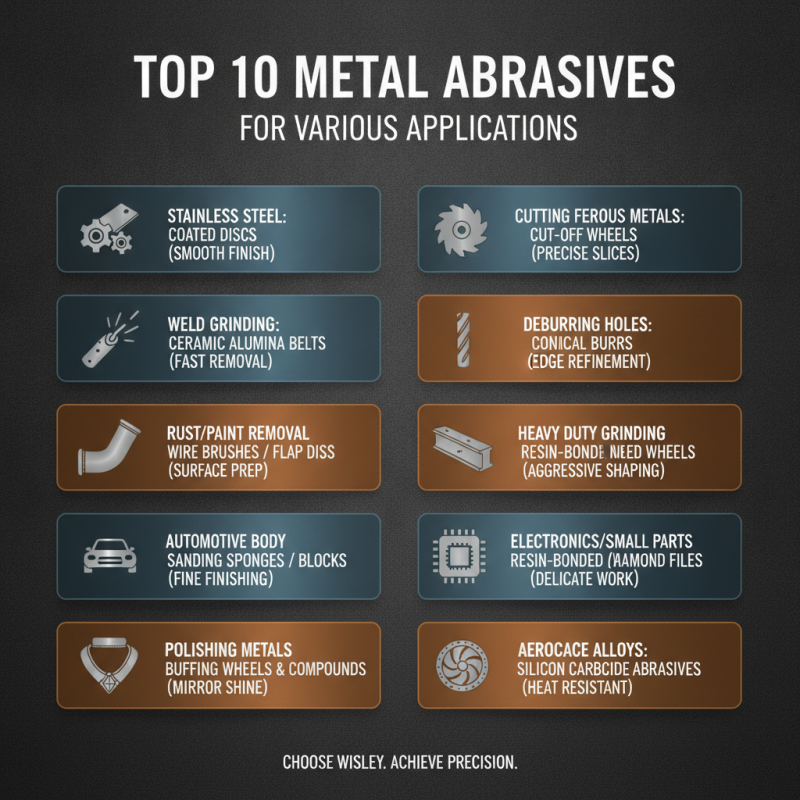
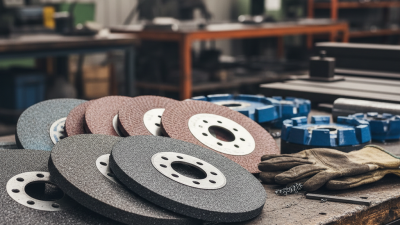
Choosing the right metal abrasives for your project can make a significant difference. This especially applies to tasks, like sanding or grinding, where precision is crucial. Various applications require different types of abrasives. For instance, when working on stainless steel, a high-quality coated abrasive disc is essential. This product cuts efficiently, ensuring a smooth finish that minimizes scratches.
Flap discs can be particularly useful when seeking versatility. They allow for both grinding and blending, making them ideal for intricate tasks. However, not everyone is skilled at selecting abrasives. Many users overlook the importance of grit sizes. A finer grit provides a polished finish, while a coarser grit removes material faster. This misunderstanding can lead to unsatisfactory results, often prompting a rework of the entire piece.
Another key point is the material of the abrasive itself. Ceramic abrasives tend to last longer than aluminum oxide options but can be more expensive. Some may choose the cheaper option, only to regret it later when quality suffers. It's essential to balance cost and performance to achieve the best outcome. Understanding these nuances will empower you to make informed decisions for your next project.
Safety Practices When Using Metal Abrasives in Projects
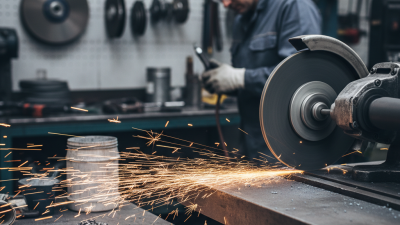
When working with metal abrasives, safety should be your top priority. Protective gear is essential. Always wear safety glasses to shield your eyes from flying debris. A dust mask can prevent inhalation of harmful particles. Gloves must be durable to protect your hands from cuts and abrasions. Each tool has its risks. Understanding them helps in staying safe.
Always inspect your abrasives before use. Look for signs of wear or damage. Use a tool that fits the job. A mismatch can lead to accidents. Ensure your workspace is clean. Clutter can be a trip hazard. Designate a safe area for cutting and grinding activities.
Tips: Always have a fire extinguisher nearby. Sparks from metal can ignite flammable materials. Keep your first aid kit stocked and within reach. Remember to take breaks, as fatigue can lead to mistakes. Reflect on your work environment—could it be improved for safety? Regularly review your safety practices to avoid complacency.