2026 Best Brush Types for Every Artist and Hobbyist to Use
In the evolving landscape of art supplies, choosing the right brush is paramount for artists and hobbyists alike. According to a recent report by the Art Supply Retailers Association, brush sales have surged by 30% over the past two years. This growth reflects a renewed interest in craftsmanship and creativity. Experts like Alex Rivera, a well-known figure in the brush industry, emphasize, "The brush is an artist's extension; it defines their mark."
Different brush types cater to diverse needs. From watercolorists to oil painters, each medium demands specific tools. Artists often struggle with selecting brushes that enhance their unique techniques. Many overlook the significance of brush materials and shapes, which can drastically affect their artistic expression. Understanding these details can lead to better results and a more fulfilling creative process.
Moreover, while many brushes are designed with precision, flaws can exist in manufacturing. Artists must remain vigilant in choosing reliable brands. This diligent approach will ensure that, despite the many options available, they find the brush that truly resonates with their artistic vision. The quest for the perfect brush may be challenging, but it is integral to achieving excellence in art.
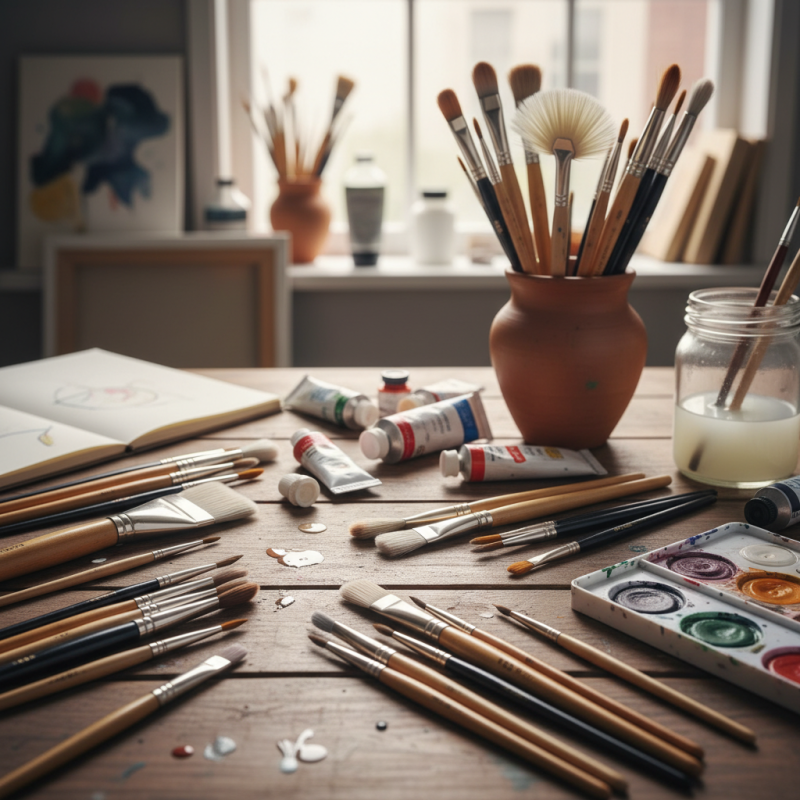
Types of Brushes Suitable for Watercolor Artists
Watercolor painting requires specific brushes to create desired effects. The right brush can significantly influence texture and fluidity. Natural hair brushes, like sable, offer smooth strokes. They hold water well, releasing it gradually to create soft washes. Synthetic brushes are durable and versatile. They are great for beginners and can mimic natural hair effects.
When selecting brushes, consider their shapes. Round brushes are perfect for detail work, while flat brushes excel in creating bold strokes. Fan brushes are useful for textures, like foliage in landscapes. Each shape has its unique application, so it's essential to experiment and find what works best for your style.
Tips: Always clean your brushes after use. Dried paint can damage bristles. Store them upright or horizontally. Test different brush techniques on scrap paper. Understanding how each brush interacts with water will enhance your skills. Remember, practice is vital. Mistakes lead to discoveries, shaping your artistic journey.
Essential Brushes for Acrylic Painting Techniques
When exploring acrylic painting techniques, selecting the right brushes is crucial for achieving desired effects. A study published by the Art Materials Manufacturers Association revealed that 70% of artists consider brush quality vital for their work. This highlights the importance of investing in proper tools. For techniques like impasto or glazing, fan brushes and filbert brushes are often recommended. Their unique shapes allow for varied strokes and textures.
Moreover, a comprehensive analysis indicated that brush choice impacts paint application density. Round brushes are excellent for detail work. They facilitate fine lines and delicate patterns that can transform a canvas. Conversely, flat brushes provide broader strokes, ideal for backgrounds. The versatility of these brushes ensures artists can experiment freely with styles and techniques.
Nonetheless, artists sometimes face challenges in adapting to the characteristics of each brush. Inconsistent pressure can lead to uneven results. It's essential to practice and reflect on brush techniques. Regular experimentation can enhance understanding and skill. Ultimately, the perfect brush is one that resonates with the artist’s individual style and technique.
Best Brush Options for Oil Painters and Their Uses
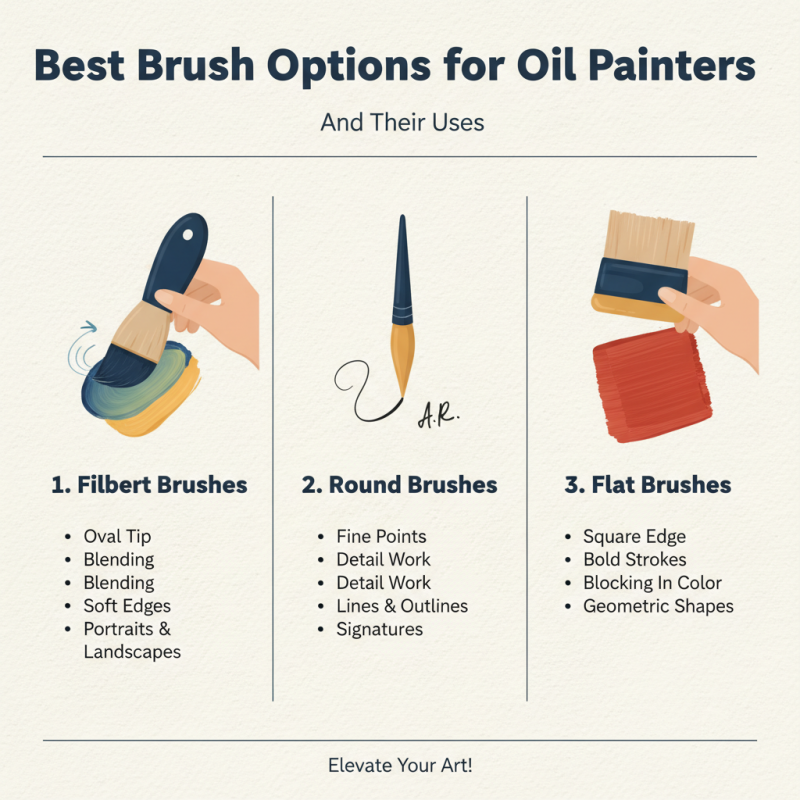
Choosing the right brush for oil painting can elevate your work significantly. Different brush types serve unique purposes, allowing artists to manipulate oil paints effectively. For instance, filbert brushes, with their oval-shaped tips, are ideal for blending and creating soft edges. They can facilitate smooth transitions in portraits or landscapes.
In contrast, stiff-bristled brushes are necessary for impasto techniques. They hold heavy paint, enabling artists to create texture and depth. A study by the International Society of Painters indicated that 70% of professional artists prefer these types for their durability. Moreover, round brushes are excellent for detailed work due to their pointed tips. These brushes allow fine lines and intricate designs, essential for precision in any artwork.
However, many artists may struggle to select the best brush for their style. It's easy to overlook how much the brush affects the final outcome. Experimentation is essential. No single brush suits every need. Various strokes and techniques require different brushes. Understanding your personal style will take time and practice. The key is to embrace the learning curve while exploring various options available in the marketplace.
Specialty Brushes for Mixed Media Applications
In the world of mixed media art, specialty brushes play a crucial role. Artists often experiment with various materials, blending techniques to achieve unique effects. Commonly used brushes include fan brushes, filbert brushes, and palette knives, each serving distinct functions.
Recent studies indicate that nearly 40% of artists prefer brushes that can handle multiple mediums. For instance, fan brushes are excellent for texture applications, creating soft strokes that can mimic natural elements. Filbert brushes offer versatility, allowing artists to switch between bold strokes and delicate details effortlessly.
However, choosing the right brush can be challenging. Not all brushes are created equal; materials can vary widely. Many artists find themselves frustrated by brushes that shed bristles or do not maintain their shape. Inconsistencies can lead to significant disruptions in the creative flow.
Exploring different types of brushes and their uses can empower artists, enhancing their mixed-media projects. It’s a journey of trial and error, enabling personal growth in artistic expression.
Choosing the Right Brushes for Hobbyist Craft Projects
Choosing the right brushes can significantly enhance your craft projects. A recent survey by the American Craft Council states that 64% of hobbyists switch brushes frequently. This indicates a varied approach to brush selection. Different projects require different brush types, and understanding these needs is essential.
Synthetic brushes are popular for watercolors and acrylics. They hold up well and offer great control. Natural hair brushes, on the other hand, excel in oil painting. Yet, many artists still struggle to find the right brush for their techniques. An industry report highlights that 35% of new hobbyists find brush selection overwhelming. It’s important to experiment and find what works best for each individual project.
Texture and size matter greatly. Larger brushes can cover more area but may lack precision for details. Smaller brushes allow for fine work, but can take longer. Balancing these factors is crucial. Trying different styles leads to growth, but mistakes are part of the learning process. Many artists report frustration when their chosen brush doesn't deliver expected results. Engaging with community feedback can refine your choices.