Top Polishing Pads for a Perfect Finish What Should You Choose?
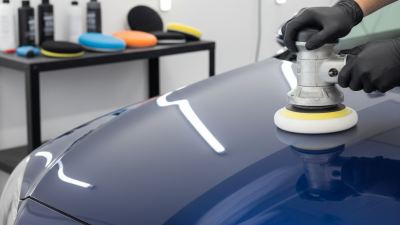
Achieving a flawless finish on any surface requires the right tools. Among these, polishing pads play a crucial role. They come in various materials, sizes, and grades. Choosing the correct polishing pads can greatly impact the end result of your project.
The market offers a wide selection of polishing pads, each designed for specific tasks. Foam pads, for instance, are great for gentle finishes. Wool pads, on the other hand, are suitable for aggressive cutting. Not all pads are universally effective. Using the wrong type can lead to unsatisfactory results, causing frustration.
It’s essential to consider the surface you'll be working on. Car paint, wood, or metal may each need a different pad. The skills of the user also matter. Even with the best polishing pads, technique plays a significant role. Feedback and practice can help improve the final outcome. Remember, selecting the right pad is just as important as mastering the technique itself.
Understanding the Different Types of Polishing Pads Available
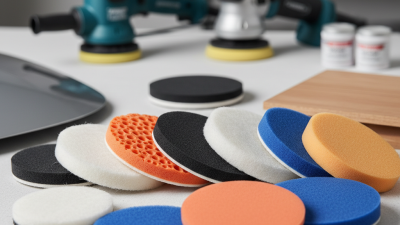
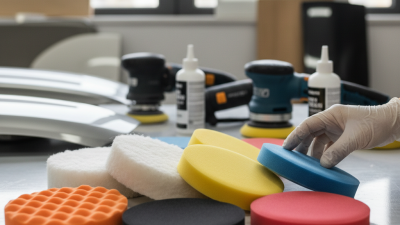
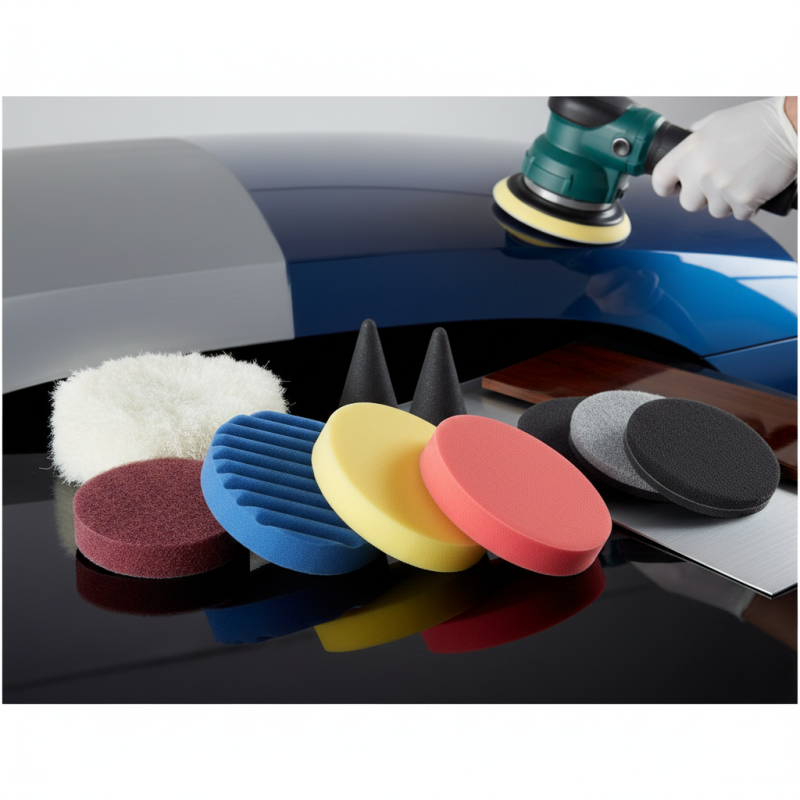
When choosing polishing pads, understanding the different types is crucial. Each pad serves a unique purpose and is designed for specific tasks. Foam pads, for instance, are versatile and suitable for various finishes. They come in several densities, offering options for light polishing or heavier correction work. In contrast, microfiber pads are excellent for removing defects and yield a high-gloss finish, but they may wear out faster than foam.
According to a recent industry report, nearly 70% of professionals prefer foam polishing pads for their balance of performance and durability. However, it’s essential to recognize that not every pad suits all surfaces. Some may create swirl marks on softer paints. Thus, testing different pads on inconspicuous areas is advisable.
Tip: Always pair the correct pad with the right compound. This combo can drastically improve the finish quality. Furthermore, pay attention to wear patterns. An unevenly worn pad may indicate improper technique or pressure. Regularly inspect pads for signs of damage, as using a worn pad can hinder results. Making these adjustments can lead to a more refined outcome.
Top Polishing Pads for a Perfect Finish
Key Factors to Consider When Choosing Polishing Pads
When selecting polishing pads, understanding material types is crucial. Foam, wool, and microfiber pads have distinct uses. Foam pads are popular for their versatility and ability to create a high-gloss finish. According to a recent industry report, foam pads are preferred by 65% of professionals due to their adaptability for different surfaces. Wool pads, on the other hand, excel in cutting and heavy compounding. Data reveals that these pads are often favored for removing oxidation and defects on tougher surfaces.
Durability is another key factor. High-quality pads can endure multiple uses without losing efficacy. Industry studies suggest that investing in pads with robust backing materials can reduce replacement frequency by up to 30%. It’s important to consider the pad’s density as well. Denser pads may last longer but can build up heat, which can affect performance. The balance between cushion and cut is vital to achieving optimal results.
Compatibility with polish is essential. Not all pads work well with every polish solution. Research indicates that using mismatched combinations can lead to subpar finishes and increase the risk of surface damage. Testing different combinations in a small area can help identify the best match. Remember, even experienced detailers sometimes overlook these factors, leading to imperfect results. Refinement in choices can lead to a more professional finish.
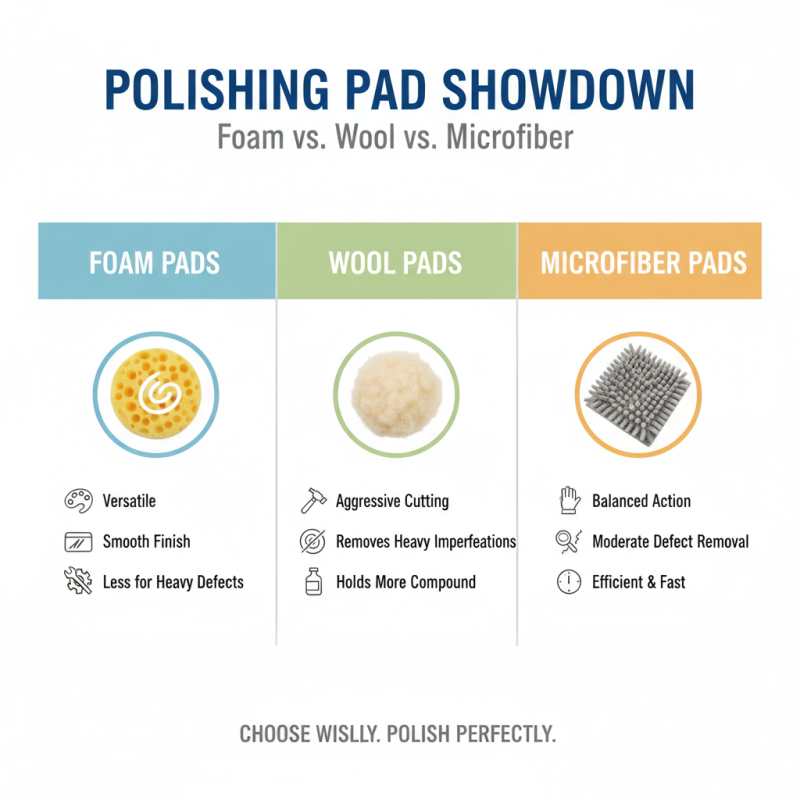
Comparing Foam, Wool, and Microfiber Polishing Pads
Choosing the right polishing pad can dramatically affect your project’s outcome. Foam, wool, and microfiber pads each have unique properties. They vary in texture, absorbency, and application techniques. Foam pads are popular for their versatility. They can create a smooth finish and are easy to control. However, they might not handle heavy imperfections as well.
Wool pads are often preferred for aggressive cutting. They can remove scratches and swirls effectively. Their texture allows for more product delivery but can produce a rougher finish. For delicate surfaces, this might not be ideal. Microfiber pads strike a balance between cutting and refining. They offer good absorbency and can be used on various surfaces. Yet, they may require frequent cleaning to maintain effectiveness.
Consider the type of project you’re tackling. Each pad has strengths and weaknesses. A wool pad may work wonders on a neglected surface. However, it might require additional steps to achieve that flawless shine. Foam pads provide convenience but may require multiple passes for perfection. Ultimately, understanding your material and desired finish will guide your choice.
Best Practices for Using Polishing Pads for Optimal Results
Using polishing pads effectively can significantly enhance your finishing process. Choose the right pad for your surface and desired outcome. Soft pads are great for delicate surfaces. Firmer pads work wonders on tougher materials. Always consider the type of polish you are using, as this will impact your choice of pad.
Tips: Start with a small test area. This will help you gauge the pad's effectiveness without risking the entire surface. Adjust your technique based on how the pad interacts with the material. Remember, a heavy hand can lead to uneven results. It’s essential to maintain a steady, light pressure for a flawless finish.
Cleaning your pads after each use is vital. This prevents the accumulation of product residues, which can affect performance. Inspect the pads for wear and tear. A damaged pad will not yield the desired results. Always have a backup pad on hand. This ensures you can continue your work without interruption.
Care and Maintenance Tips for Longevity of Polishing Pads
Maintaining polishing pads is crucial for achieving a perfect finish. Research indicates that well-cared-for pads can increase efficiency by up to 30%. Regular cleaning is essential. Dirt and debris can degrade performance. Inspect pads after each use. Look for wear or damage. Replace them when necessary to avoid inferior results.
Consider the storage conditions, too. Extreme temperatures can warp and degrade materials. It’s best to store polishing pads in a cool, dry place. Humidity can affect their longevity. Industry studies show that improper storage can shorten a pad's lifespan by nearly 25%.
Professional users emphasize the importance of proper technique. Even a high-quality pad can suffer if misused. Using too much pressure can lead to overheating and premature wear. Proper technique not only extends the life of the pads but also enhances your finish quality. Regularly evaluate your method and adjust as needed to avoid common pitfalls. Reflect on your approach after each project to ensure continuous improvement.
Top Polishing Pads for a Perfect Finish
| Pad Type |
Material |
Aggressiveness |
Best Use |
Longevity Tips |
| Foam Pad |
Polyurethane |
Medium |
Final polishing |
Clean regularly, avoid extreme heat |
| Wool Pad |
Sheep's wool |
High |
Heavy cutting |
Wash after each use, store in a cool place |
| Microfiber Pad |
Microfiber |
Low to Medium |
Finishing and polishing |
Avoid fabric softeners, launder in warm water |
| Backing Pad |
Rubber/Plastic |
N/A |
Supporting other pads |
Check for wear, replace when damaged |