How to Choose the Best Metal Abrasives for Your Needs?
Choosing the right metal abrasives can significantly impact your project’s outcome. According to industry expert John Smith, "Selecting the right abrasives is essential for achieving optimal results." With so many options available, the decision can be overwhelming. You must consider factors like material type, grit size, and application method.
Metal abrasives play a crucial role in processes such as grinding, polishing, and finishing. Different projects require different abrasives. For instance, some applications need more aggressive abrasives than others. The wrong choice can lead to inefficient processes or even damage your workpiece.
Many practitioners have faced challenges in choosing the appropriate metal abrasives. Sometimes, trial and error becomes necessary. However, this approach can be costly in time and resources. Reflecting on past experiences can guide future choices. Understanding your specific needs and the characteristics of available abrasives can ensure you select the best option for your tasks.
Understanding the Different Types of Metal Abrasives Available
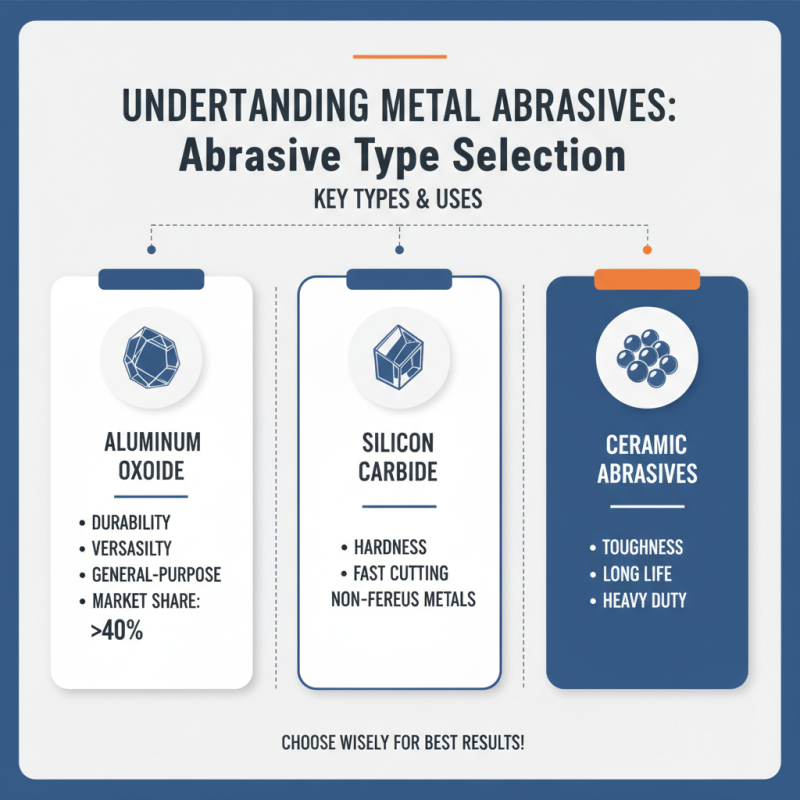
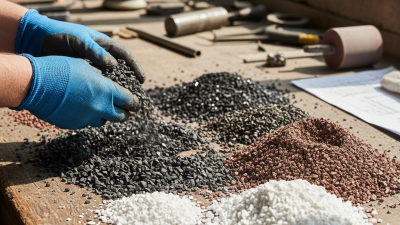
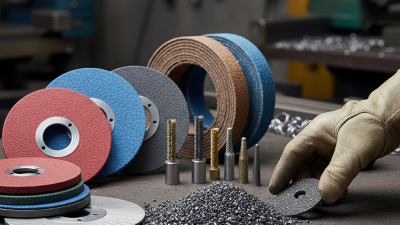
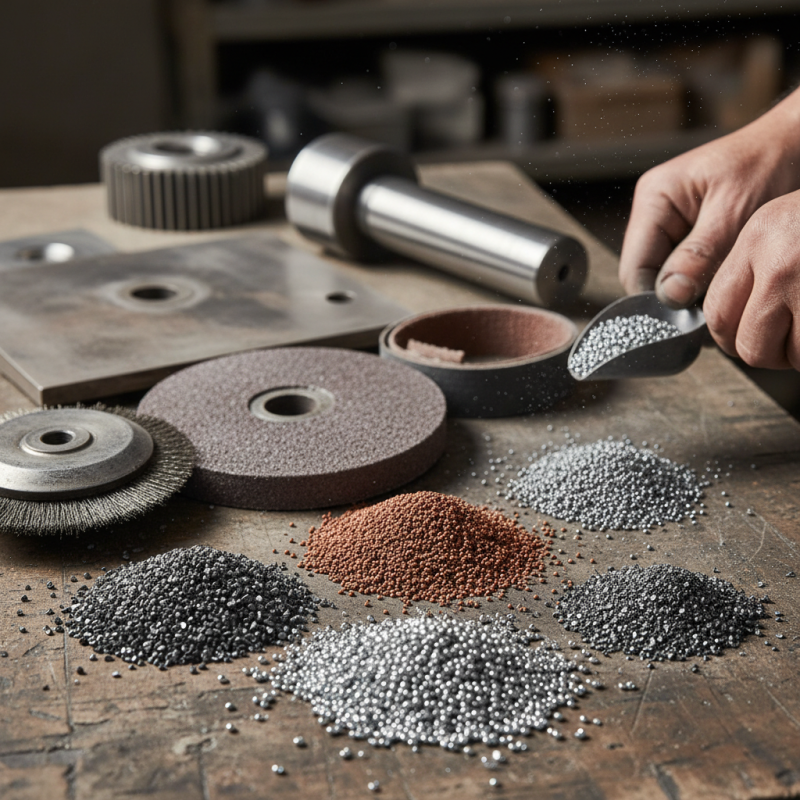
When selecting the right metal abrasives, understanding the types available is crucial. Abrasives come in many forms, each tailored for specific tasks. Common types include aluminum oxide, silicon carbide, and ceramic abrasives. Each type excels in different applications. For instance, aluminum oxide is often favored for its durability and versatility in various materials. Reports indicate that it accounts for over 40% of the metal abrasives market.
Silicon carbide, on the other hand, is known for its sharpness and is ideal for harder materials. It’s commonly used in glass and stone applications. According to industry studies, companies using silicon carbide see efficiency improvements of up to 30% in cutting tasks. This indicates the importance of aligning abrasive choices with the material being processed.
Ceramic abrasives are another option, providing longevity and cutting power. While they are more expensive, their lifespan can justify the cost, especially in high-demand environments. However, not all tasks require such robust tools. Smaller projects might benefit from less costly alternatives. Understanding your specific needs can help you make informed choices, avoiding potential waste and enhancing performance.
Evaluating Your Specific Metalworking Needs and Applications
When evaluating your specific metalworking needs, consider the type of metal you are working with. Different metals require different abrasives for optimal results. For example, harder metals may need more aggressive abrasives. Softer metals, however, could be best served with gentler options. Assessing the hardness and composition of the metal is crucial for selecting the right abrasive.
The application is equally important. Are you grinding, cutting, or polishing? Each task demands different attributes from an abrasive. For heavy grinding, choose a durable abrasive that can withstand high pressure. For polishing, a finer abrasive would create a smooth finish. Think about the required speed and efficiency as well. Ineffective choices can lead to increased wear and wasted time.
Also, reflect on your experience level with metalworking. Beginners might need to start with versatile abrasives that can handle various tasks. Advanced users can explore specialty options tailored to specific applications. There’s no one-size-fits-all solution. Learning from trial and error can lead to better choices in the long run. Understanding both your needs and applications will guide you to more effective decisions.
Comparing Performance Factors of Various Metal Abrasives
When selecting metal abrasives, performance factors play a critical role. Different abrasives have unique characteristics influencing their effectiveness. Factors such as hardness, grit size, and material type significantly impact the results you achieve. Harder abrasives are more effective for cutting tougher materials. For lighter tasks, a softer abrasive may suffice.
Grit size is another essential element. Finer grits provide a smoother finish but may require more effort to remove material. Coarse grits are efficient for heavy removal but can leave rough surfaces. The balance between durability and aggressiveness is crucial. Testing different combinations can lead to better outcomes. A common pitfall is choosing an abrasive based solely on initial impressions without considering compatibility with specific applications.
Lastly, don't overlook safety considerations. Certain abrasives can produce hazardous dust or sparks. Always prioritize protective gear and proper ventilation when working. In the quest for the best metal abrasives, being reflective and open to learning is invaluable. Trial and error can lead to improvements in technique and efficiency.
Assessing Cost-Effectiveness and Quality in Metal Abrasives
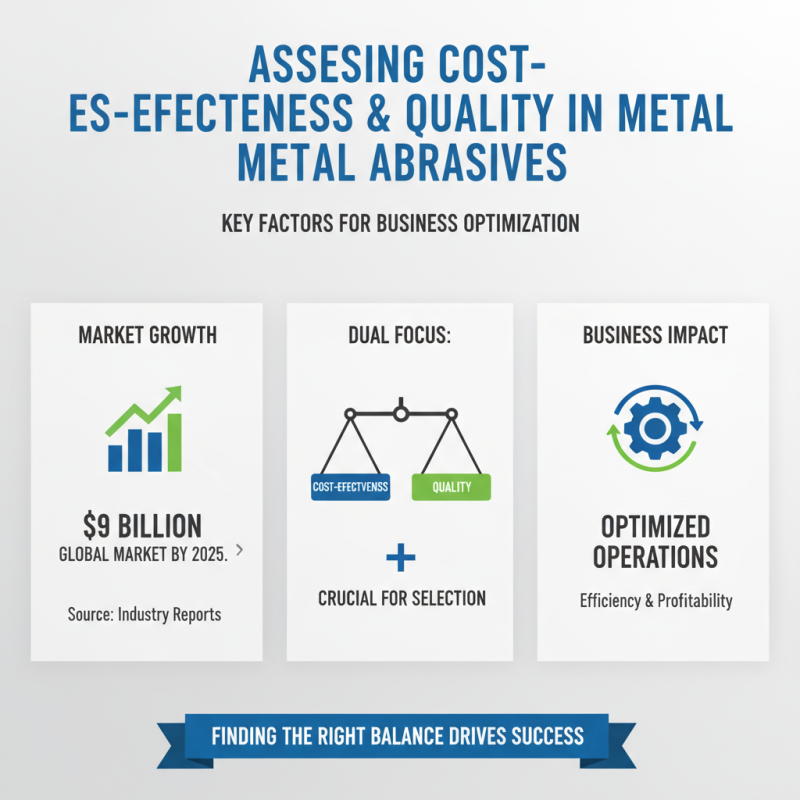
When choosing metal abrasives, assessing cost-effectiveness and quality is crucial. The global metal abrasives market is projected to reach $9 billion by 2025, according to industry reports. This growth underlines the increasing demand for efficient abrasives in various industries. The right balance between cost and quality can significantly affect your business operations.
Consider the materials' performance characteristics. For instance, aluminum oxide abrasives offer high durability but may come at a higher price. A report by Research and Markets reveals that while they constitute a significant investment, their lifespan can exceed that of cheaper options, making them more cost-effective in the long run. Conversely, using lower-quality abrasives may lead to frequent replacements, increasing total costs.
Looking into user feedback can provide insights into reliability. Some products may not perform as expected, leaving users disappointed. Understanding these nuances can help avoid common pitfalls. It is essential to analyze the abrasive's application within your processes. Not all abrasives are created equal; the right choice can enhance productivity, while the wrong one can hinder progress.
Tips for Proper Handling and Usage of Metal Abrasives
When working with metal abrasives, safety must come first. Always wear appropriate personal protective equipment, like gloves and goggles. This reduces the risk of injury from metal shards and dust. It’s essential to maintain a clean workspace. Dust buildup can be a fire hazard. Regularly cleaning the area not only ensures safety but enhances efficiency.
Proper handling of metal abrasives is crucial for achieving the best results. Store abrasives in a dry and stable environment to maintain their effectiveness. They can degrade or become compromised if exposed to moisture. Always check the condition of abrasives before use. Damaged materials can lead to unsatisfactory results and potential accidents.
Usage techniques can significantly impact performance. Apply even pressure while operating the tool. Uneven pressure can lead to uneven wear or damage. Also, avoid overworking the surface. This can cause heat buildup, resulting in warping or fatigue. Remember, mastering the use of metal abrasives takes time and practice. Reflecting on your techniques can lead to better outcomes.