Best Floor Polishing Pad for a Shine That Lasts?
When it comes to achieving a lasting shine on your floors, the choice of a Floor Polishing Pad is critical. Renowned expert in floor care products, Thomas Green, emphasizes, "The right pad can make all the difference in floor maintenance." A high-quality polishing pad can enhance both the look and longevity of your floors, creating a polished finish that stands the test of time.
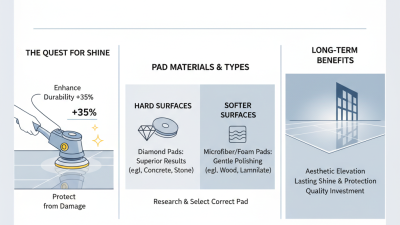
Selecting the best Floor Polishing Pad requires consideration of various factors. Different materials and designs are tailored for specific flooring types. For instance, a soft pad may work wonders on hardwood, while a more abrasive option may be necessary for stone surfaces. Incorrect choices can lead to damage or lackluster results, highlighting the importance of informed decisions.
Moreover, the need for regular maintenance and periodic replacements of pads might seem tedious, yet it is essential. Over time, even the best pads wear out, losing their effectiveness. Consistent evaluation of the pad's condition ensures that you preserve your floors' appeal and health. Ultimately, investing time in choosing the right Floor Polishing Pad pays dividends in the beauty and durability of your flooring.
Understanding Floor Polishing Pads: Types and Materials
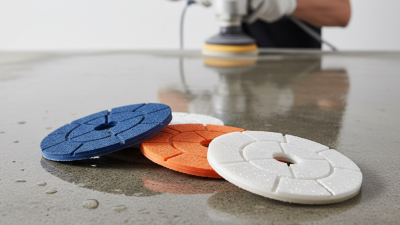
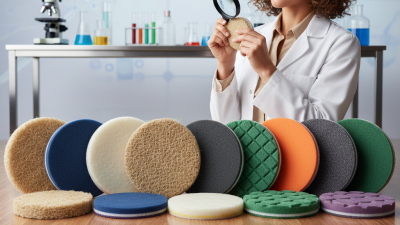
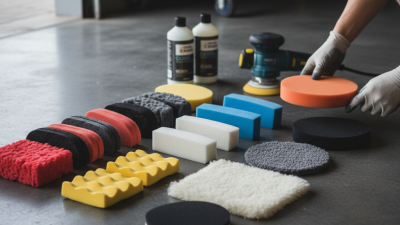
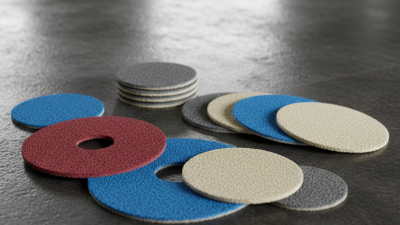
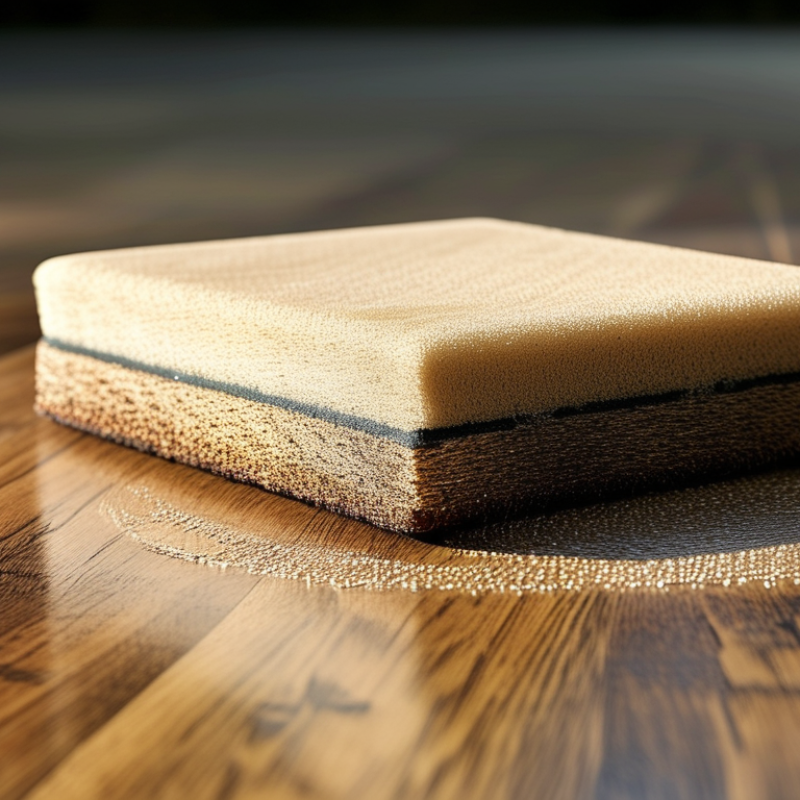
Choosing the right floor polishing pad can significantly impact the shine and durability of your floors. Various types of pads are available, each suited to different surfaces. Generally, pads are made from materials such as foam, felt, or microfiber.
[Image: Foam Pad]
Foam pads are excellent for polishing wood, while felt pads work well on concrete and stone. Microfiber pads offer versatility, suitable for both hardwood and laminate.
Understanding the composition of these pads is vital. Foam pads are typically softer, providing a gentle polish. In contrast, felt pads are denser and can tackle tougher grime. Microfiber pads blend soft and durable fibers, making them effective for multiple uses. Different grit levels also play a role in the outcome; finer grit pads create a high shine, while coarser grits help with heavy cleaning.
Despite the clear benefits, selecting the right pad may feel overwhelming. Ill-matched materials could lead to scratches or uneven finishes. It’s essential to test a small area first. Observing how each pad performs will guide you in making informed choices. The right pad can elevate your cleaning routine, making it both effective and rewarding.
Choosing the Right Floor Polishing Pad for Your Floor Type
Choosing the right floor polishing pad is essential for maintaining a beautiful shine on your floors. Different floor types require specific pads for optimal results. Hardwoods, tiles, and laminate all have unique needs. Selecting the wrong pad can lead to scratches, dullness, or even damage.
For hardwood floors, soft pads work best. They protect the wood surface while enhancing its natural gloss. On the other hand, tiles may benefit from medium pads. These can clean effectively without causing wear. Laminate requires a gentler approach again. The key is to make sure the pad is compatible to avoid potential harm.
It's important to consider wear and tear on your pads too. A pad that wears out quickly may not give you the shine you desire. Look for pads that can withstand regular use. The polish and finish may also vary depending on the product used with the pad. Trial and error in finding the right combination is often necessary. Adjusting your choice based on results can refine your cleaning process.
Best Floor Polishing Pad for a Shine That Lasts
| Floor Type |
Pad Material |
Recommended Grit Level |
Shine Longevity |
Suitability |
| Hardwood |
Synthetic Felt |
Fine (2000-3000) |
Up to 6 months |
Best for regular use |
| Laminate |
Microfiber |
Medium (1000-1500) |
Up to 4 months |
Ideal for gentle polishing |
| Vinyl |
Buffing Pad |
Aggressive (400-800) |
1-3 months |
Good for deep cleaning |
| Tile |
Diamond Pad |
Fine (1500-3000) |
Up to 12 months |
Suitable for high-gloss finish |
| Concrete |
Resin Pad |
Coarse (30-100) |
3-6 months |
Effective for maintenance |
Key Features to Look for in Quality Polishing Pads
When choosing a floor polishing pad, key features make all the difference. Material type is crucial. Look for pads made from high-quality fibers. They enhance durability and performance. A softer pad can provide a gentle shine without scratching surfaces. Harder pads, on the other hand, offer aggressive cleaning for tougher stains.
Consider the thickness as well. Thicker pads deliver a more substantial cleaning action but may be harder to maneuver. Lightweight pads can be easier to handle but might lack durability. It's essential to find a balance that fits your needs. Compatibility with your floor type is another aspect not to overlook. Different surfaces require different pads for optimal results.
Tips: Always test a new pad on a hidden area. This helps avoid damage to visible parts. Regularly inspect your pads for wear and tear. Replacing worn pads ensures better results. Cleaning pads after each use extends their lifespan, so don’t skip this step. Taking these actions helps maintain your floors in excellent condition while maximizing your pad investment.
Step-by-Step Guide to Using Floor Polishing Pads
Using floor polishing pads effectively can transform dull floors into sparkling surfaces. The key lies in understanding the right technique and pad choice. According to the National Association of Floor Covering Inspectors, improperly maintained floors can lose up to 70% of their original shine within a year. Therefore, proper polishing is essential.
Start with a clean surface. Dirt and debris can scratch the floor during polishing. Use a microfiber cloth for initial cleaning. Afterward, choose the right pad. Soft pads are good for gloss finishes, while aggressive pads suit more textured surfaces. Adjust the pad rotation speed as needed; lower speeds often yield a more controlled shine.
Pay attention to pressure during polishing. Too much pressure can lead to uneven results or floor damage. Most cleaning professionals recommend moderate pressure for at least 6-8 passes on each area. Regular maintenance is also crucial. Industry experts suggest polishing every three to six months, depending on foot traffic levels. Neglecting this routine can increase your workload in the long run and affect longevity.
Tips for Maintaining a Long-Lasting Shine on Your Floors
Maintaining a long-lasting shine on floors requires regular care and the right techniques. Studies show that floors endure significant wear; nearly 75% of floor damage occurs through high foot traffic. To combat this, regular polishing is essential. Polishing pads play a critical role in floor care. Selecting the right type can prolong shine significantly. For example, a pad designed specifically for your floor type can enhance the finishing.
Daily cleaning is vital. Dust and dirt can dull your floors quickly. A simple microfibre mop can capture dirt effectively. In fact, a study revealed that regular dust mopping reduced floor scratches by 30%. Furthermore, consider a maintenance schedule to polish floors every 4-6 weeks to sustain their luster. Consistency helps avoid the need for more aggressive treatments later.
Humidity and temperature also impact shine longevity. Ideal indoor conditions vary from 40% to 60% relative humidity. When humidity is too low, the floor can dry out. Surfaces may develop micro-scratches. Regularly monitor your environment to prevent these issues. Reflecting on these factors can improve your floor care routine significantly.
Floor Polishing Pad Effectiveness
This bar chart illustrates the effectiveness ratings of various floor polishing pad features, including cleaning capability, shine quality, durability, cost-effectiveness, and ease of use. Each feature is rated on a scale of 1 to 10, providing insights for maintaining a long-lasting shine on your floors.