How to Choose the Best Polishing Pads for Your Needs?
Choosing the right polishing pads can significantly impact your detailing results. Polishing pads come in various materials and thicknesses, each serving a specific purpose. Understanding your needs is essential for achieving the best finish on your surfaces.
When selecting polishing pads, consider the type of surface you will be working on. For instance, softer pads are ideal for delicate finishes, while firmer pads suit tougher materials. The choice also depends on the product you intend to use. Certain compounds require specific pads for optimal results.
However, not every pad will meet your expectations. It can be frustrating to realize that a specific polishing pad does not work well for your project. Take the time to test different options. Learning from your experiences will ultimately guide you in selecting the best polishing pads for your unique needs.
Understanding Different Types of Polishing Pads Available on the Market
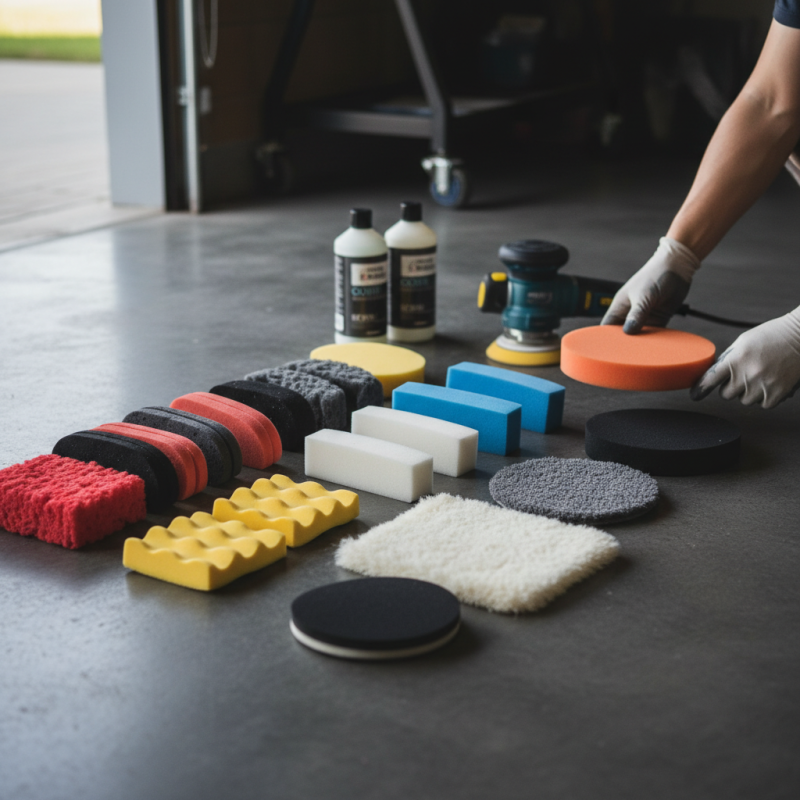
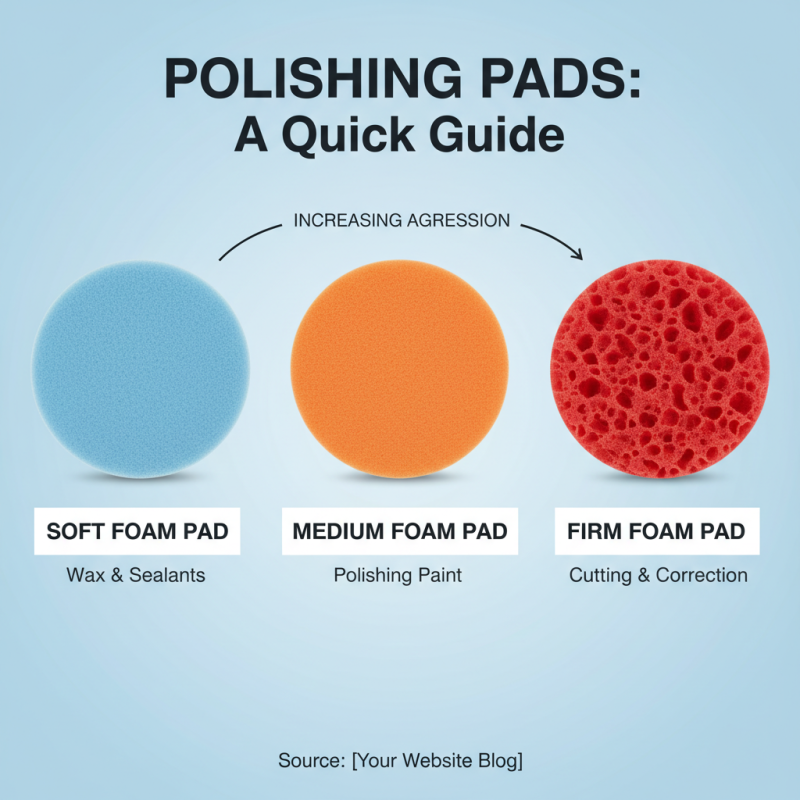
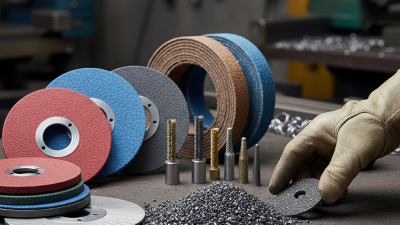
When selecting polishing pads, it's essential to understand the types available. Foam pads come in various densities and textures. Soft foam pads are ideal for applying wax and sealants. Medium pads work well for polishing paint. Firm pads are perfect for cutting and heavy correction.
Wool pads are another option. They are great for aggressive cutting and are often used for more severe imperfections. However, they can produce more swirl marks, requiring additional polishing. Microfiber pads offer a blend of the two, providing good cutting power while being less abrasive than wool. Choosing the right material significantly impacts the final finish.
The size of the pad matters too. Larger pads cover more area, leading to quicker results. Smaller pads provide more control, especially in tight spots. Consider your project’s specifics. Assessing your needs helps ensure you select the appropriate pad. Be mindful of how each type interacts with your polishing machine. Not all pads work well with every buffer. Take time to experiment and reflect on your choices. Trial and error will lead to better results in the long run.
Assessing Your Specific Polishing Needs and Surface Types
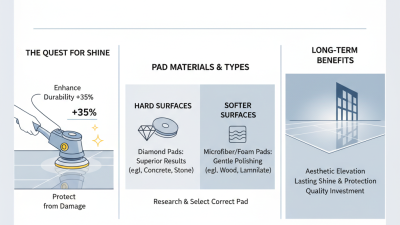
When selecting polishing pads, it’s crucial to assess your specific polishing needs and the surfaces you will work on. Different materials require varying levels of abrasiveness and softness. For example, a soft pad works well on delicate surfaces, minimizing the risk of scratches. Meanwhile, harder pads are necessary for tougher materials that require intensive polishing. Finding the right balance can be challenging.
Consider the type of surface you are dealing with. A concrete surface may need a more aggressive pad, while a wooden surface requires a gentle touch. Take time to experiment with different pads to see how they perform. Not every pad will yield perfect results. Observing how they impact your surfaces can provide valuable insights. Remember that trial and error is part of the process.
Finally, don’t overlook the importance of technique. The same pad can produce varied results based on how you use it. Practice makes perfect in polishing. Each attempt teaches you something new. Stay open to adjusting your approach, whether it's the pressure applied or the speed of the tool. Embrace the learning journey as an integral part of achieving optimal polishing results.
Comparing Material Compositions of Polishing Pads
When selecting polishing pads, understanding material composition is crucial. Different materials offer varying levels of Abrasiveness and durability. For instance, foam pads usually provide a gentler touch, ideal for delicate surfaces. On the other hand, wool pads can effectively cut through heavy oxidation and imperfections.
According to industry reports, pads made from synthetic materials often deliver consistent results. A study showed that foam pads improved finish quality by approximately 25% compared to natural fibers. Cotton pads, while traditional, can sometimes leave lint or residue. This inconsistency may lead to less desirable finishes.
It’s essential to consider the specific needs of each project. Some pads might excel in initial cut but may tire quickly under pressure. Others could provide a smoother finish but may not be robust enough for heavy-duty applications. Testing different pads is often necessary to find the right balance between efficiency and surface quality.
Evaluating Pad Thickness and Density for Effectiveness
When selecting a polishing pad, thickness and density play critical roles in the effectiveness of your polishing efforts. A thicker pad provides more cushioning, allowing for better control over the pressure applied. This can be beneficial when working with delicate surfaces such as paint. However, it can sometimes lead to less precise results if you require more detailed polishing work.
Density is equally important. Denser pads usually last longer and resist breakdown during heavy-use scenarios. They offer better heat resistance, which is crucial for maintaining the integrity of the surface being polished. However, extremely dense pads might create a harsh feel, making the polishing experience less smooth. Striking a balance between thickness and density according to your specific needs is essential.
Tips: Test different pad types on scrap materials. This approach allows you to understand how thickness and density affect your polishing method. Adjust the pad choice based on the results. Remember, experience matters. A pad that worked for one task may not suit another. Pay attention to feedback from the surface during polishing; it will guide your future choices.
Polishing Pads Thickness and Density Comparison
Considering Compatibility with Buffers and Polishing Machines
Choosing the right polishing pads for your buffer or polishing machine can dramatically affect your results. Compatibility with your tools is crucial. Not all pads work well with all machines. Consider the machine's speed and power when selecting your pads. Mismatched combinations can lead to poor performance or even damage.
The material of the pad also plays a role. Foam, microfiber, or wool each delivers different results. For example, softer foam pads are excellent for gentle polishing, while wool pads can tackle more aggressive tasks. It's essential to know your machine's specifications. Many manufacturers provide guidelines for compatible pads. This information allows you to make informed choices that enhance your polishing experience.
Reflecting on your previous polishing attempts is vital. If you faced issues like uneven surfaces or excessive heat, it may stem from using the wrong pad. Take note of what works and what doesn’t. Tweaking your pad selection over time improves your technique. Always test pads on small areas first. This careful approach minimizes risks and ensures satisfactory finishes.
How to Choose the Best Polishing Pads for Your Needs? - Considering Compatibility with Buffers and Polishing Machines
| Pad Type |
Material |
Application |
Compatibility |
Typical Use Case |
| Foam Pad |
Polyurethane |
Polishing / Finishing |
Rotary and DA Polishers |
Car Detailing |
| Wool Pad |
Natural Wool |
Cutting / Heavy Defect Removal |
Rotary Polishers |
Restoration of Old Paint |
| Microfiber Pad |
Microfiber |
Medium Cutting / Polishing |
DA Polishers |
Final Gloss Enhancement |
| Gel Pad |
Special Gel Compound |
Scratch Removal |
Rotary and DA Polishers |
Advanced Paint Correction |