Top 10 Concrete Polishing Resin Pads for Superior Finish?
Concrete Polishing Resin Pads are essential tools for achieving exceptional finishes on concrete surfaces. Selecting the right pads can significantly affect the overall quality of your work. The market offers a wide variety of options, often making it challenging to determine which are the best.
When looking for the top ten options, consider factors like durability, grit level, and compatibility with polishing machines. High-quality resin pads provide uniform polishing and can enhance the sheen of the concrete. However, not all pads are alike. Some may wear out quickly, leading to uneven finishes and extra costs.
This guide will delve into the best concrete polishing resin pads available today, highlighting their unique features and potential shortcomings. It's crucial to reflect on the performance of each option. Not every pad will suit every project, and understanding these variances ensures more successful outcomes. Let's explore the best choices to elevate your concrete polishing game.
Types of Concrete Polishing Resin Pads Available in the Market
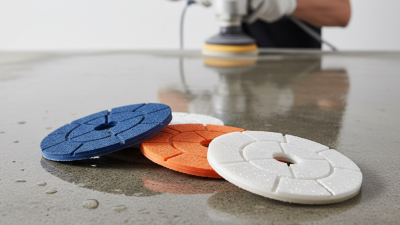
Concrete polishing resin pads come in various types, each designed for specific applications and finishes. Understanding these options is crucial for achieving superior results in concrete polishing projects. According to a recent industry report by Research and Markets, the global concrete polishing market is expected to grow significantly, driven by the demand for high-quality finishes.
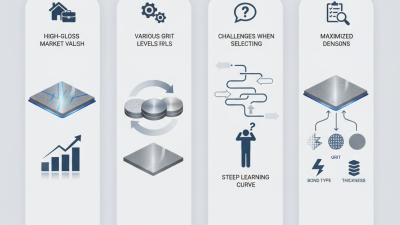
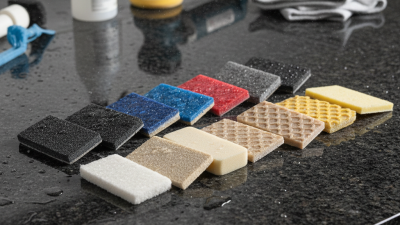
Resin pads are mainly categorized by their bond types: soft, medium, and hard. Soft pads are ideal for aggressive grinding. They are often used on soft concrete or for initial grinding phases. Medium pads serve a versatile purpose. They balance aggression and finish quality, suitable for most concrete types. Hard pads typically produce a high gloss finish and are suitable for denser concrete. However, users must be careful in transition between pad types to avoid surface imperfections.
Additionally, variations in grit size impact the polish quality. Lower grit sizes (e.g., 30 or 50) are for coarse grinding. Higher grit sizes (e.g., 800 or 3000) polish the surface for a shiny effect. Nevertheless, using excessively fine pads on uneven surfaces can lead to issues, such as scratching or uneven finishes. Knowing when to switch between types and grits can be tricky, but it's essential for the best outcome.
Key Features to Consider When Choosing Resin Pads for Polishing
When selecting resin pads for concrete polishing, key features play a pivotal role. The hardness of the resin significantly affects the pad's performance. A harder resin provides durability for heavier grinding. However, it may not yield the best finish on softer concrete. Conversely, softer resins excel at achieving a glossy surface but wear down rapidly. Understanding this balance is crucial.
Another critical aspect is the grit size. Reports indicate that finer grits (1500 and above) are essential for achieving a superior finish. However, starting with a coarser grit (200-400) may be necessary for initial grinding. A common pitfall is skipping grit sizes, which can lead to uneven surfaces. Research shows an effective grit progression will enhance the overall polish quality.
Finally, consider the pad's design and its ability to dissipate heat. Pad designs that enhance airflow can prevent overheating during prolonged use. Heat can cause the resin to deform, which undermines the polishing process. Observations reveal that regular monitoring of pad wear during use can extend their lifespan. A keen awareness of these factors can lead to better polishing results and increased efficiency.
Top 10 Concrete Polishing Resin Pads for Superior Finish
| Pad Type |
Grit Level |
Diameter (inches) |
Material |
Applications |
Special Features |
| Resin Bond Pad |
50 |
4 |
Resin |
Floor Polishing |
Durable, High Shine |
| Diamond Pad |
100 |
5 |
Diamond |
Concrete Refinement |
Long Lifespan, Fast Cutting |
| Hybrid Pad |
150 |
7 |
Hybrid |
Polishing and Grinding |
Versatile, Good Finish |
| Ceramic Pad |
200 |
4 |
Ceramic |
Hard Surface Polishing |
Excellent Finish, High Performance |
| Silicon Carbide Pad |
100 |
5 |
Silicon Carbide |
Surface Preparation |
Effective, Cost-Effective |
| Turbo Pad |
300 |
7 |
Diamond |
Heavy Grinding |
Fast, Aggressive Action |
| Velcro Pad |
50 |
4 |
Resin |
Versatile Usage |
Easy Attachment, Multi-Use |
| Polishing Pad |
400 |
5 |
Microfiber |
Final Touch Polishing |
Soft Finish, Easy to Use |
| Floor Pad |
800 |
6 |
Nylon |
Maintenance Polishing |
Durable, Resistant to Wear |
| Eco Pad |
1000 |
4 |
Recycled Material |
Green Polishing |
Environmentally Friendly, Efficient |
Top 10 Recommended Resin Pads for Achieving a Superior Finish
When it comes to achieving a superior finish in concrete polishing, the choice of resin pads plays a critical role. These pads are engineered to enhance the surface sheen of concrete, providing durability and resistance against wear. Industry reports indicate that proper polishing techniques can increase the longevity of the flooring by up to 60%. This ensures that businesses can save on maintenance costs in the long run.
Resin pads are designed with specific grit levels tailored for different stages of the polishing process. For instance, a lower grit might be utilized for heavy grinding, while higher grits refine the shine. Yet, many users struggle with the transition between grit levels. Achieving a flawless surface often requires skill and experience. A study by the Concrete Polishing Association highlights that improper pad selection can lead to a subpar finish, which is easily noticeable.
Choosing the right resin pad is crucial but not always straightforward. Some pads may wear out quicker than expected, affecting overall performance. According to a survey of contractors, only 40% felt confident in their pad selection. This calls for careful consideration and perhaps seeking professional advice. Understanding the specific needs of a project can significantly enhance the final results. In concrete polishing, the right tools can make a noticeable difference.
Installation and Maintenance Tips for Concrete Polishing Resin Pads
When working with concrete polishing resin pads, installation and maintenance are crucial for achieving a superior finish. Proper setup starts with ensuring the floor is clean and free from debris. Use a vacuum to remove any dust before applying the resin pads. Fit the pads securely to your polishing machine. Make sure they are seated evenly to prevent uneven wear during the polishing process. This initial attention to detail can save you time and resources later.
Maintenance of your resin pads does not end after installation. After each use, inspect the pads for wear. If you notice significant damage or uneven surfaces, consider replacing them. Regularly cleaning the pads can also enhance their performance. A simple wash with water and mild detergent will help remove residues. Avoid using abrasive materials, as they can harm the pad's surface. Be mindful that neglecting these steps can lead to inconsistent results. Polishing concrete requires commitment and care, and it’s important to reflect on your methods continuously for better outcomes.
Comparing Cost and Performance of Various Resin Pads Options
Polishing concrete floors requires the right tools for an optimal finish. Resin pads vary significantly in cost and performance, impacting the overall quality of the surface. According to industry reports, using high-quality resin pads can yield a gloss level exceeding 90, while lower-grade options may fall below 70.
In terms of pricing, resin pads can range from $1 to $5 per pad. Higher-priced options often provide better durability and cutting performance. However, a more expensive pad isn’t always the best choice. Some users report that less costly pads perform adequately for light-duty work. A study from the Concrete Polishing Association found that 30% of contractors preferred mid-range options despite their higher initial cost.
Choosing resin pads also involves considering the desired finish. Some pads work well for a high-gloss shine, while others are suitable for a more textured look. Users sometimes overlook how the specific application impacts pad selection. Even experienced contractors can make mistakes by equating price with quality. Understanding the proper use of each pad type can lead to better outcomes.