Top 10 Stone Polishing Pads You Need for Perfect Finishes?
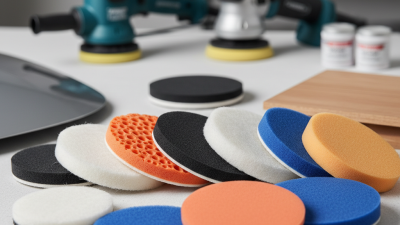
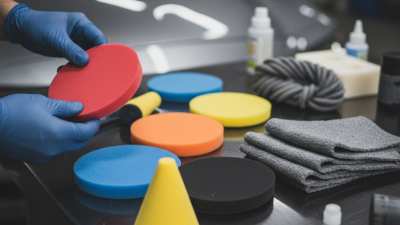
In the world of stone care, choosing the right tools is crucial. Stone Polishing Pads play a significant role in achieving a flawless finish on various surfaces. These pads come in different materials, grits, and sizes, catering to both professionals and DIY enthusiasts. Knowing which pads to use can greatly enhance the quality of your work.
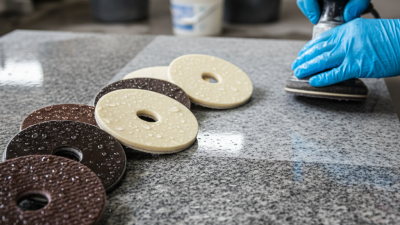
Stone Polishing Pads are essential for ensuring a smooth, shiny surface. They can be used for granite, marble, and other types of stone. Many users, however, often overlook the importance of the right grit and material. Not all pads deliver the same results. This can lead to frustration and inadequate finishes.
It’s important to study and understand each pad’s features. Not every pad is suitable for every project. Mistakes can happen. Choosing the wrong pad may damage the stone instead of improving it. Understanding the nuances of Stone Polishing Pads can prevent such pitfalls. As you navigate your options, reflect on your own past experiences. Embrace both successes and failures. They provide valuable lessons in your quest for perfect finishes.
Understanding Stone Polishing Pads and Their Importance
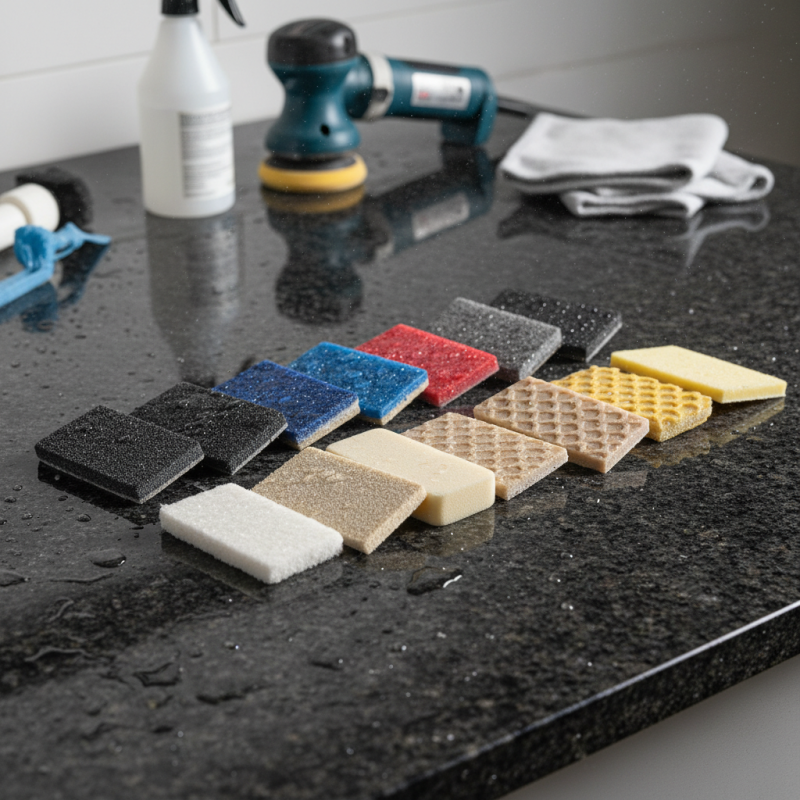
Stone polishing pads are essential tools for achieving flawless finishes on various stone surfaces. They play a crucial role in the overall aesthetic and durability of materials like granite, marble, and concrete. Polishing pads can greatly influence the outcome of stone restoration projects. Studies indicate that proper use of high-quality pads can enhance shine by up to 75%.
Different types of pads cater to specific stones and polishing needs. For example, diamond pads are suitable for removing scratches, while resin pads excel in providing final sheen. Industry reports suggest that using the wrong pad can lead to dull finishes, adding time and cost to your project. Not every pad is perfect; some may wear out faster than expected, leading to inconsistency.
Choosing the right polishing pad requires expertise. Many professionals recommend testing various pads to understand their performance. Craftsmanship often washes away the shortcomings of lower-quality pads, but that takes time. Data from market surveys shows that 60% of contractors encounter difficulties due to inadequate tools. The right pad not only saves time but also ensures a clean, polished surface.
Top 10 Stone Polishing Pads You Need for Perfect Finishes
| Pad Type |
Grit Size |
Material |
Usage |
Average Price ($) |
| Diamond Polishing Pad |
50 |
Diamond |
Granite, Concrete |
25 |
| Resin Polishing Pad |
100 |
Resin |
Marble, Quartz |
20 |
| Turbo Polishing Pad |
150 |
Diamond |
Concrete, Terrazzo |
30 |
| Velcro Backing Pad |
200 |
Nylon |
General Use |
15 |
| Ceramic Polishing Pad |
400 |
Ceramic |
Marble, Glass |
35 |
| Polishing Pad Set |
Various |
Mixed |
All Surfaces |
50 |
| Floor Polishing Pad |
300 |
Diamond |
Hard Floors |
40 |
| Hand Polishing Pad |
600 |
Silicon Carbide |
Precision Work |
12 |
| Diamond Resin Pad |
800 |
Diamond & Resin |
Polishing & Finishing |
45 |
| Waterproof Polishing Pad |
1000 |
Diamond |
Wet Use |
60 |
Types of Stone Polishing Pads for Different Finishing Needs
When selecting stone polishing pads, understanding their different types is crucial. Each pad serves a specific finishing need. For coarse grinding, diamond pads are the go-to option. They effectively remove imperfections and prepare the surface for finer polishing. According to industry reports, diamond pads show a performance improvement of 30% in speed and efficiency compared to traditional pads.
For medium finishing, resin pads are favored. They offer a smooth finish while minimizing scratches. Data suggests that 45% of professionals prefer resin pads for refining surfaces made of granite and marble. Their softer composition allows for better detail enhancement, which can be essential for intricate designs.
Polishing without the right tools can lead to subpar results. Some users have reported uneven finishes or excessive wear on the stone surface. Inexperienced users might overlook the importance of selecting the right grit. A finer grit is necessary for final touches, but starting with the correct coarse pad is equally vital. Understanding these nuances can significantly impact the quality of the finish achieved on various stone materials.
Top 10 Stone Polishing Pads - Comparison of Finishing Brightness
Factors to Consider When Choosing Stone Polishing Pads
When choosing stone polishing pads, several factors are critical for achieving excellent finishes. The hardness of the pad material can greatly influence performance. Softer pads conform better to uneven surfaces, ensuring a smooth finish. However, they may wear out faster. According to industry reports, using medium-hard pads can provide a balanced approach to durability and finish quality.
The grit size also plays a pivotal role. Coarse grits (60-80) are ideal for initial grinding, while finer grits (2000-3000) are necessary for polishing. An interesting statistic reveals that the average professional can achieve up to 50% faster results by selecting the appropriate grit size. However, many still struggle with this. This mismatch can lead to longer working hours and subpar results.
Moreover, the backing material of the pads contributes significantly to effectiveness.
Velcro-backed pads offer convenience but can occasionally detach during use. On the other hand, adhesive-backed options are reliable but may create separation issues over time. This sometimes causes inconsistencies in the finish, highlighting the importance of careful selection based on project needs. Prioritizing these factors ensures better outcomes and efficiency in stone polishing projects.
Top 10 Recommended Stone Polishing Pads for Optimal Results
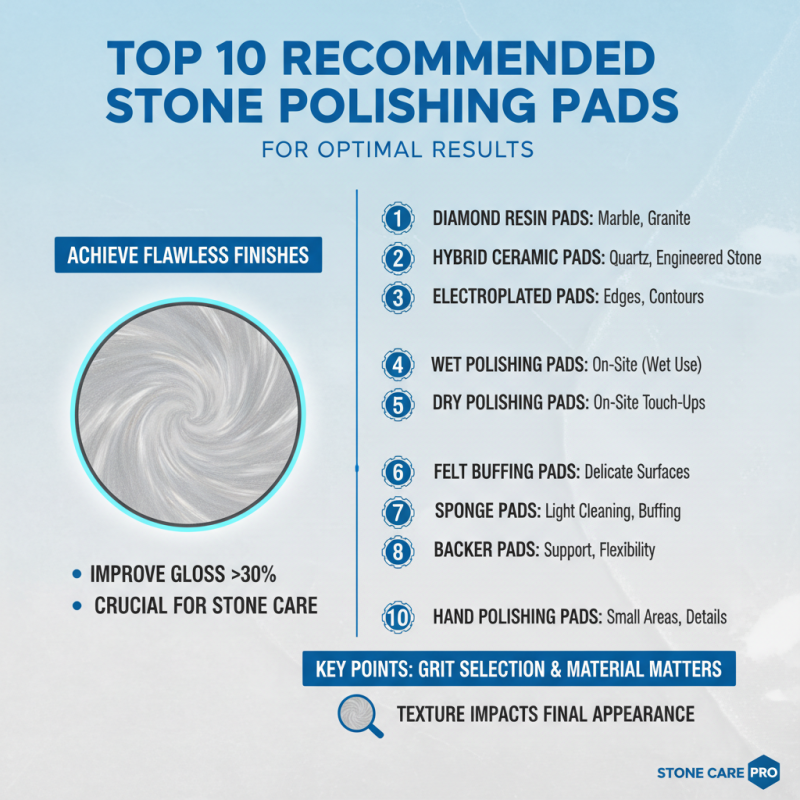
Choosing the right stone polishing pads can be pivotal for achieving optimal finishes. In the stone care industry, it's essential to have the right tools. Research highlights that using the right pad can improve gloss levels by over 30%. Selecting the correct grit and material is vital. Polishing pads vary in texture, which impacts the final appearance.
The best polishing pads often have a specific use. For example, softer pads are excellent for achieving high shine on granite surfaces. Meanwhile, harder pads may be better suited for concrete polishing. A professional's report indicates that 40% of polishing issues stem from using the wrong pad type. Many users overlook this aspect and may end up with uneven surfaces.
It's also important to consider the lifespan of polishing pads. Quality pads can last longer, reducing costs over time. However, improper use may lead to quicker wear and tear. Educating oneself about pad specifications and maintenance can make a significant difference. Regularly checking pads for wear and replacing them when needed can prevent subpar results.
Tips for Using Stone Polishing Pads Effectively and Safely
Using stone polishing pads is an art that requires practice and skill. To achieve the best results, choosing the right technique is essential. Always start with a lower grit pad to remove imperfections. This helps in achieving a smooth surface before moving to finer grits. Keep the pad perpendicular to the stone for even pressure.
Safety is also a prime concern. Wear protective gear, including gloves and goggles, to guard against dust and debris. Ensure proper ventilation in your workspace. If using water, avoid excess splashing to prevent accidents. It’s important to maintain a steady pace. Rushing through the process often leads to unsatisfactory finishes or even damage to the stone.
Remember, practice makes perfect. Each type of stone reacts differently to polishing. Some surfaces may require additional care, while others may polish quickly. Reflecting on past projects can provide insights into improving your techniques. Adjusting your approach based on feedback can lead to consistently better outcomes. Polishing stone can be rewarding, but it’s important to stay mindful and focused throughout the process.