Top 10 Floor Polishing Pads for Global Buyers to Consider?
In the competitive world of floor maintenance, choosing the right Floor Polishing Pad is crucial. Renowned expert Dr. Laura Sinclair, a leading authority in surface care technology, emphasizes, “A high-quality floor polishing pad can transform the appearance of your floors.” This insight underscores the importance of selecting pads that not only shine but also protect surfaces effectively.
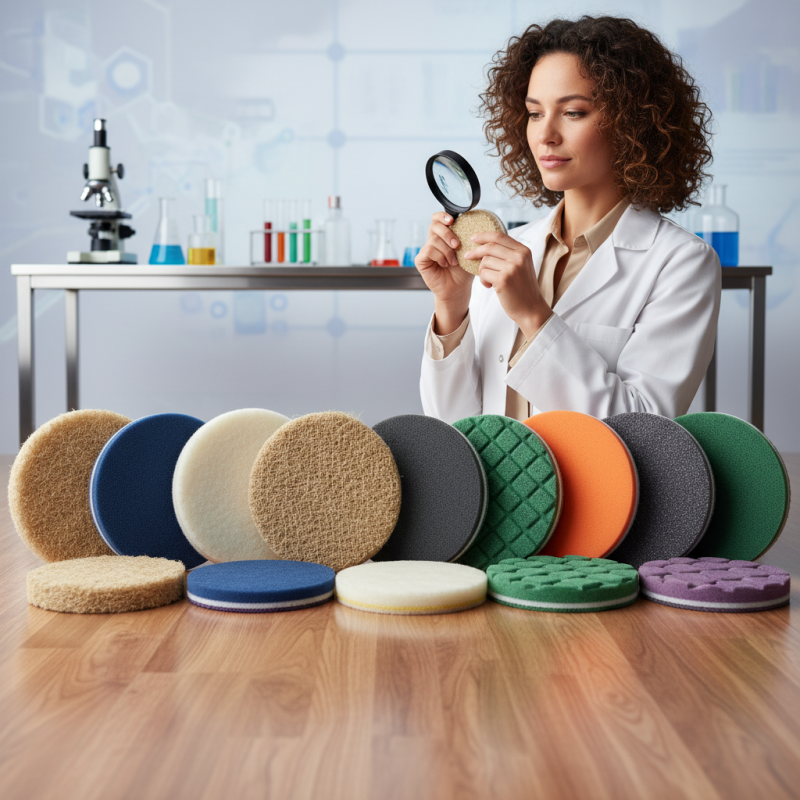
With numerous options available, buyers often feel overwhelmed. Not all polishing pads are created equal. Factors such as the material, grit, and intended use can greatly affect performance. Some may prefer natural fiber pads for their eco-friendliness, while others might opt for synthetic options for durability.
Choosing a Floor Polishing Pad is not just about immediate results. Long-term effectiveness and floor health are equally important. Users may overlook how the wrong pad can damage delicate surfaces. The goal is to find a balance between performance and safety. Consider this: even well-reviewed products can fail without the right application. Thus, informed decisions are pivotal for achieving lasting beauty and protection for floors.
Understanding Floor Polishing Pads: A Brief Overview
Floor polishing pads are crucial for maintaining the appearance and longevity of various flooring types. These pads come in different materials and grit levels, which cater to different flooring surfaces. A recent industry report indicated that the global floor polishing pads market is expected to grow at a CAGR of 5% over the next five years. This growth reflects the increasing investment in floor care, particularly in commercial spaces.
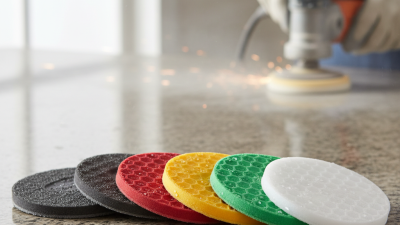
The materials used in floor polishing pads include diamonds, nylon, and wool. Each material offers unique benefits and drawbacks. For example, diamond pads are highly effective for polishing concrete and stone, providing a glossy finish. However, they are more expensive and might not be necessary for softer surfaces like wood. Understanding these differences is essential for making informed purchasing decisions. Many buyers tend to overlook the importance of selecting the right pad for their specific flooring needs, which can lead to suboptimal results.
Additionally, the abrasiveness of polishing pads is often a point of confusion. Some users believe that a higher grit number always means better results. However, this is not always the case. Over-polishing with an inappropriate pad can damage the flooring. It's vital to process the right balance of grit and material for effective polishing while preventing any harm to the surface. This reflective approach is key to achieving lasting quality in floor care.
Top 10 Floor Polishing Pads for Global Buyers to Consider
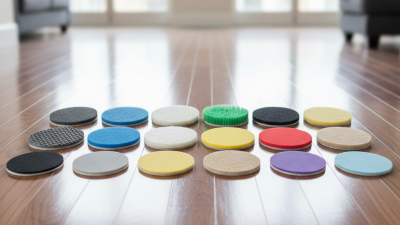
| Pad Type |
Material |
Grit Level |
Ideal Floor Types |
Usage |
| Red Pad |
Synthetic Fiber |
Medium |
Vinyl, Linoleum |
Scrubbing |
| White Pad |
Synthetic Fiber |
Fine |
Marble, Terrazzo |
Polishing |
| Black Pad |
Synthetic Fiber |
Coarse |
Concrete |
Heavy Duty Cleaning |
| Green Pad |
Synthetic Fiber |
Medium |
Wood, Linoleum |
Scrubbing & Buffing |
| Ceramic Pad |
Ceramic Composite |
Ultra Fine |
Polished Concrete |
High Gloss Finishing |
| Diamond Pad |
Synthetic Diamond |
Varied |
Granite, Marble |
Grinding & Polishing |
| Brown Pad |
Synthetic Fiber |
Coarse |
Concrete |
Heavy Duty Use |
| Blue Pad |
Synthetic Fiber |
Medium |
Vinyl, Wood |
Stripping & Cleaning |
| Polishing Pad |
Microfiber |
Fine |
All Surfaces |
Polishing |
Key Factors to Consider When Choosing Floor Polishing Pads
When selecting floor polishing pads, several key factors come into play. Material type is crucial. Some pads are made from synthetic fibers, while others use natural materials. Each type has its advantages and drawbacks. Synthetic pads may offer better durability, but natural pads can provide a more eco-friendly option. Understanding the properties of these materials helps in making an informed choice.
Another important consideration is pad grit. Grit levels affect the polishing process and the desired finish. Finer grits polish to a high sheen, while coarser grits are better for heavy restoration. Different floor surfaces may require different grit levels. Testing a small section before fully committing can prevent regret later.
Additionally, compatibility with flooring types is essential. Not all pads suit every surface. Some may damage softer materials like vinyl or carpet. Researching compatibility can save you from costly mistakes. Always prioritize pads that match your specific flooring needs to ensure durability and aesthetics.
Top 10 Floor Polishing Pads Performance Comparison
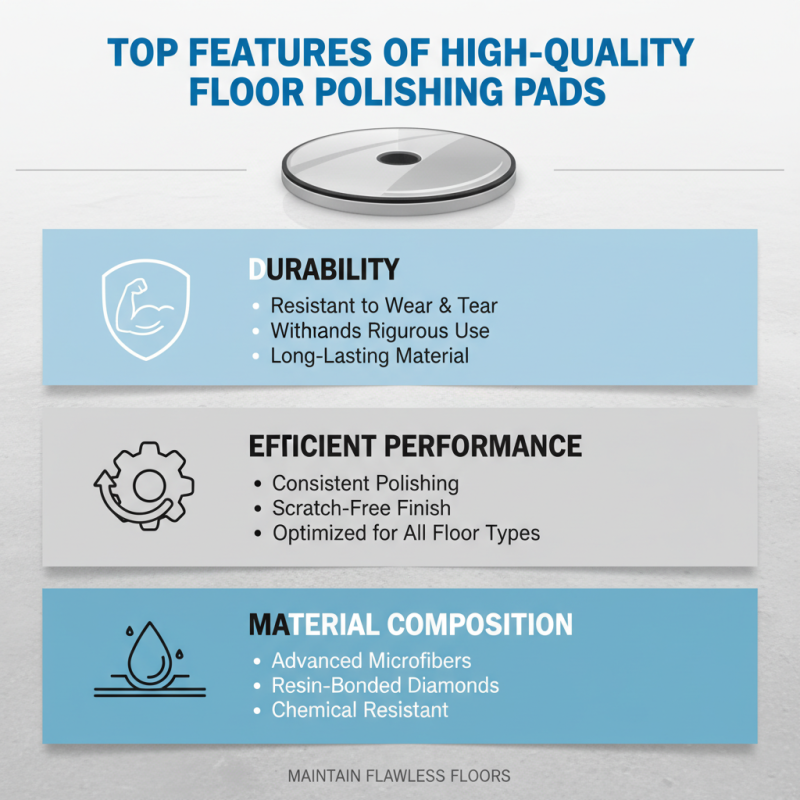
Top Features of High-Quality Floor Polishing Pads
When choosing high-quality floor polishing pads, several features stand out. Durability is crucial. A well-made pad can withstand rigorous use without breaking down quickly. Look for materials that resist wear and tear, ensuring longevity. This is essential for maintaining pristine floors in high-traffic areas.
Another key feature is grit size. The right grit impacts the finish of your floors. A finer grit offers a smoother finish, while a coarser option provides more aggressive abrasion. Understanding your floor type helps you select the suitable grit. Compatibility with various floor surfaces also matters. Some pads work well on hardwood, while others are designed for tile or concrete.
Lastly, ease of use cannot be overlooked. A good pad should be easy to attach and remove. Workers often use different pads for various tasks. Having versatile options simplifies workflow. However, not all pads are universal. This can lead to frustrations during cleaning sessions. It's important to evaluate multiple aspects before making a decision.
A Comprehensive List of the Top 10 Floor Polishing Pads Available
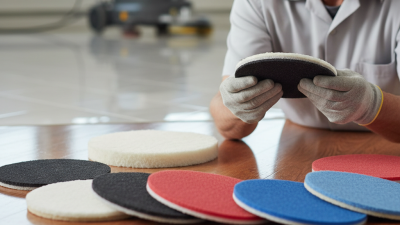
When considering the cleaning and maintenance of floors, selecting the right polishing pad is crucial. There are various types available, each designed for specific floor surfaces. Some pads excel at removing tough stains, while others are perfect for achieving a high-gloss finish. It is essential to understand the composition of these pads, as different materials can yield varying results.
Different pads offer unique textures and abrasiveness levels. For instance, some pads are soft, suitable for delicate surfaces. Others feature more aggressive materials, ideal for heavy-duty scrubbing. Testing a few options often reveals what works best in any given situation. Not every pad will perform as advertised. It may take time and experimentation to find the perfect match for your floors.
Maintenance requires careful consideration of your choice. Investing in quality pads may have an upfront cost, but they can save time and effort in the long run. However, the effectiveness of pads can diminish with heavy use. Regular assessment of their condition is important for optimal performance. It's a continuous learning process that demands attention to detail.
Tips for Maintaining and Caring for Your Floor Polishing Pads
Maintaining and caring for floor polishing pads is essential for optimal performance. Regular cleaning prevents dust and debris build-up. A study by the Floor Care Association noted that improper care can reduce pad effectiveness by up to 40%. Cleaning should happen after each use. Rinse pads thoroughly under warm water to remove residue. This simple step extends the life of your pads.
It’s also vital to store polishing pads correctly. Storing them in a damp or humid environment can lead to mold growth, which compromises their integrity. A survey conducted by the International Cleaning Corporation revealed that 30% of professionals fail to store pads properly. Inspect pads regularly for wear and tear. Frayed edges or a change in texture indicate it’s time for replacement.
Overusing pads might seem cost-effective but leads to poor results. Industry experts suggest replacing pads after 5-10 uses, depending on the application. Higher usage without care leads to decreased shine and increased cleaning time. Keep an eye on performance and adjust your usage accordingly. Reflecting on these practices will enhance longevity and efficiency.