China Top Sponge Pad Manufacturer for Global Buyers
China Top Sponge Pad Manufacturer for Global Buyers is not only a marketing phrase. It represents a supplier’s ability to deliver stable quality, clear communication, and practical manufacturing support. Global buyers often need pads for polishing, cleaning, sealing, cushioning, or equipment protection. Each use requires different foam density, pore structure, thickness, and surface performance. A suitable Sponge Pad must match the application, not merely look attractive in a sample photo.
Experienced manufacturers normally begin with application details. They review dimensions, working pressure, temperature, moisture, friction, and packaging requirements. Production may include material selection, lamination, die cutting, CNC shaping, adhesive application, and final inspection. Small details matter. Uneven edges can affect assembly. Inconsistent density can change product performance. Reliable suppliers should provide samples, dimensional records, material information, and relevant test reports. They should also communicate honestly when a requested specification needs adjustment.
No factory gets every decision right. That is worth admitting. A responsible manufacturer studies complaints, checks root causes, and improves future batches. Quality control should cover incoming materials, first-piece approval, in-process checks, and shipment inspection. Buyers may also request production photos or independent verification. Compliance with applicable safety, environmental, labeling, and import requirements remains essential. The strongest partnership is built through evidence, not promises. For global buyers, China offers broad manufacturing capability, but careful evaluation still matters. Ask precise questions. Test before scaling. Reliable results take both sides.
Sponge Pad Manufacturing in China: Industry Scope and Product Types
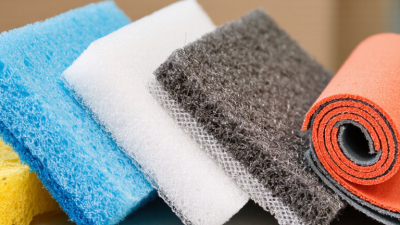
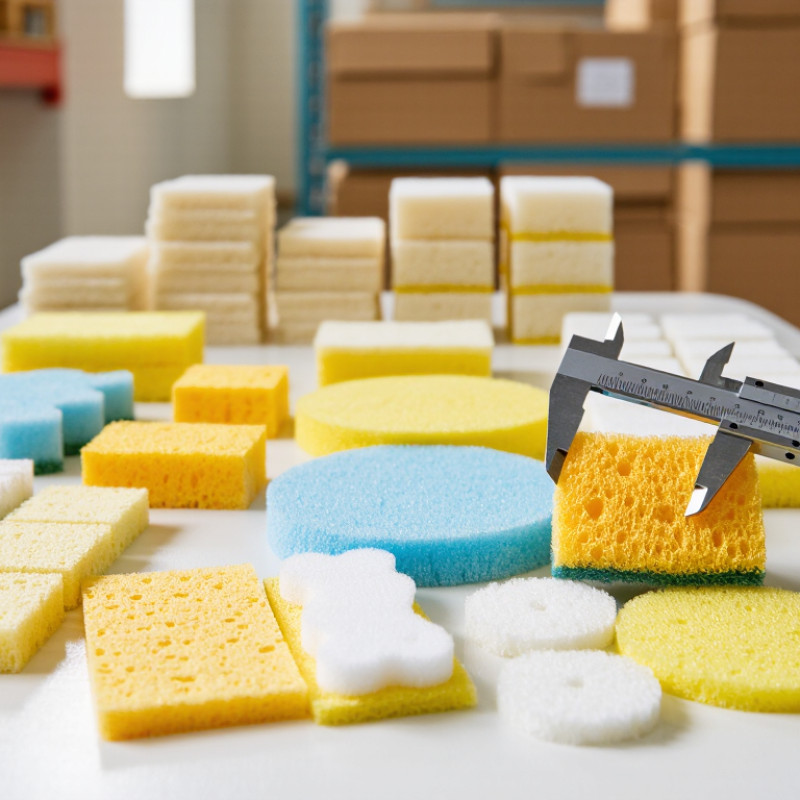
China’s sponge pad manufacturing industry serves cleaning, sealing, cushioning, polishing, filtration, and packaging applications. Manufacturers commonly produce polyurethane, EVA, silicone, neoprene, and melamine sponge pads. Each material offers different softness, rebound, temperature resistance, and liquid absorption.
Production may include foam block cutting, die cutting, laminating, adhesive backing, and custom shaping. Buyers can request round discs, rectangular sheets, strips, rolls, or molded parts. Experienced manufacturers usually check density, thickness, compression recovery, surface quality, and dimensional tolerance. These details matter. A pad that looks suitable may compress too quickly during repeated use. Testing should include heat, moisture, friction, and contact with the intended surface.
Tips:
Share drawings, foam density, hardness, size tolerance, and working conditions before sampling. Request a small trial batch and inspect cutting edges, odor, bonding strength, and packaging protection. Ask for material test records when consistency is important. Do not rely only on photographs or a low quotation. A practical trial can reveal weaknesses that specifications miss, although test results may still vary between production lots. Clear feedback helps the manufacturer adjust foam selection, cutting pressure, and packing methods.
How Chinese Sponge Pad Manufacturers Design and Produce Their Products
Chinese sponge pad manufacturers usually begin with the application, not the mold. They assess compression load, temperature, moisture, surface friction, and expected service life. Polyurethane, EVA, silicone, and cellulose sponges serve different performance needs. According to Grand View Research, the global polyurethane foam market was valued at approximately USD 50.8 billion in 2023, with continued growth expected through 2030. This demand encourages tighter material selection and more application-specific designs.
Design engineers convert these requirements into density, hardness, thickness, pore structure, and rebound targets. A prototype may be cut by hand before production tooling begins. That small step can reveal uncomfortable problems. A pad may feel soft but lose height after repeated compression. Manufacturers often test dimensional change, tensile strength, and compression behavior using methods aligned with ASTM D3574 or ISO 1798. However, laboratory results can mislead when real users expose pads to dust, uneven pressure, or temperature changes.
Production normally includes raw-material blending, foaming or molding, curing, trimming, lamination, and final inspection. Workers check thickness with gauges and examine edges under bright light. Automated cutting improves consistency, while manual inspection still catches surface defects. A 2024 industry analysis by MarketsandMarkets identifies rising demand for lightweight and flexible foam materials in protective and industrial applications. Yet high output is not automatically high quality. Batch records, sample retention, and supplier audits remain essential for global buyers. Mistakes still happen. Good factories document them, investigate causes, and adjust the next production run.
Typical Sponge Pad Materials Used in Manufacturing
Representative density values help manufacturers balance softness, durability, absorbency, and cleaning performance when designing sponge pads for global buyers.
The chart uses typical midpoint densities for common sponge and foam materials. Actual values vary according to formulation, porosity, compression, additives, and production requirements.
Key Quality Standards for Global Sponge Pad Buyers
China Top Sponge Pad Manufacturer for Global Buyers
Key Quality Standards for Global Sponge Pad Buyers
A dependable sponge pad starts with consistent material selection. Buyers should confirm foam type, density, hardness, and cell structure before approving production. Density affects support and durability. Hardness affects handling comfort and surface contact. These values need measured reports, not estimates from touch.
Dimensional accuracy matters during assembly. Check length, width, thickness, flatness, and die-cut edges against a signed drawing. A practical tolerance should match the product’s use. Tight tolerances may increase waste without improving performance.
Compression set testing shows whether a pad returns after repeated pressure. Tensile strength and tear resistance reveal weaknesses that visual checks can miss. Ask for test conditions, sample size, and equipment details. Numbers without methods are difficult to trust.
Surface quality also deserves attention. Inspect for uneven pores, dust, oil marks, loose particles, and strong odor. For export orders, request material declarations and relevant compliance documents for the destination market.
Keep a retained sample from each batch, with its production date and lot number. This makes complaints easier to investigate. We have learned that a perfect sample can still hide process variation.
A small pilot order is safer. It may delay volume production, but it exposes packaging, moisture, and storage problems early. Even experienced suppliers can miss a detail, so buyer and factory should review results together.
What to Evaluate When Choosing a Chinese Sponge Pad Supplier
When choosing a Chinese sponge pad supplier, production capacity matters, but process control matters more. Grand View Research estimated the global polyurethane foam market at about USD 48 billion in 2023, with continued growth through 2030. This demand can attract inexperienced factories. Ask for material specifications, not attractive catalog photos. Confirm density, pore structure, hardness, compression set, water absorption, and operating temperature. A reliable supplier should provide batch records and traceable raw-material information.
Request samples cut to your real dimensions. Test them after repeated compression, moisture exposure, and temperature changes. ASTM D3574 covers important flexible foam tests, while ISO 1798 evaluates tensile strength and elongation. These details reveal whether a pad will recover properly or flatten after weeks of use. In my sourcing experience, a sample that feels excellent on day one may perform poorly after cycling. That is an uncomfortable lesson.
Quality systems deserve equal attention. A supplier claiming ISO 9001 should show a valid certificate, inspection procedures, calibration records, and corrective-action reports. MarketsandMarkets’ 2024 analysis identified automotive, packaging, and furniture as major polyurethane foam application areas, each requiring different performance controls. Clarify adhesive type, edge tolerance, packaging cleanliness, and monthly capacity in writing. Independent pre-shipment testing is useful. Do not trust promises alone. Also check whether materials meet the destination market’s chemical and environmental requirements, such as restricted-substance rules. A low quotation can hide unstable density, excess scrap, or weak after-sales support. Cost is only one variable.
Export Services, Customization, and Global Supply Capabilities
A dependable sponge pad manufacturer must support more than factory production. For global buyers, export service begins with clear specifications, stable communication, and accurate documents. Our production experience covers cushioning pads for furniture, packaging, cleaning, and light industrial use. We review density, thickness, resilience, surface texture, and tolerance before quoting. Small details matter. A 2 mm variation can affect fit, packing efficiency, or customer handling.
Customization works best when requirements become measurable samples. Buyers can request die-cut shapes, adhesive backing, perforations, color matching, or printed packaging. We confirm drawings, material grade, carton dimensions, and inspection points before mass production. Trial samples reveal problems early. They also expose our assumptions, sometimes. A sample may pass appearance checks but fail compression recovery after repeated use. That result requires adjustment, not excuses. Production records, in-process checks, and final inspections support consistent quality across repeat orders.
Global supply depends on more than shipping finished cartons. We coordinate export packing, pallet plans, labeling, commercial invoices, packing lists, and delivery schedules. Different markets may require different documents or packaging details, so every order needs careful review. Consolidated loading can reduce unused space, while protective wrapping helps prevent moisture and deformation. Lead times depend on material availability, customization complexity, and port conditions. Delays can still happen. Honest updates are better than optimistic promises. Feedback on fit, durability, and packaging damage guides the next production run.