page_banner

What Are the Top Sponge Pad Types for Global Buyers?

Choosing the right Sponge Pad can influence cleaning results, product safety, and long-term purchasing costs. Global buyers face many options, including open-cell polyurethane pads, closed-cell foam pads, melamine pads, abrasive pads, and specialty silicone-backed designs. Each type behaves differently under pressure, moisture, heat, and chemical exposure. No single pad wins every application.

In practical sourcing, buyers should compare more than color, thickness, and unit price. Cell structure affects water absorption and drying speed. Density influences durability and surface contact. Abrasive grades determine whether a pad removes residue or damages a polished finish. A kitchen distributor may need a soft, high-absorption pad, while an industrial supplier may require controlled friction and strong compression recovery. Fit matters. The wrong hardness can leave streaks, loose fibers, or premature wear.

Reliable evaluation begins with clear specifications and representative samples. Ask suppliers for material details, dimensional tolerances, test methods, packaging conditions, and batch consistency. Confirm whether the Sponge Pad suits the intended surface and cleaning agent. Independent testing may also help verify abrasion, tensile strength, odor, and moisture performance. Not always. Budget pressure can make buyers accept vague data, especially during urgent orders. That decision may create higher replacement costs later. Regional shipping conditions matter too, because humidity and compression can affect cartons before arrival. This guide compares leading sponge pad types through practical performance, sourcing risks, and application fit. The goal is not to promote one material, but to support careful, evidence-based purchasing across markets.

What Are the Top Sponge Pad Types for Global Buyers?

Sponge Pad Basics: Materials, Structures, and Common Uses

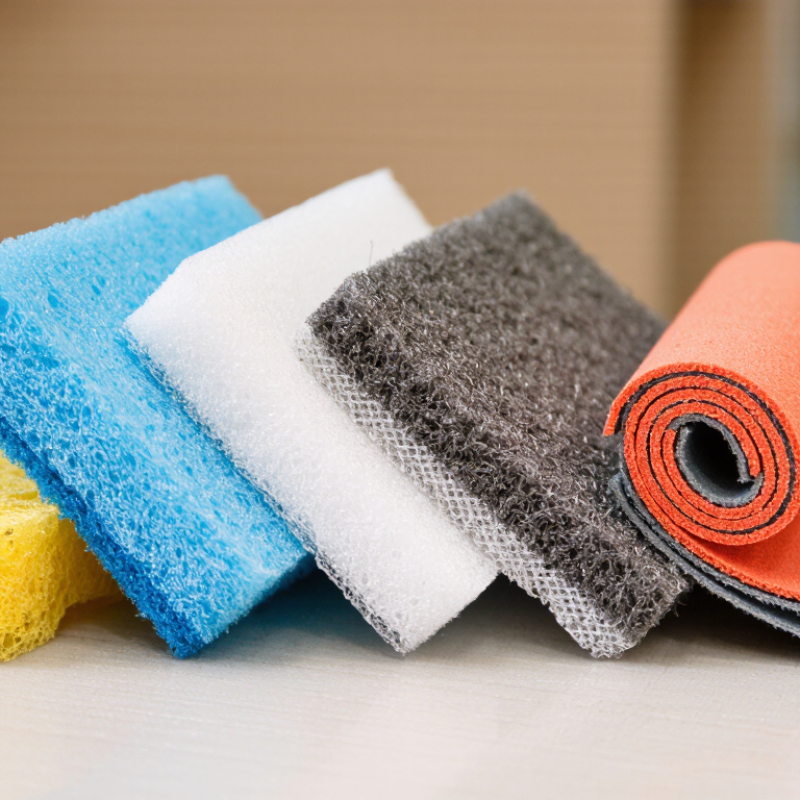
Global buyers usually compare sponge pads by material, cell structure, and working environment. Open-cell polyurethane pads absorb water, soap, and light oils. They suit dishwashing, surface wiping, and low-pressure polishing. Closed-cell polyethylene or EPDM pads resist water and compression better. They fit sealing, cushioning, and outdoor cleaning tasks. Silicone sponge pads tolerate wider temperature changes, while melamine foam removes marks through micro-abrasion. It can dull delicate coatings.

The 2024 Grand View Research polyurethane foam report estimates the global polyurethane foam market at over USD 50 billion in 2023. This figure shows the material’s industrial scale, but it does not prove every sponge pad is suitable. Buyers should check density, pore size, hardness, thickness, and compression recovery. A 10-millimeter pad may feel soft, yet collapse quickly under repeated pressure. Ask for test data, not only attractive sample photos.

Structure changes performance. Coarse open cells release liquid quickly and create a textured wiping feel. Fine cells provide smoother contact and more controlled polishing. The Freedonia Group’s World Foam Products analysis identifies packaging, furniture, transportation, and industrial uses as major foam demand areas. Sponge pads also serve medical-device assembly and precision cleaning, where particle shedding matters. In my view, supplier testing is still incomplete without real-use trials. Test the pad on wet, dry, hot, and chemically exposed surfaces. Small differences become obvious there.

Key Sponge Pad Types for Different Cleaning and Industrial Needs

Global buyers need sponge pads matched to the job, not simply the lowest price. Cellulose sponge pads suit kitchens, glass, and general surface wiping because they absorb water quickly. Their open structure can also trap food residue, so frequent rinsing and replacement are essential.

Melamine foam pads remove marks from painted walls, plastic panels, and hard floors with light moisture. They work through micro-abrasion. Test a hidden area first, especially on glossy coatings.

Polyurethane sponge pads offer flexible cushioning and controlled liquid release. They are useful for polishing, applying cleaners, and delicate equipment maintenance. A thicker pad is not always better. That assumption can fail.

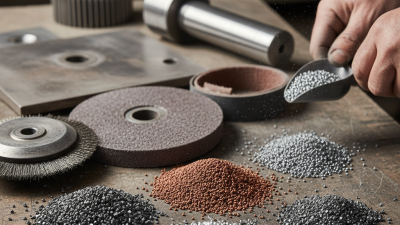
For industrial cleaning, abrasive sponge pads combine foam flexibility with mineral fibers or nonwoven surfaces. Choose a fine grade for stainless steel and a coarser grade for stubborn deposits. Grit matters.

Buyers should verify pad density, dimensions, absorption, compression recovery, and chemical resistance before ordering. Ask for sample testing under real pressure, temperature, and moisture conditions.

Some pads perform well in laboratories but wear quickly on textured machinery. Packaging should protect pads from dust and humidity during long-distance transport. Clear technical data improves purchasing decisions, although specifications alone cannot replace practical trials.

How to Compare Absorption, Abrasion, Durability, and Flexibility

What Are the Top Sponge Pad Types for Global Buyers?

Global buyers often compare sponge pads by appearance first. That can be misleading. The right type depends on absorption, abrasion resistance, durability, and flexibility.

Absorption should be tested with a measured water volume. Place each pad on a dry tray, add the same amount, and record the retained weight. Open-cell foam usually absorbs quickly, while denser foam may hold less liquid but release it more evenly.

Fast soaking matters. Test it wet. Check dripping after five minutes, not only after one minute.

Abrasion performance needs a controlled rubbing test. Move the pad across glass, coated metal, or textured plastic for a fixed number of cycles. Inspect both the surface and the pad for scratches, tearing, or fiber loss. A rough pad may clean well but damage delicate finishes.

Durability requires repeated compression, washing, and drying. Measure thickness before and after testing. A pad that collapses quickly may increase replacement costs.

Flexibility is equally practical. Bend the pad around a narrow handle and check whether it cracks, separates, or returns to shape. Do not rely on hand feel alone.

A common mistake is choosing maximum absorbency without considering drying time. Damp storage can create odor and weaken materials.

Request material data, test samples under local water conditions, and compare results by use case. Small trial batches reveal problems that laboratory claims may miss.

Some findings may conflict. That deserves review, not concealment.

Global Buyer Standards: Safety, Sustainability, and Product Compliance

Global buyers usually compare melamine, cellulose, polyurethane, and abrasive sponge pads. Each type serves a different cleaning task. Melamine pads remove marks with little detergent, but they can abrade delicate coatings. Cellulose pads absorb spills and feel softer in household use. Polyurethane pads offer resilience and controlled friction. Abrasive pads suit kitchens, workshops, and other heavy-duty environments.

Safety documentation should guide every purchase decision. Buyers should request material specifications, safety data where relevant, migration or chemical test reports, and batch traceability records. Testing should match the destination market and intended use. Skin contact, dust release, sharp fibers, and chemical residues deserve attention. A pad that feels harmless during a short trial may irritate users after repeated handling. It happens.

Sustainability claims also need evidence, not attractive wording. Ask for recycled-content verification, responsible fiber sourcing, packaging details, and disposal guidance. Cellulose products may support renewable-material goals, while synthetic pads can offer longer service life. Neither option is automatically greener. A shorter replacement cycle can increase waste, even when the material sounds sustainable. Reliable suppliers explain production controls, tolerance ranges, and corrective actions. Buyers should also inspect samples under wet and dry conditions, then compare performance after repeated use. Small defects matter. A loose edge, uneven pore structure, or strong odor can reveal weak process control.

Selecting the Right Sponge Pad Supplier and Customization Options

Global buyers should choose sponge pad suppliers by application, not appearance. Open-cell polyurethane pads absorb water and create softer wiping action. Closed-cell foam resists moisture and supports tougher industrial cleaning. Abrasive nonwoven layers add cutting power, but excessive grit can mark coated surfaces. INDA’s 2024 Global Nonwoven Markets report estimates annual nonwoven production at roughly 13 million metric tons, showing the sector’s broad manufacturing capacity and material variation.

A capable supplier should provide density, thickness, hardness, absorption, abrasion, and compression-set data. Ask for production samples from the actual factory line. Laboratory prototypes can look excellent, yet fail after repeated wet use. ASTM D3574 testing can help verify flexible foam performance, while ISO 9001-based quality systems improve process control. Still, certification alone is not proof of consistent pads.

Customization may include die-cut shapes, perforations, color coding, adhesive backing, printed cartons, and private packaging. Request a written tolerance for length, width, thickness, and adhesive placement. Specify carton quantity and moisture protection before ordering. The supplier should explain minimum order quantities, tooling charges, lead times, and batch traceability. According to Grand View Research’s foam market analysis, demand remains supported by construction, packaging, automotive, and cleaning applications. That scale is encouraging, but it can hide quality differences. A smaller trial order is often wiser. Mistakes happen. Prevent expensive ones with field testing.

What Are the Top Sponge Pad Types for Global Buyers? - Selecting the Right Sponge Pad Supplier and Customization Options

Sponge Pad Type Typical Material Key Characteristics Common Applications Customization Options Supplier Selection Priorities
Polyurethane Foam Pad Open-cell polyurethane foam Lightweight, flexible, economical, and available in a broad range of densities and firmness levels. Cleaning pads, protective packaging, cushioning, polishing, filtration, and household products. Thickness, density, pore size, color, die-cut shape, lamination, printing, and adhesive backing. Consistent density, compression recovery, dimensional tolerance, odor control, and production capacity.
Melamine Foam Pad Open-cell melamine resin foam Fine abrasive structure that removes marks with water or minimal cleaning solution; typically wears during use. Wall, tile, glass, appliance, and hard-surface cleaning. Block or contoured shapes, thickness, density, perforation, packaging format, and private-label artwork. Cleaning performance, foam uniformity, dust generation, abrasion level, packaging protection, and safety documentation.
Cellulose Sponge Pad Regenerated cellulose, often combined with natural fibers High water absorption, soft wiping feel, good wringing ability, and a more plant-derived material profile. Kitchen cleaning, dishwashing, wiping cloths, medical-care accessories, and absorbent products. Size, thickness, embossed texture, fiber blend, color, printed packaging, and molded shapes. Absorption capacity, wet strength, drying behavior, odor resistance, material traceability, and packaging hygiene.
Nitrile or Neoprene Sponge Pad Closed-cell nitrile rubber or chloroprene rubber Low water absorption, good oil resistance, flexibility, sealing performance, and vibration dampening. Gaskets, seals, insulation, automotive components, equipment protection, and industrial cushioning. Hardness, thickness, density, adhesive coating, flame-retardant grade, die-cut profile, and surface texture. Oil and chemical resistance, compression set, temperature range, dimensional stability, and test certificates.
EVA Foam Pad Closed-cell ethylene-vinyl acetate foam Lightweight, resilient, water-resistant, easy to die-cut, and suitable for protective or cushioning functions. Packaging inserts, sports equipment, footwear components, craft products, and protective pads. Thickness, hardness, color, laminated layers, adhesive backing, perforation, embossing, and custom cutting. Density consistency, rebound, compression set, edge quality, odor, color matching, and tool-making capability.
Silicone Sponge Pad Closed-cell or open-cell silicone rubber Excellent temperature stability, flexibility, weather resistance, and low moisture absorption. High-temperature seals, appliance components, medical devices, lighting, electronics, and food-processing equipment. Grade, hardness, thickness, color, surface finish, adhesive layer, die-cut profile, and molded geometry. Temperature performance, low compression set, cleanliness, regulatory suitability, curing quality, and traceability.
Abrasive Sponge Pad Foam backing with bonded mineral abrasive particles Conforms to curved surfaces and provides controlled abrasion with less risk of gouging than rigid abrasives. Metal finishing, paint preparation, woodworking, cookware cleaning, and surface blending. Grit grade, pad dimensions, density, abrasive distribution, color coding, double-sided coating, and packaging. Grit consistency, cutting rate, loading resistance, bond strength, edge durability, and application-specific testing.
Layered or Laminated Sponge Pad Two or more bonded foam, fabric, abrasive, film, or nonwoven layers Combines different functions, such as absorption, scrubbing, cushioning, filtration, or surface protection. Household cleaning, industrial wiping, protective packaging, filtration, polishing, and personal-care products. Layer sequence, bonding method, thickness, shape, color, perforation, handle design, and custom packaging. Bond strength, layer alignment, delamination resistance, material compatibility, production repeatability, and inspection controls.
Global Buyer Checklist: Confirm material grade, dimensions, density or hardness, absorption or compression performance, applicable regulatory requirements, sample approval, minimum order quantity, tooling cost, lead time, packaging method, inspection standard, and export documentation before placing a production order.