Best Wet Diamond Polishing Pads for Efficient Surface Finishing?
In the world of surface finishing, "Wet Diamond Polishing Pads" play a pivotal role. According to a recent industry report by the International Polishing Association, the demand for these pads has surged by 25% over the past year. As professionals seek optimal solutions, the efficiency of these pads cannot be understated. Expert Angela Myers states, "The right polishing pad can make or break your surface finishing process."
The effectiveness of Wet Diamond Polishing Pads is evident in various applications. These pads not only enhance the shine of surfaces but also reduce the risk of scratches and damage. In a study conducted by the Surface Technology Institute, it was found that using high-quality pads can increase surface finish quality by up to 30%. However, not all pads deliver consistent results, and the market is saturated with options that may fall short of expectations.
Choosing the best Wet Diamond Polishing Pads requires careful consideration. Buyers often encounter misleading claims and subpar products. This highlights the need for thorough research and expert advice. As the industry evolves, the quest for ideal polishing solutions continues. Understanding the intricacies of these pads is crucial for achieving desired finishing results.
Understanding Wet Diamond Polishing Pads and Their Benefits
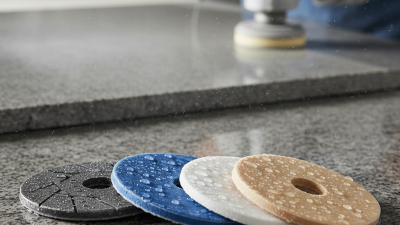
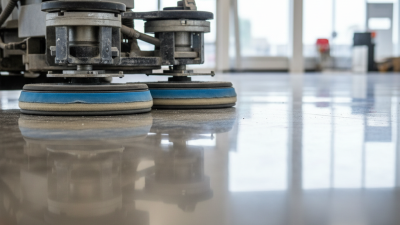
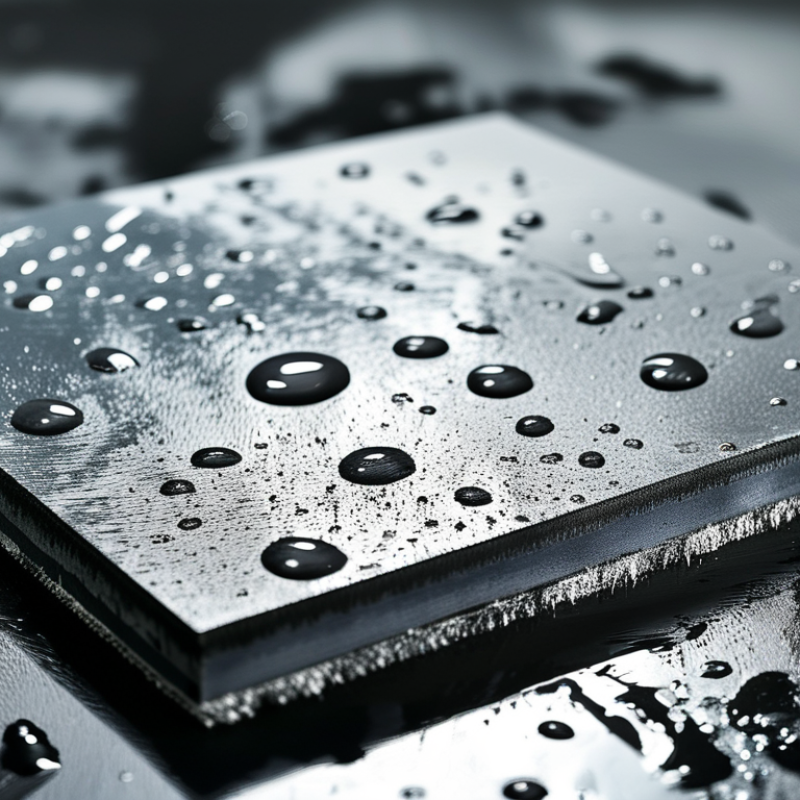
Wet diamond polishing pads are essential tools for achieving exceptional surface finishes on various materials. These pads are designed to work with water, helping to reduce heat and friction during the polishing process. This feature not only prolongs the life of the pads but also ensures a smoother finish. The flexibility of wet diamond polishing pads makes them suitable for both hard and soft surfaces, allowing for versatile applications in construction and home improvement projects.
When using wet diamond polishing pads, keep these tips in mind. Always select the right grit for your specific task. Coarser grits are perfect for heavy material removal. Conversely, finer grits will achieve that mirror-like finish. It’s crucial to maintain consistent pressure to avoid uneven surfaces. Experimenting with different techniques can lead to improved results, though it may require patience and practice to master.
Even with the right tools, challenges may arise. Operators can often face issues like scratches or uneven finishes, which can be frustrating. Taking the time to evaluate your technique and make adjustments can lead to better outcomes. Proper maintenance of polishing pads is also vital; rinsing them regularly during use prevents clogging and ensures optimal performance.
Types of Wet Diamond Polishing Pads for Surface Finishing
Wet diamond polishing pads are essential for achieving a smooth, shiny surface on various materials. Different types of pads cater to specific needs and applications. Understanding these types can help you make informed choices for your projects.
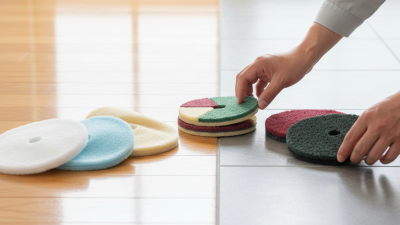
There are several types of wet diamond polishing pads available. The most common are the continuous rim, which provide a consistent finish, and the segmented pads, which are better for aggressive cutting. Hybrid pads combine both features, offering versatility. The right pad depends on the material, whether it's granite, concrete, or marble. Each material may require a different grit for optimal results.
Pay attention to the grit levels you choose. Coarse grits remove material quickly but may leave scratches. Finer grits polish the surface but take more time. Experiment with different grits to find what works best for your project. Remember that the surface preparation phase is crucial. Skipping steps can lead to poor finishing and extra work later. Adjusting your approach based on the surface condition can lead to better aesthetics and longevity.
Factors to Consider When Choosing Wet Diamond Polishing Pads
Choosing the right wet diamond polishing pads is crucial for achieving a superior finish on various surfaces. One important factor is the grit level. Coarse pads are ideal for heavy material removal, while finer pads refine the surface to a high gloss. Understanding your project's specific needs can save you time and materials.
Another consideration is the pad thickness. Thicker pads provide better support and longevity, especially on uneven surfaces. However, they may reduce flexibility, making it harder to reach intricate areas. Finding a balance between thickness and flexibility is key to optimal performance.
Water flow also plays a significant role. Too little water can clog the pads, while excessive water can cause slippage. Experimenting with water levels can enhance your results. It's also essential to think about pad compatibility with your specific polishing machine. Not all pads fit all machines perfectly, so checking specifications is a must.
Top Brands and Models of Wet Diamond Polishing Pads
Wet diamond polishing pads are essential for achieving glossy finishes on various surfaces. They are widely used for concrete, granite, and marble polishing. When selecting a pad, consider the grit type and quality. A finer grit achieves a higher shine, while coarser grits remove material more aggressively. Each pad's durability varies. Some may wear out quickly under heavy use, necessitating frequent replacements. This can lead to unplanned expenses and inefficiencies.
Not all pads are compatible with every surface. Testing on a small area is advisable to identify the right combination. The environment also plays a role; high humidity can affect the polishing process. Some contractors argue that achieving the right shine takes trial and error, and it's common to make mistakes initially. Observing the pad's behavior is key. It’s a learning curve to avoid excessive wear or surface scratches.
When choosing brands, look for reliability in performance. Reviews from industry experts can provide insights into longevity and effectiveness. Investing in good pads can save time and money in the long run. Functionality should be your guide, rather than brand names. Balancing quality with cost is essential; sometimes less expensive options can perform just as well. Regularly revisiting your selection process ensures you're using the most effective tools available.
Best Wet Diamond Polishing Pads Performance Analysis
Proper Usage and Maintenance of Wet Diamond Polishing Pads
Using wet diamond polishing pads effectively requires attention to both technique and maintenance. Begin by ensuring your surface is clean and free of debris. This prepares the area for an even polish. Keep the polishing pad wet throughout the process to avoid overheating and damage. A consistent speed will help achieve a smooth finish. It’s essential to apply light pressure, allowing the diamonds to do the work. Overly aggressive polishing can lead to uneven surfaces and unnecessary wear on the pad.
Regular maintenance extends the life of your polishing pads. After each use, rinse them thoroughly to remove any leftover debris. This prevents clogging and maintains performance. Allow the pads to air dry completely before storing them. Storing damp pads can cause mold and degrade their quality. Monitor the pads for signs of wear, such as losing grit or shape. If they start to feel less effective, consider replacing them to ensure optimal results. Reflecting on your usage can also lead to improvements, so take notes on what works best in your specific applications.