Discover the Best Wet Diamond Polishing Pads for Your Needs
When it comes to achieving a flawless finish on various surfaces, the choice of a Wet Diamond Polishing Pad significantly impacts results. According to recent industry reports, over 70% of professionals in stone and concrete finishing prefer wet polishing over dry methods due to its superior efficiency and reduced dust production. This pad type excels in providing an optimal balance between abrasion and smoothness, essential for crafting high-quality surfaces.
The market has seen an impressive rise, with a projected growth rate of 6% annually in the diamond polishing industry. This reflects the increasing demand for tools that enhance productivity while ensuring safety and quality. Many users report that Wet Diamond Polishing Pads not only improve finish quality but also extend the life of polishing machines. However, the wide variety available can overwhelm buyers.
Choosing the right Wet Diamond Polishing Pad can be challenging. Different pads serve different purposes, and users often purchase without sufficient knowledge. Researching specific needs and comparing materials is crucial. This guide aims to mitigate confusion and guide users in selecting the ideal pad tailored to their unique requirements.
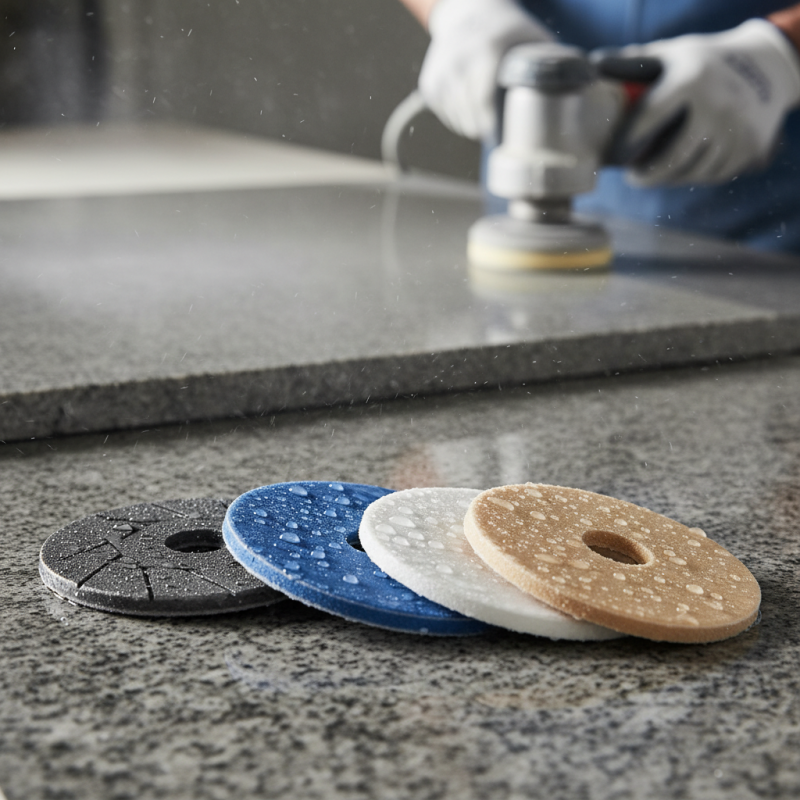
Understanding Wet Diamond Polishing Pads: An Overview
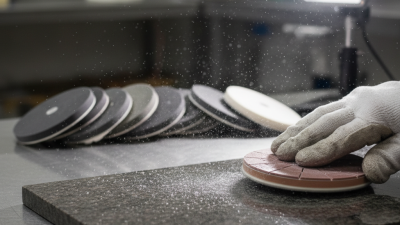
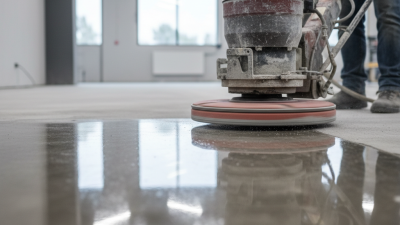
Wet diamond polishing pads are essential tools in the stone and concrete polishing industry. These pads utilize diamond abrasives, providing a superior finish compared to traditional polishing methods. They are particularly effective for achieving gloss on surfaces like granite, marble, and engineered stone. According to a study by the Marble Institute of America, the use of diamond pads can enhance polishing efficiency by up to 40%.
The composition of wet diamond polishing pads plays a crucial role in their performance. Different pads have varying grit levels, usually ranging from 50 to 3000. Lower grit pads are designed for aggressive grinding, while higher grit pads provide finer finishes. This versatility allows users to tailor their approach based on the material and desired outcome. However, it’s important to recognize that even with quality pads, poor technique can lead to uneven surfaces.
Water is also a critical factor in the polishing process. Wet polishing tends to reduce dust and prolong the life of the diamond pads. However, excessive water can lead to slippage and a messy workspace. Balancing moisture is key but often overlooked. Industry experts recommend using just enough water to lubricate the surface without making it overly wet. This delicate balance can significantly affect the final result. Understanding these nuances can enhance user effectiveness and reduce common pitfalls in polishing tasks.
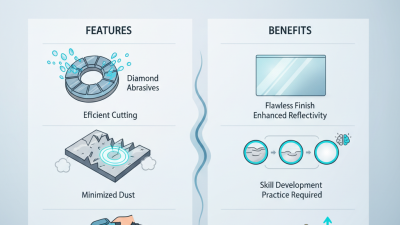
Wet Diamond Polishing Pads Performance Comparison
Types of Wet Diamond Polishing Pads and Their Specifications
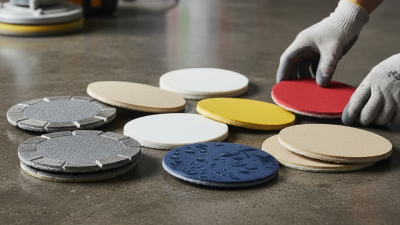
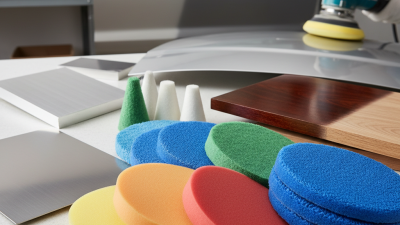
When choosing wet diamond polishing pads, understanding their types and specifications is crucial. There are several common types available: soft, medium, and hard pads. Each pad type serves a specific purpose and achieves different levels of polish.
Soft pads are ideal for producing a high-gloss finish on softer materials, while hard pads work well with tougher surfaces like granite.
Specifications to consider include grit size, which affects the polishing outcome. Typically, grits range from 50 to 3000. Lower grit numbers are aggressive and remove material quickly. In contrast, higher grits provide a fine finish. Industry reports indicate that using the appropriate grit improves efficiency by as much as 25%. Furthermore, the pad's thickness can influence durability. Thicker pads tend to last longer but may require more pressure to achieve the desired outcome.
It's important to recognize that not all pads are created equal. Some users report inconsistent results when switching between products. This variability can arise from differences in material composition or manufacturing quality. Buyers should pay close attention to these factors to avoid pitfalls. Regular testing and feedback from experienced users can help guide your choice. Balancing cost and quality is essential for getting the best results in your polishing projects.
Choosing the Right Grit for Your Polishing Needs
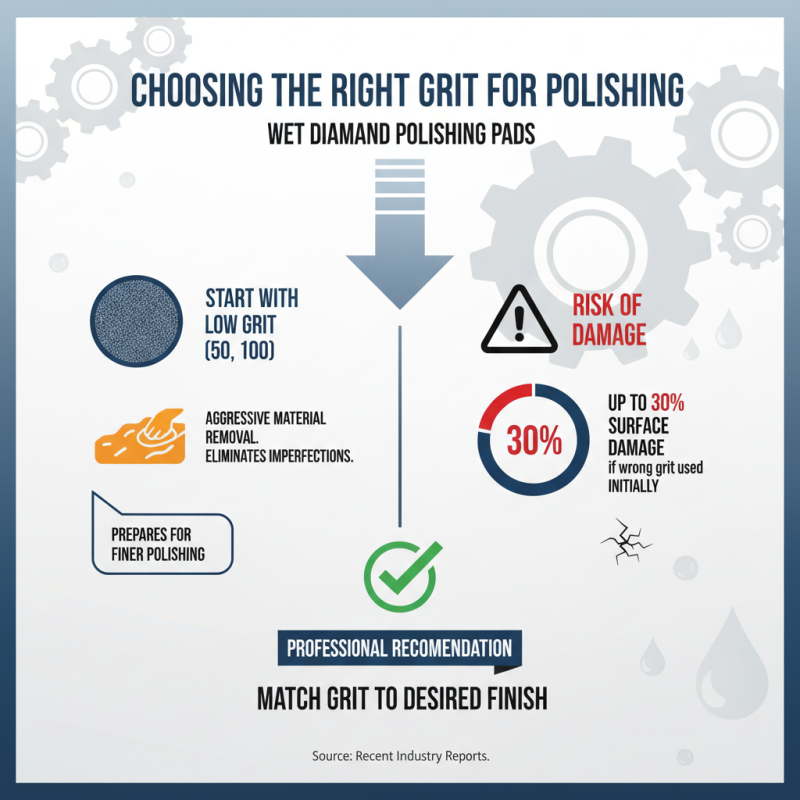
Choosing the right grit for wet diamond polishing pads is crucial for achieving the desired finish. Professionals often recommend starting with a lower grit, such as 50 or 100, for aggressive material removal. This method effectively eliminates surface imperfections and prepares the material for finer polishing. According to recent industry reports, up to 30% of surface damage can occur during this initial process if the right grit is not utilized.
As you move toward higher grits, like 2000 or 3000, the focus shifts to refinement. These pads enhance the shine and smoothness of the surface. Research shows that using the appropriate grit can reduce polishing time by nearly 25%. However, selecting the wrong grit may lead to increased time and cost. Achieving an optimal polished surface requires careful consideration of these factors.
It is essential to reflect on the materials you’re working with. Some stones or concrete require a different approach. For instance, harder surfaces may need a more aggressive grit initially. On the other hand, softer materials can be damaged with excessive pressure or too coarse a grit. Industry experts emphasize the importance of understanding your specific needs before starting the polishing process.
Maintenance Tips for Prolonging the Life of Polishing Pads
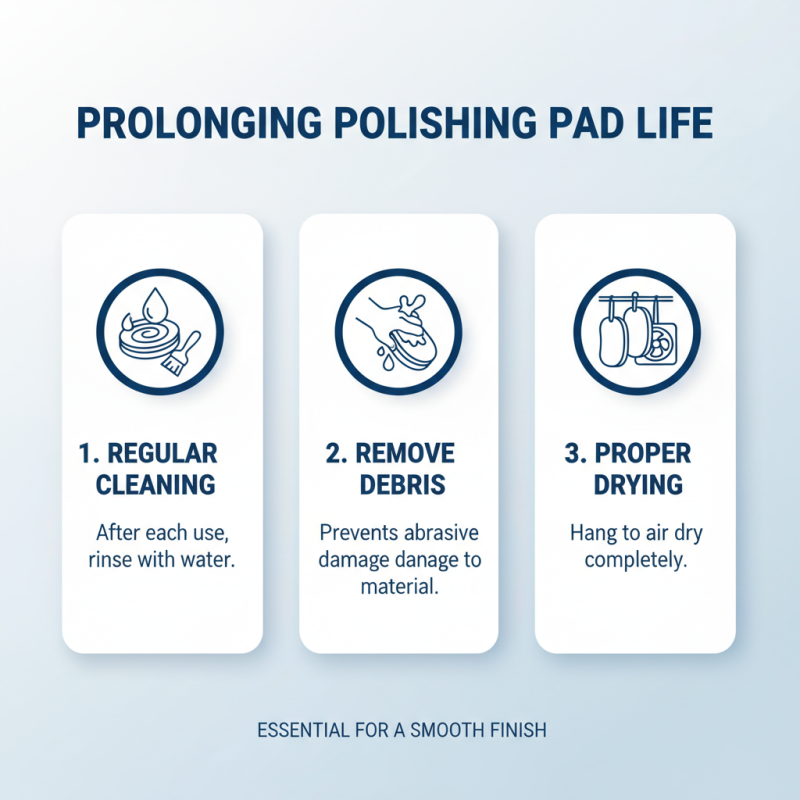
Polishing pads are essential for achieving a smooth finish on various surfaces. To prolong their life, proper maintenance is crucial. Regular cleaning is one of the best ways to ensure durability. After each use, rinse the pads with water to remove debris. This helps prevent abrasives from damaging the material.
Another important tip is to store polishing pads correctly. Keep them in a clean, dry place, away from direct sunlight. Heat can degrade the pads over time. Additionally, avoid stacking them directly on top of each other. This may cause deformation.
Lastly, monitor the usage of your pads. If you notice wear or tearing, it's time to replace them. Overusing worn pads can lead to ineffective polishing. These habits might seem minor, but they can significantly extend the life of your polishing tools. Remember, well-maintained pads deliver better performance and finish quality.
Top Brands of Wet Diamond Polishing Pads in the Market
When exploring wet diamond polishing pads, it's vital to recognize the top brands available. These pads come in diverse grits and types, catering to various materials. Professionals often rely on their effectiveness to achieve high-gloss finishes on stone, tile, and concrete surfaces. Look for pads that offer durability and flexibility.
Product variety is crucial. Some pads excel at rapid material removal, while others focus on fine finishing. It can be challenging to identify the right pad for specific applications. Many users overlook the importance of grit selection. A lower grit number is aggressive; a higher number is finer. Understanding this can significantly impact results.
Market trends suggest that continuous innovation is key. Manufacturers regularly introduce new technologies, enhancing pad performance. However, with so many options, it's easy to feel overwhelmed. User reviews can be beneficial, but varying experiences lead to confusion. Not every pad will meet every need. Careful selection based on project requirements is essential.