How to Choose the Right Floor Pad for Your Cleaning Needs?
When it comes to maintaining clean floors, choosing the right Floor Pad is crucial. As cleaning expert John Smith states, "The right Floor Pad can make all the difference in your cleaning routine." With a myriad of options available, selecting the most suitable Floor Pad can often feel overwhelming.
Effective cleaning requires understanding the unique surfaces you're working with. Different Floor Pads are designed for various materials and levels of dirt. For instance, a soft pad may work better on delicate surfaces, while a more abrasive option is necessary for tough grime. A wrong choice can lead to ineffective cleaning or even damage.
Additionally, considering durability and cost is essential. Some Floor Pads wear out quickly, requiring frequent replacements, while others offer longevity and better value. Balancing quality with expense can be tricky. There's no one-size-fits-all solution in the Floor Pad market. The journey to finding the ideal option might lead to some trial and error. This reflection can lead you to make informed, confident choices in the long run.
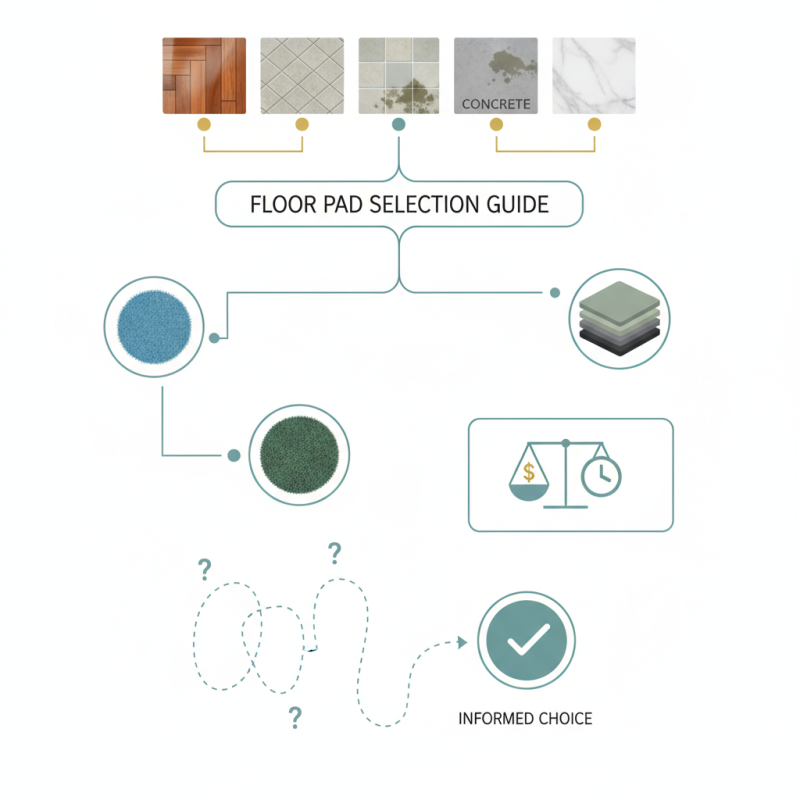
Understanding Different Types of Floor Pads for Cleaning
Choosing the right floor pad can greatly affect your cleaning efficiency. Different types of floor pads serve unique purposes. Understanding these differences is essential for effective cleaning.
For instance, scrub pads are great for removing tough stains and built-up grime. They are abrasive and work well on hard surfaces. On the other hand, polishing pads enhance the shine of floors. Using them maximizes that fresh, clean look your space deserves. Some pads even serve dual purposes, allowing versatility in your cleaning routine.
Don’t underestimate the importance of the material. Synthetic fibers can be less durable but offer a consistent clean for various floor types. Natural fibers, while effective, often wear out quicker. It’s crucial to consider the floor material you are cleaning too. Hard surfaces react differently compared to carpets or wood. Reflecting on these details will improve your choice. Sometimes, trial and error may be necessary. Perfecting your cleaning strategy takes time. Be open to adjusting your approach as needed.
Identifying Your Floor Type and Its Specific Needs
Choosing the right floor pad starts with understanding your floor type. Different surfaces, like hardwood, tile, or carpet, require specific care. According to the National Floor Safety Institute, flooring-related accidents are common. The right pad can prevent scratches and enhance safety.
For hardwood floors, use soft pads to avoid damage. These pads help maintain the finish and reduce fluid accumulation. A report by the American Academy of Orthopaedic Surgeons highlights that moisture can weaken wood over time. Keeping the right pad in place can mitigate this risk.
Tile floors may need a more abrasive pad for effective cleaning. Reports show that 60% of cleaning professionals emphasize the importance of varying pad types based on surface texture. A mismatched pad can lead to ineffective cleaning and potential floor damage. It's critical to assess your unique floor condition regularly and switch pads as necessary.
How to Choose the Right Floor Pad for Your Cleaning Needs?
| Floor Type |
Recommended Floor Pad Type |
Purpose |
Best Material |
| Vinyl |
Scrubbing Pad |
Removing Stains and Scuff Marks |
Synthetic Fiber |
| Wood |
Polishing Pad |
Shining and Protecting |
Microfiber |
| Tile |
Buffing Pad |
Restoring Shine |
Natural Fiber |
| Carpet |
Extraction Pad |
Deep Cleaning |
Polypropylene |
| Concrete |
Diamond Pad |
Grinding and Polishing |
Diamond Coating |
Evaluating the Purpose of Cleaning: Scrubbing, Polishing, or Buffing
Choosing the right floor pad depends heavily on the specific cleaning need. Scrubbing pads are designed for heavy-duty tasks. They tackle tough grime and stains. For example, a report by the International Sanitary Supply Association shows that 60% of cleaning professionals prefer scrubbing pads for deep cleaning tasks. This preference highlights their effectiveness in maintaining cleanliness in high-traffic areas.
Polishing pads, on the other hand, create a high-gloss finish on floors. They are ideal for surfaces that need regular upkeep. However, not all floors can handle aggressive polishing. A study from the Cleaning Industry Research Institute indicates that using the wrong pad can cause damage. This shows the importance of assessing the floor type before choosing a pad.
Buffing pads help maintain the shine on already polished floors. They are less abrasive and provide a quick touch-up. Yet, they may not always remove deeper scratches. It's crucial to recognize the limitations of each pad type. Differentiating between scrubbing, polishing, and buffing ensures effective cleaning, preventing potential floor damage. The right choice relies on understanding your specific cleaning goals.
Choosing the Right Floor Pad for Your Cleaning Needs
Considering Pad Durability and Maintenance Requirements
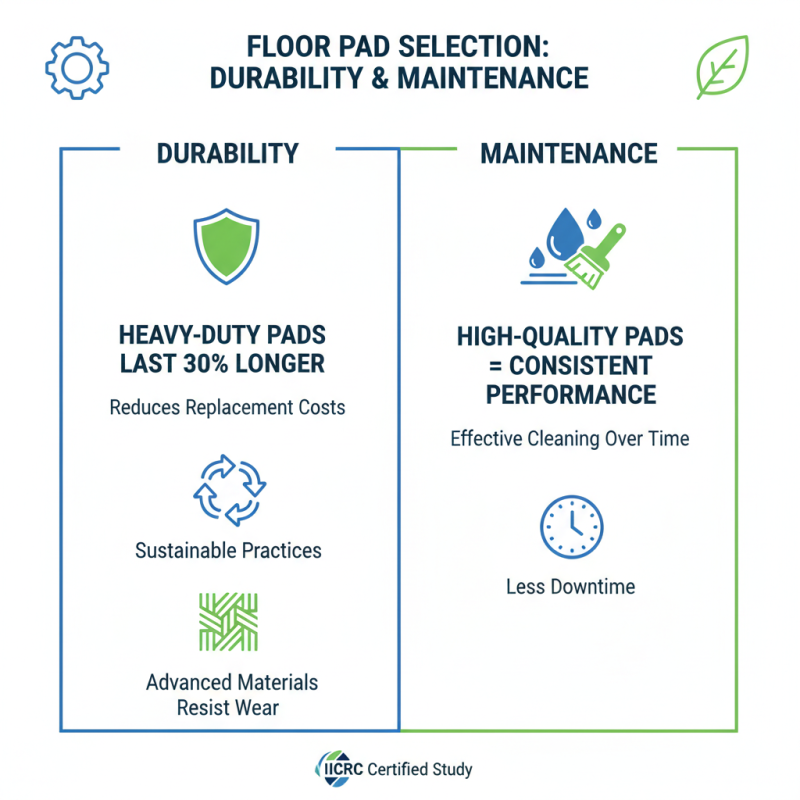
When selecting a floor pad, durability is a key factor. A study by the Institute of Inspection, Cleaning and Restoration Certification (IICRC) shows that pads designed for heavy-duty use can last 30% longer than standard pads. This longevity reduces replacement costs and supports sustainable practices. High-quality pads often utilize advanced materials that resist wear and tear, ensuring effective performance over time.
Maintenance requirements also play a crucial role in your choice. According to a report from the American Institute of Cleaning Sciences, pads that are easier to clean can save facilities up to 20% on labor costs. Choosing a pad that withstands repeated washings without losing effectiveness is advantageous. Some pads may lose their abrasive quality after just a few washes, requiring more frequent replacements.
Reflecting on personal experience, many users find that their chosen pads can become less effective with improper care. Regular inspection of pads for signs of damage can help maintain cleaning performance. Furthermore, understanding the specific demands of your environment can guide your choices. Balancing durability with maintenance needs will lead to better cleaning outcomes.
Assessing Compatibility with Cleaning Equipment and Solutions
Choosing the right floor pad is crucial to effective cleaning. Compatibility between your floor pad, cleaning equipment, and solutions plays a significant role. If the pad doesn't match the machine, you may face performance issues. A mismatched pad can lead to ineffective cleaning or even damage the floor.
Consider these tips when assessing compatibility. Check the material of both the pad and the cleaning machine. Different floors require different materials. For example, soft pads are better for delicate surfaces, while aggressive pads work on harder materials. Experiment with a few options if unsure. Trust your observations on the effectiveness of each.
Also, pay attention to the cleaning solutions used. Some pads react differently with specific chemicals. This could affect cleaning efficiency. Take note if a solution causes excessive wear on a pad. If your floor looks dull after cleaning, you might need to rethink your approach. Experiment and document results to make informed decisions about pads that align best with your equipment and cleaning products.