How to Choose the Best Polishing Pads for Your Needs?
Choosing the right polishing pads is crucial for achieving the best results in your polishing projects. According to John Smith, an industry expert with over 15 years of experience, “The right polishing pad can transform your finish from dull to brilliant.” Knowing what to consider when selecting these pads can significantly influence your work outcomes.
Polishing pads come in various materials, sizes, and grades. Understanding the distinctions is essential for optimal performance. A pad that is too coarse can damage delicate surfaces, while one that is too soft may not yield the desired shine. Experimenting with different options is often required to find the perfect match for your specific task.
Additionally, it’s important to reflect on your specific needs. Are you working with cars, floors, or furniture? Each application demands a different type of polishing pad. What works for one project may not be suitable for another. Taking time to evaluate each choice can lead to better decisions and improved results.
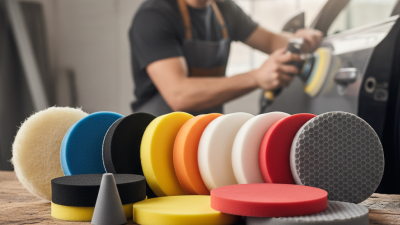
Understanding Different Types of Polishing Pads Available on the Market
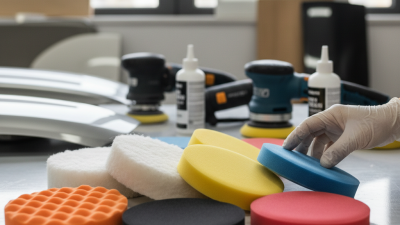
When selecting polishing pads, it's essential to understand the variety available on the market.
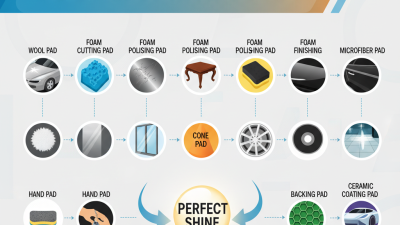
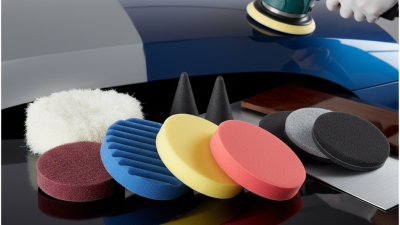
Foam pads are commonly used for light polishing and finishing. They come in different firmness levels, such as soft, medium, and hard, each serving a unique purpose. Soft pads are ideal for removing minor imperfections. Medium pads are more versatile and can handle moderate scratches. On the other hand, hard pads are suitable for heavy cutting but may require more skill.
Wool pads offer a different approach. They tend to be more abrasive, perfect for deeper scratches and heavy-duty polishing. However, they can create micro-marring on softer surfaces. It’s vital to choose the right pad for the job to avoid complications.
Additionally, microfiber pads combine features of both foam and wool. They provide excellent cutting power while minimizing the risk of damage.
Experimenting with various pads can lead to discovery. Not every pad will perform perfectly with every product. Differences in paint types and conditions can lead to unsatisfactory results. Don't be discouraged by these challenges. They provide an opportunity for learning.
Understanding how each type of pad interacts with different polishes is crucial for achieving the best finish. The right choice is often a personal journey of trial and reflection.
Factors to Consider When Selecting Polishing Pads for Specific Materials
When selecting polishing pads, consider the material you'll be working with. Different materials require specific types of pads for optimal results. For instance, foam pads are gentle and ideal for clear coats. In contrast, wool pads offer more cutting power, making them suitable for heavier oxidation and scratches.
Tip: Always match the pad density to the task. Softer pads for delicate surfaces and firmer pads for heavy-duty work will ensure a finish that meets your expectations. It's essential to evaluate the final look you aim for—whether gloss or more subtle finishes.
Another factor is the pad's grit. Lower grits are more aggressive and better for cutting through imperfections. Higher grits smooth and refine surfaces. This plays a crucial role, especially when polishing paint.
Tip: Experiment with different pads on scrap material. This will give you insight into how each pad behaves with various surfaces. It’s common to assess and refine your approach based on the outcome of your tests. Your preferences may change as you work more, so remain open to adjustments.
How to Choose the Best Polishing Pads for Your Needs?
| Material |
Pad Type |
Grit Level |
Ideal Use |
Recommended Applications |
| Paint |
Foam |
Fine |
Polishing |
Vehicle exteriors, clear coat finishes |
| Concrete |
Diamond |
Medium |
Grinding and honing |
Floor surfaces, countertop edges |
| Wood |
Felt |
Coarse |
Sanding |
Furniture restoration, refinishing |
| Glass |
Microfiber |
Fine |
Polishing |
Windows, mirrors, glass surfaces |
| Metal |
Wool |
Medium |
Polishing |
Automotive parts, metal fixtures |
Evaluating the Grit Levels of Polishing Pads for Desired Finish Quality
Choosing the right polishing pad involves understanding grit levels. Grit refers to the size of abrasive particles on the pad. Higher grit pads offer a finer finish, while lower grit pads are more aggressive. For instance, research shows that 80-100 grit pads are ideal for heavy cutting and removing imperfections. This makes them suitable for initial polishing on rough surfaces.
Conversely, pads with a grit level of 1500 or higher provide a smoother finish. A 3000 grit polishing pad can refine the surface, which is essential for achieving that showroom shine. However, it's vital to select the appropriate grit based on your project’s needs. Using too high a grit on a heavily scratched surface may be ineffective. Conversely, too low grit could damage finer surfaces.
Real-life applications show that improper grit selection can lead to subpar results. Surveys indicate that many users experienced dissatisfaction due to mismatched grit levels. It's not just about choosing any pad; it's about understanding how grit affects finishing quality. This knowledge ensures your polishing process is not only efficient but also effective.
Choosing the Right Pad Density for Effective Polishing Performance
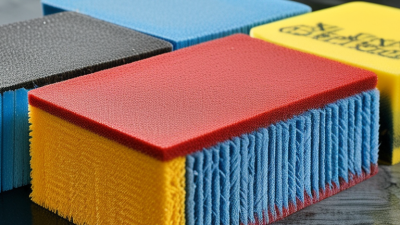
Choosing the right pad density is crucial for effective polishing performance. The density affects how the pad interacts with the surface. A lower density pad is softer and offers a gentler finish. This is ideal for delicate surfaces but may require more effort for stubborn imperfections.
Conversely, higher density pads provide more cutting power. They work efficiently on tougher surfaces, removing scratches and swirls. However, they can sometimes be too aggressive, potentially damaging sensitive areas. It’s important to assess your working surface before selecting pad density.
Reflect on the specific task. Are you polishing a car, flooring, or a countertop? Each surface has distinct needs. Testing different densities can lead to better results. Consider your experiences and any challenges faced. Balancing density, performance, and the surface condition is key to successful polishing.
Maintenance Tips for Extending the Lifespan of Your Polishing Pads
Polishing pads are essential tools for achieving a flawless finish on various surfaces. However, their lifespan can be significantly affected by how we maintain them. Regular maintenance is key to extending the life of your polishing pads.
One effective tip is to clean your pads after each use. Remove debris and polish residues by rinsing them thoroughly in warm water. This prevents buildup, ensuring that the pads remain efficient. Additionally, storing them in a dry and dust-free environment can hinder the growth of mold or bacteria. A dusty workspace can lead to premature wear and tear on your pads.
Another important aspect is to inspect your polishing pads regularly. Look for signs of wear, such as fraying edges or discoloration. If your pads show significant damage, it's time to replace them. Ignoring these issues can lead to uneven polishing results. Remember, a few moments spent caring for your pads can enhance their performance and lifespan substantially.