What are Polishing Pads and How to Choose the Right One?
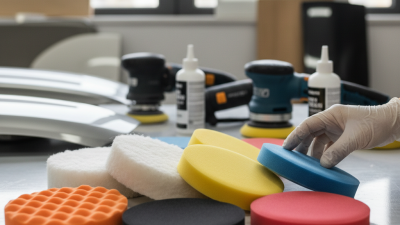
Polishing pads are essential tools in the world of surface finishing. They play a crucial role in various applications, from automotive detailing to floor restoration. Choosing the right polishing pad can dramatically influence the final result of your project. However, many people struggle with this task, often overwhelmed by the options available.
Understanding the types and materials of polishing pads is vital. Each pad serves a specific purpose and can yield different finishes. Some pads provide a high-gloss shine, while others are designed for more aggressive cutting. This variety can leave users confused, leading them to choose unsuitable options for their needs.
Reflecting on personal experiences with polishing pads can be enlightening. Mistakes can sometimes lead to undesirable outcomes. For example, using the wrong pad can scratch surfaces or create swirls. Learning from these experiences can help in making better choices in the future. Ultimately, the right polishing pad can elevate your work quality significantly.
What Are Polishing Pads and Their Types?
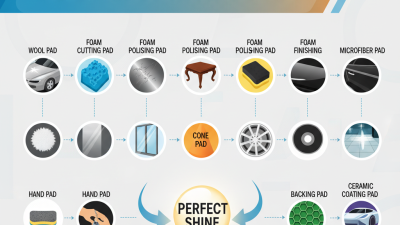
Polishing pads are essential tools in various industries, including automotive, woodworking, and metal fabrication. Their primary function is to refine surfaces, enhance shine, and prepare items for finishing. Understanding the types of polishing pads is crucial for achieving desired results. Each type has distinct characteristics that cater to specific tasks.
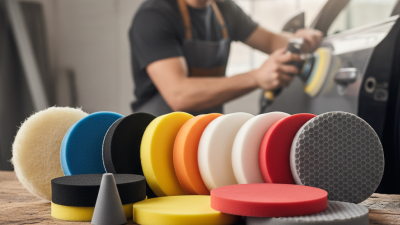
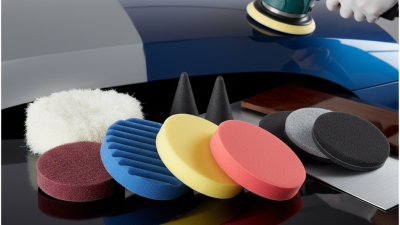
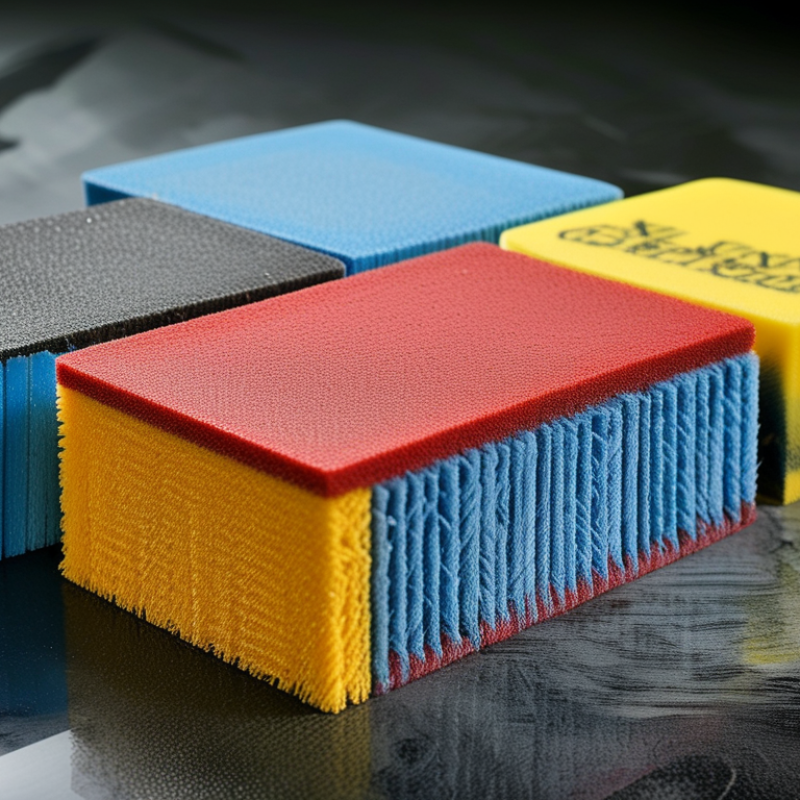
There are several categories of polishing pads. Foam pads are popular for their versatility. They can be classified into soft, medium, and hard variations, each suited for different stages of polishing. According to the American Coatings Association, foam pads are effective for removing swirls and scratches without damaging the underlying surface. Wool pads, on the other hand, are often used for heavier cutting tasks on tougher materials. They provide a more aggressive approach, making them ideal for initial sanding or buffing.
Moreover, there are microfiber pads, known for their fine finishing capabilities. They work well with delicate surfaces such as automotive paint and coated materials. Industry reports indicate that using the right pad type can improve efficiency and quality by 30%. Users must select pads based on their specific requirements, considering material compatibility and desired finish quality. Understanding these details shapes effective polishing practices, yet many still overlook the importance of selecting the right pad.
What are Polishing Pads and How to Choose the Right One? - What Are Polishing Pads and Their Types?
| Type of Polishing Pad |
Material |
Use Cases |
Grit Level |
Best For |
| Foam Pads |
Polyurethane Foam |
Finishing, Polishing |
Soft to Medium |
Clear Coats, Paint |
| Wool Pads |
Natural or Synthetic Wool |
Cutting, Heavy Correction |
Medium to Heavy |
Paint Correction, Oxidation Removal |
| Microfiber Pads |
Microfiber Material |
Polishing, Finishing |
Soft to Medium |
Final Finishing, Soft Paints |
| Ceramic Pads |
Ceramic Composite |
Advanced Polishing |
Medium |
High-End Finishing |
Key Features of Polishing Pads You Should Know
Polishing pads are essential tools in various industries, especially in automotive and flooring applications. Choosing the right pad can significantly impact the quality of the finish. Key features of polishing pads include material type, density, and grit size. These factors determine the pad’s effectiveness and its suitability for specific tasks.
Material type influences the pad's durability and application. For instance, foam pads are commonly used for fine polishing, while wool pads are better for heavy cutting. According to the International Association of Equipment Manufacturers, using the wrong pad can decrease efficiency by up to 30%. Density also plays a critical role; denser pads maintain their shape and last longer under pressure.
Grit size affects how aggressive the polishing will be. For lighter polishing, a finer grit is recommended, while coarser grit is necessary for heavy damage recovery. The American National Standards Institute reports that improper selection can lead to surface damage, requiring more extensive repairs. Knowing these features helps users pick the right pad for their needs, improving results and avoiding costly mistakes.
How to Determine the Right Polishing Pad for Your Project
Choosing the right polishing pad significantly affects your project's outcome. A good pad matches the material you’re working with. Consider factors like hardness and texture. Soft pads work well on delicate surfaces, while harder pads are suitable for tougher materials. This ensures you achieve the desired shine without damaging your workpiece.
Assess your specific needs. If you are working with paint, look for pads that provide a finer finish. For stone surfaces, choose a more aggressive pad to effectively buff out imperfections. Knowing the purpose of your project helps narrow down the options. Experimentation can lead to better results, despite the initial trial and error.
Consider cost versus quality in your selection process. Sometimes, investing a bit more can save time and improve quality. However, not every expensive pad yields excellent results. Research and read reviews to gauge their effectiveness. A pad that works well for one person may not be ideal for another. An open mind and thoughtful evaluation can guide you toward making an informed choice.
Factors to Consider When Choosing Polishing Pads
When selecting polishing pads, several factors are crucial to ensure optimal performance. The material of the pad affects its aggressiveness and finish quality. For instance, foam pads are typically softer, suitable for light polishing. Conversely, wool pads offer a more aggressive approach for deeper scratches. According to industry reports, foam pads account for 60% of all polishing pads used, emphasizing their popularity.
Choosing the right density is also critical. Higher density pads may last longer but can be less forgiving on delicate surfaces. Softer pads in lower densities can help achieve a glossier finish but wear out more quickly. It's essential to match the pad's density with the project requirements. Many professionals suggest having a variety on hand to tackle different surfaces effectively.
Tips: Always clean the pads after each use. This will prolong their lifespan and maintain performance. Consider the specific job requirements. Reflect on past projects to identify successful pad choices. Experimenting with different pads may lead to surprising results.
Understanding Different Polishing Pad Types
This bar chart illustrates the relative popularity of different types of polishing pads based on typical usage and consumer preferences. Each bar represents a percentage indicating how commonly each pad type is chosen for polishing tasks.
Tips for Maintaining and Caring for Polishing Pads
Caring for polishing pads is vital for optimal performance. Regular cleaning helps prevent the buildup of dust and debris. After each use, rinse the pads with water and gently agitate them. This removes residues that can affect their effectiveness over time. Avoid harsh chemicals, as they can damage the material. Instead, opt for mild soap and air-dry the pads completely. Keeping pads clean extends their lifespan significantly.
Storage also plays a crucial role in maintaining polishing pads. Store them in a cool, dry place away from direct sunlight. Heat can warp the pads, leading to poor polishing results later. It's important to inspect pads regularly for signs of wear, such as fraying edges or loss of foam density. If they appear worn, consider replacing them. Reflecting on one’s maintenance routine is key; sometimes we overlook simple steps that can lead to better results.
In addition, mixing different types of pads can provide varied finishes. Understanding the specific needs of a project can guide your choice. This not only enhances the final outcome but also encourages a habit of experimentation. Taking the time to properly care for your polishing pads fosters both reliability and effectiveness.