2026 How to Choose the Best Snail Lock Polishing Pad?
When it comes to achieving a flawless finish, the choice of polishing tools matters greatly. The Snail Lock Polishing Pad has gained popularity among professionals for its innovative design and efficiency. Recent industry studies indicate that using high-quality polishing pads can improve surface clarity by up to 30%. Such improvements are crucial, especially in auto detailing and woodworking, where precision is paramount.
Choosing the right Snail Lock Polishing Pad involves more than just surface-level considerations. Various factors come into play, such as the material composition and the intended application. Reports from experts highlight that better materials lead to higher durability, reducing the frequency of replacement and ensuring consistent performance. However, not all pads are created equal; some may not deliver on their promises, leading to unsatisfactory results.
Reflection on this topic reveals that while many users focus on cost, investing in a premium Snail Lock Polishing Pad could yield significant long-term benefits. Users often encounter products that may feel appropriate at first, but fail to meet expectations over time. The market is saturated with options, making informed decision-making essential. Understanding what to prioritize can greatly enhance both your results and your experience.
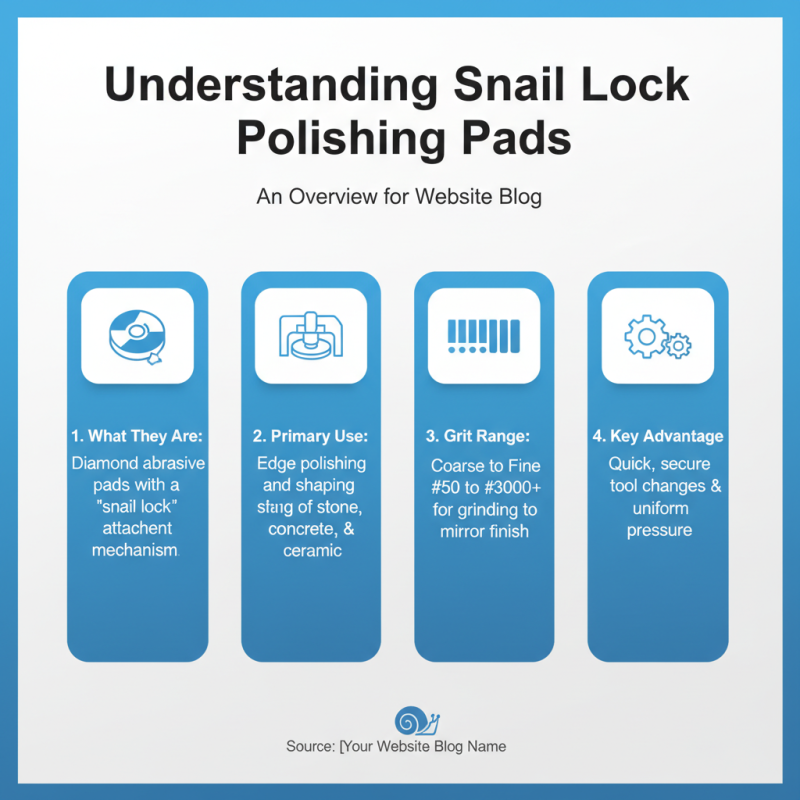
Understanding Snail Lock Polishing Pads: An Overview
Understanding Snail Lock Polishing Pads: An Overview
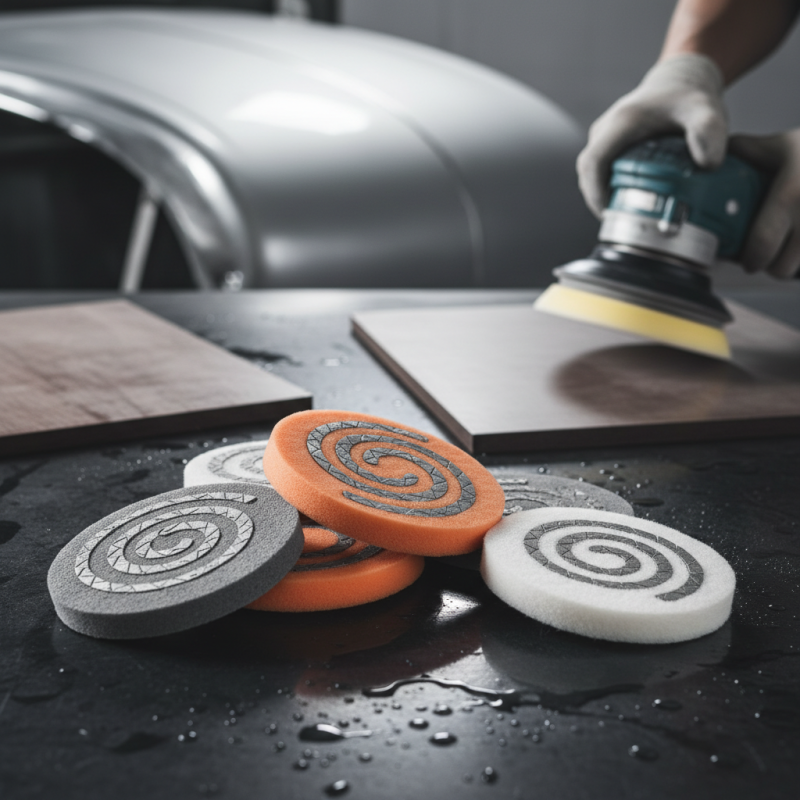
Snail Lock polishing pads have gained popularity due to their efficiency in various polishing applications. These pads utilize a unique design that allows for improved airflow and reduced heat buildup. Recent industry reports indicate that using snorkeling pads can enhance polishing speed by up to 30% compared to traditional pads. This efficiency translates into time saved during jobs, making them a sought-after choice among professionals.
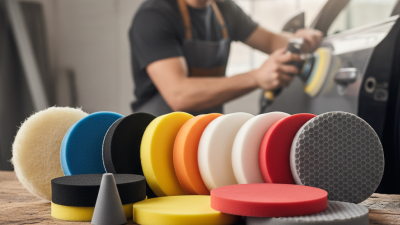
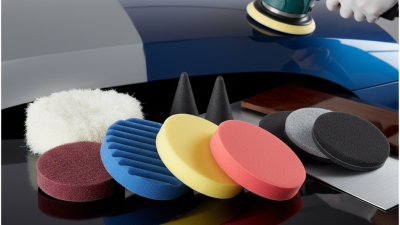
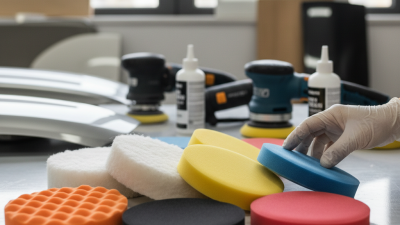
Different materials are used in the making of these pads. Foam and microfiber are common, each offering unique benefits. Foam pads provide a balance between aggressive cutting and finishing, while microfiber pads excel at giving a high-gloss finish. However, not every job requires high gloss. Sometimes, a less aggressive pad can be more effective. It’s essential to evaluate the specific needs of your project, as improper pad choice can lead to subpar results.
Selection criteria are crucial when deciding on a polishing pad. Consider the material of the surface being polished. For hard surfaces, a denser pad may be required. However, using a too aggressive pad can cause scratches. In some cases, users may overlook pad maintenance. Dirty or worn pads can impact polishing outcomes significantly. A regular inspection and cleaning routine can mitigate these issues, ensuring optimal performance.
Key Factors to Consider When Choosing Snail Lock Polishing Pads
When selecting a snail lock polishing pad, several key factors come into play. The material of the pad is crucial. A high-quality foam combined with appropriate abrasives delivers better results. Consider the density of the foam; denser pads withstand pressure without breaking down quickly. This impacts the longevity of your polishing efforts.
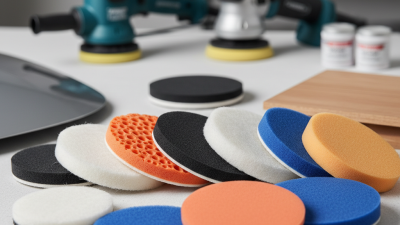
Another critical factor is the pad size. Ensure it fits your polishing machine perfectly. A mismatched size can lead to unbalanced performance, causing streaks or uneven surfaces. Also, examine the thickness of the pad. Thicker pads tend to provide more cushioning, which can be beneficial for achieving finer finishes.
Lastly, reflect on the application. Different tasks require different pads. If you are polishing intricate areas, a softer pad might suit you better. Think about your experience level, too. Are you a novice or an expert? This affects your choice. It's essential to learn from past mistakes to identify the right pad. Consider testing a few options before settling on one.
Types of Snail Lock Polishing Pads and Their Applications
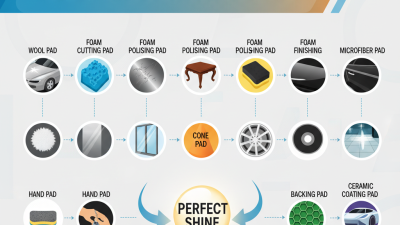
When selecting the right snail lock polishing pad, understanding the types available is crucial. Primarily, there are foam, microfiber, and wool pads. Foam pads are known for their versatility. They can tackle different paint finishes with ease. Microfiber pads offer excellent cutting capabilities. They are perfect for removing scratches and swirls. Wool pads, while aggressive, are best suited for heavy compounding tasks. Each type plays a significant role in achieving the desired finish.
According to a recent industry report, over 65% of professional detailers prefer foam pads for their balance between cutting power and finish quality. However, relying solely on one type may limit results. For instance, using microfiber pads can lead to better precision but may cause some marring on softer finishes. Many experts recommend mixing pad types to maximize efficiency. Serious detailers often keep at least three different pad types on hand to adapt to varying conditions.
Moreover, pad applications extend beyond car detailing. Industries like aerospace and marine also utilize these polishing pads. Their unique formulations cater specifically to the surface materials used in these sectors. Thus, it's essential to consider the specific application to achieve the best outcome. Not all pads will perform similarly across different surfaces, leading many to reassess their polishing strategies frequently.
Tips for Maintaining and Extending the Life of Your Polishing Pad
Maintaining a polishing pad can significantly extend its lifespan.
Regular cleaning is crucial after each use. Dust and debris can build up and impair performance. Wipe the pad with a damp cloth to remove residue. This simple task can prevent long-term damage.
Storage also plays a role in pad longevity. Keep polishing pads in a cool, dry place. Avoid direct sunlight and high humidity, as these conditions can degrade the material.
Storing pads flat, rather than folded, helps retain their shape and functionality.
Pay attention to signs of wear. Fraying edges or a loss of firmness indicate that a replacement may be necessary. Ignoring these signs can lead to ineffective polishing. Lastly, consider periodically rotating your pads. This practice distributes wear more evenly.
Regular inspection and rotation help ensure you get the best results, extending the pad's service life while maintaining performance.
Popular Brands and Product Recommendations for 2026 Snail Lock Pads
Choosing the right snail lock polishing pad is crucial for effective automotive detailing. Various brands offer high-quality options catering to different needs and preferences. When selecting a polishing pad, consider the pad’s density and texture. A softer pad is ideal for finishing, while a firmer pad works well for correction.
Look for pads that are compatible with your polishing machine. This ensures optimal performance and durability. Popular options often include pads made from specialized foam or wool materials. Each type has unique benefits, which can impact the final result of your work. Pay attention to user reviews and recommendations; they provide insight into real-world performance.
While established brands are appealing, newer entrants can offer innovative solutions. Experience is key, and trying different pads may expose you to better choices. This trial-and-error approach helps refine your skills and preferences. Remember that not every product will work perfectly for you. Some pads may wear quickly, while others may not deliver the desired finish. Assessing these factors is essential for improving your detailing process.