Best Concrete Polishing Resin Pads for Global Buyers?
Concrete Polishing Resin Pads have become essential tools for professionals in the construction and flooring industry. These pads enhance the aesthetics and durability of concrete surfaces. With a wide array of options available globally, buyers must navigate carefully.
When selecting the right Concrete Polishing Resin Pads, it's crucial to understand material quality and pad grit. Each pad serves specific functions and floor types. Quality pads can deliver a high-gloss finish, while unsuitable options may lead to unsatisfactory results.
Many buyers face challenges, such as varying product reviews and inconsistent performance. Understanding these aspects is vital. Engaging with experienced contractors for insights can be invaluable. After all, informed choices lead to better outcomes, and industry connections can enhance credibility.
Types of Concrete Polishing Resin Pads Available for Purchase
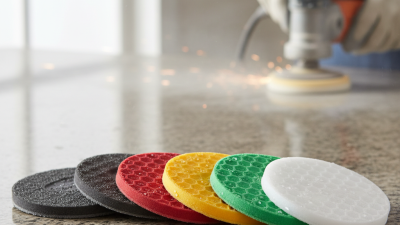
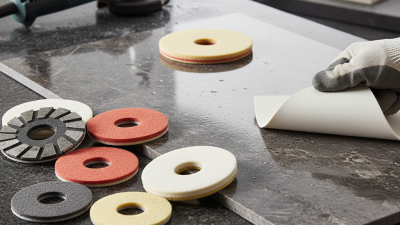
When considering concrete polishing resin pads, a variety of options are available for buyers worldwide. These pads come in different types and grits, suitable for various applications. Generally, you can find bonded pads, diamond pads, and hybrid options. Each type serves distinct purposes based on the finish desired and the surface materials involved.
Bonded pads are typically used for final polishing stages. They produce a glossy finish and are favored for their durability. Diamond pads, on the other hand, are known for their aggressive cutting and surface preparation capabilities. They range from coarse to fine grades, allowing flexibility based on the project requirements. Hybrid pads combine the features of both bonded and diamond pads, bridging the gap between aggressive grinding and fine polishing.
Choosing the right pad can be challenging. Some may require multiple trials to achieve optimal results. It's important to understand surface conditions and desired finish when making a selection. Experimentation can lead to interesting discoveries but may also result in unexpected finishes. Every project presents unique challenges, and learning through those experiences is essential for success.
Best Concrete Polishing Resin Pads for Global Buyers
| Type |
Grit Size |
Dry/Wet Use |
Bond Hardness |
Application Area |
| Standard Resin Pad |
50 - 300 Grit |
Wet |
Medium |
Floor Polishing |
| Turbo Resin Pad |
100 - 400 Grit |
Dry |
Soft |
Rapid Grinding |
| Diamond Resin Pad |
200 - 800 Grit |
Wet |
Hard |
Polished Finishing |
| Resin-Filled Pad |
50 - 150 Grit |
Dry/Wet |
Medium |
Surface Preparation |
| High-Performance Pad |
300 - 1000 Grit |
Wet |
Extra Hard |
Final Polishing |
Factors to Consider When Choosing Concrete Polishing Resin Pads
Choosing concrete polishing resin pads is crucial for achieving a high-quality finish. Buyers should focus on several factors that directly impact performance and longevity. One key aspect is the hardness of the resin bond. Softer resins work well for hard surfaces, whereas harder resins are better for softer concrete. This choice can influence the polishing process and the final appearance.
Another important consideration is the grit level of the pads. Reports indicate that starting with a lower grit, like 50 or 100, can effectively remove scratches. Progressing to higher grits, such as 800 or 1500, delivers a mirror-like finish. However, selecting the right sequence of grits can sometimes be overlooked, which may lead to inefficient polishing or uneven results.
Additionally, compatibility with polishing machines is vital. Achieving optimal pad performance often requires compatibility with specific machine types. Misalignment could cause excessive wear. A study indicates that improper pad-machine synergy can reduce lifespan by up to 30%. Thus, understanding these dynamics is critical in maximizing efficiency and achieving desired outcomes.
Top Brands of Concrete Polishing Resin Pads for Global Buyers
When considering concrete polishing resin pads, several brands stand out. These brands prioritize durability and performance. Their pads are engineered to provide a smooth finish on various concrete surfaces. They cater to different polishing needs, accommodating both residential and commercial applications.
Many users appreciate the versatility of these pads. They can handle uneven surfaces effectively. Additionally, some brands offer specialized pads for different stages of polishing. This allows for greater precision and control, ensuring a high-quality finish. However, not all pads are created equal. Some users report varying experiences, particularly with longevity and wear rates.
Selecting the right pad can be challenging. Factors like grit size and bonding types are crucial. Buyers should assess their specific requirements before making a choice. Gathering reviews and feedback can help inform decisions. Observing the performance in real-world conditions is also essential for a satisfactory outcome. The best pad for one application may not work in another. Therefore, research and testing become vital parts of the buying process.
Comparative Analysis of Resin Pads for Different Concrete Finishes
When evaluating resin pads for concrete finishes, several factors require careful consideration. The type of finish desired plays a critical role in choosing the right pad. For example, polished concrete surfaces often need finer grits to achieve a high gloss. According to industry reports, or finer pads can significantly improve durability and clarity. The right resin bond material can greatly influence the pad's performance.
A recent study revealed that pads with varying grit sizes can impact the longevity of the finish by up to 30%. Many professionals turn to synthetic resins, known for their resilience and ability to withstand high temperatures. However, not all synthetic options are created equal. Variability in material composition can lead to inconsistent results. Moreover, while some pads excel in specific applications, they may not perform well universally.
Furthermore, understanding the concrete's condition is essential. A pad that works on new concrete may not yield the same results on aged or cracked surfaces. Inconsistent results can lead to frustration and increased costs. Feedback from industry veterans emphasizes the importance of testing pads on sample areas before full application. Assessing performance in a real-world setting proves invaluable.
Maintenance Tips for Prolonging the Life of Concrete Polishing Pads
Maintaining concrete polishing pads is essential for their longevity. Proper care extends their life and improves performance. Regular inspection helps identify wear patterns. Look for signs of unevenness or cracks on the surface. These serve as indicators that replacement might be necessary.
Cleaning polishing pads after each use is crucial. Residue can build up and affect their effectiveness over time. Use a soft brush to remove debris and rinse with clean water. Avoid harsh chemicals that can degrade the pad material. Store them in a cool, dry place to prevent unnecessary damage.
Check the compatibility of the pads with different concrete surfaces. Some may wear out faster on specific materials. Experimenting with various techniques can yield better results. Always listen to feedback from users in the field. Their insights often reveal little-known tips for maximizing durability.