2026 Best Stone Polishing Pads for Your Business Needs?
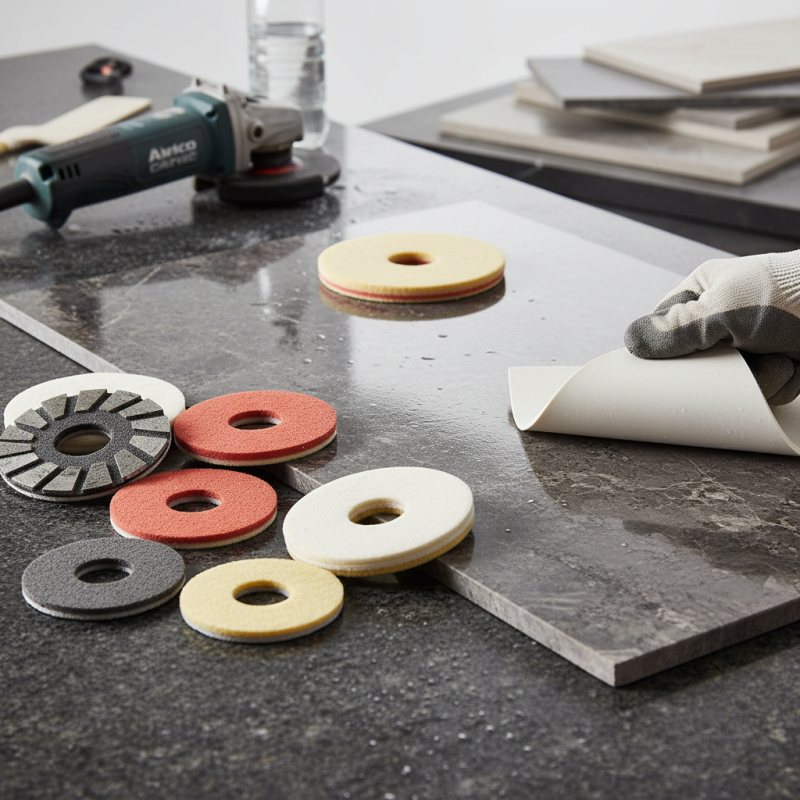
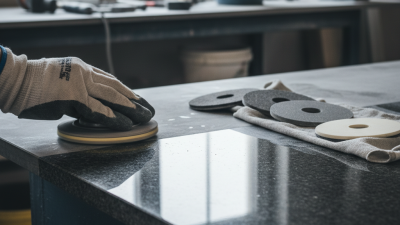
In the world of stone care, choosing the right tools is crucial. Among these tools, Stone Polishing Pads stand out. They are essential for achieving high-quality finishes on various stone surfaces. Your choice of pads can greatly influence the durability and appearance of the stone.
The market is crowded with options, making the decision challenging. Some pads may promise exceptional results but fall short on performance. Understanding the different materials and grits available is key to finding the best fit for your business needs.
Many professionals have faced frustrations with ineffective pads that wear out quickly. Investing in quality Stone Polishing Pads is often overlooked. However, this investment can save time and enhance working efficiency. As you explore the top options for 2026, consider what truly meets your standards.
Understanding the Importance of Stone Polishing Pads in Business
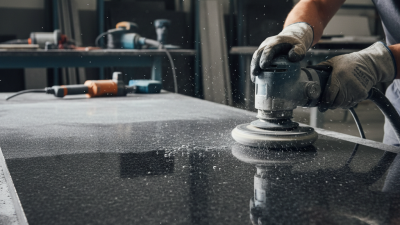
Stone polishing pads play a crucial role in enhancing the appearance and durability of various surfaces. Businesses that deal with stone products understand the importance of high-quality polishing pads. These tools not only improve aesthetics but also increase the longevity of stone installations. When surfaces are polished properly, they resist stains and are easier to maintain.
Investing in the right polishing pads is essential. Using improper pads can lead to surface scratches or inconsistent finishes. It’s important to select pads based on the specific type of stone and the desired finish. Also, be aware of the wear and tear of pads over time. Regularly inspect them for signs of degradation to ensure optimal performance.
Tips: Always test a small area before using a new pad on a large surface. This prevents costly mistakes. Additionally, consider the grit level of your pads. Lower grits are better for heavy material removal, while higher grits perfect the finish. This balance can impact the overall efficiency of your polishing process.
2026 Best Stone Polishing Pads for Your Business Needs
| Pad Type |
Grit Size |
Material |
Application |
Price Range |
| Diamond Polishing Pads |
50 - 3000 |
Diamond |
Granite, Marble |
$20 - $200 |
| Resin Bond Pads |
100 - 800 |
Resin |
Concrete, Marble |
$15 - $150 |
| Ceramic Pads |
200 - 2000 |
Ceramic |
Marble, Limestone |
$10 - $100 |
| Wet Polishing Pads |
50 - 3000 |
Diamond/Resin |
Granite, Quartz |
$30 - $250 |
| Dry Polishing Pads |
100 - 3000 |
Diamond/Resin |
Concrete, Stone |
$20 - $180 |
Types of Stone Polishing Pads: A Comprehensive Overview
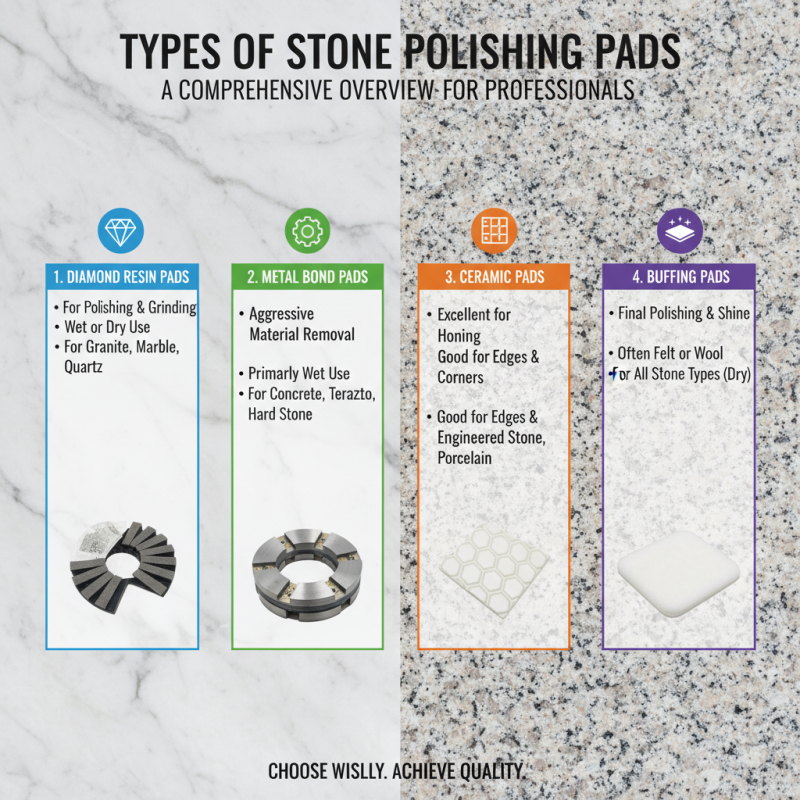
When it comes to stone polishing, choosing the right pads is crucial for achieving high-quality results. There are various types of stone polishing pads available, each designed for specific applications. For professionals, understanding these types is essential to meet diverse business needs.
Diamond polishing pads are a popular choice. They contain diamond particles, offering unmatched durability. These pads are ideal for heavy-duty tasks and can efficiently polish surfaces like granite and marble. However, they can be expensive and may not always provide the desired finish on softer stones.
Felt pads, on the other hand, are softer. They are excellent for creating a high-gloss shine on delicate surfaces. Yet, they wear out quicker than diamond options. It is essential to balance durability and finish quality. Think carefully about the materials you’ll be working with. Each type of pad presents its own challenges, but with practice, your skills will improve. It’s about finding what best suits your needs as you refine your techniques.
Factors to Consider When Choosing Stone Polishing Pads
Choosing the right stone polishing pads is crucial. Several factors can impact your decision. One critical aspect is the material of the pads. Different stones require specific pad types for effective polishing. For instance, softer pads suit softer stones, while harder pads are better for dense materials.
Tip: Always test a small area before full application. This can prevent extensive damage to the stone.
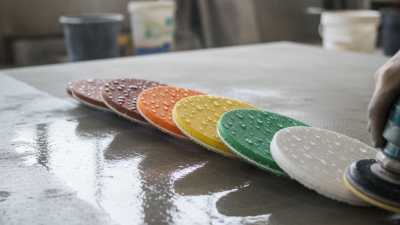
Another important factor is the grit size. Grits vary from coarse to fine. Coarse grits remove material quickly but may leave scratches. Fine grits will enhance the shine but take more time. Assess your project's needs before selecting a grit size to avoid complications in the finishing process.
Tip: Keep various grit sizes on hand. This flexibility can improve your workflow when unexpected challenges arise.
Durability is also vital. Look for pads that withstand regular use without degrading quickly. High-quality pads save money in the long run, even if they come with a higher upfront cost. It’s about weighing immediate expenses against future benefits.
Tip: Regularly inspect your pads for wear. This will help maintain your polishing efficiency and quality.
2026 Best Stone Polishing Pads - Performance Comparison
This chart illustrates the average performance ratings of various types of stone polishing pads as of 2026, helping you make an informed choice based on your business needs.
Top Brands for Stone Polishing Pads in 2026
When selecting stone polishing pads for your business in 2026, understanding the top brands is essential. The stone fabricating industry values quality and performance. Reports indicate that high-quality pads increase efficiency by about 30%. This can drastically affect productivity levels. Each pad's material and design can significantly influence polishing outcomes.
Top brands focus on innovations that enhance durability and performance. Some use diamond-infused technology, which results in smoother finishes. Statistically, over 75% of professionals prefer pads that offer prolonged lifespan and consistent results. Durability often translates to cost-effectiveness, impacting overall expenditure. Additionally, brands providing user-centric designs allow for quicker changes, catering to busy environments.
Despite these advancements, there are still challenges. Not all pads perform well across diverse stone types. Some may excel on granite but fall short on marble or concrete. Not every company realizes the importance of doing a trial run before committing to bulk purchases. The need for adaptability remains crucial in this evolving market landscape. Identifying the right pad involves understanding specific needs and conducting thorough research on each brand's offerings.
Tips for Maintaining and Caring for Your Stone Polishing Pads
Maintaining and caring for your stone polishing pads is crucial for achieving the best results in your stone finishing projects. According to a report by the Stone Fabricators Alliance, improper maintenance can reduce the lifespan of your pads by up to 40%. Regularly inspect your pads for wear and tear to ensure optimal performance.
One key tip is to clean your pads after each use. Utilize a brush or water to remove dust and debris effectively. This simple habit can improve the performance of your pads and prevent contamination. Remember, a clean pad will produce a smoother finish.
Additionally, store your polishing pads in a cool, dry area. High temperatures and moisture can degrade the adhesive and reduce effectiveness. It's recommended to keep them away from direct sunlight and extreme humidity. This will help preserve their lifespan and functionality. Keeping records of pad usage may also provide insights into their performance lifecycle, assisting in better purchasing decisions down the line.