

page_banner

Why Choose Diamond Pads for Superior Surface Finishing?

Choosing the right tools for surface finishing is crucial. Diamond Pads stand out as an exceptional option. Renowned industry expert, Dr. Emily Turner, states, "Diamond Pads provide unparalleled precision and longevity." This insight underscores the advantages of utilizing these advanced materials.

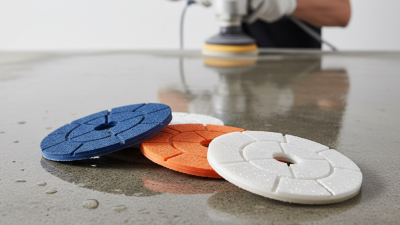
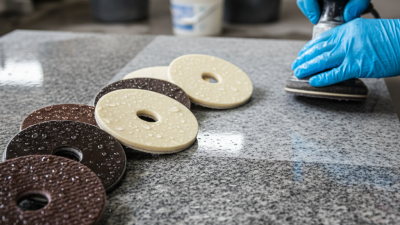
Diamond Pads have unique features that enhance surface quality. They contain industrial diamonds that deliver superior grinding and polishing results. This innovation transforms rough surfaces into smooth finishes efficiently. Many industries rely on these pads for consistent outcomes, helping to maintain high standards in production.

Even with their evident benefits, some users might overlook proper handling techniques. Incorrect usage can lead to suboptimal performance and quicker wear. Adopting the right approach is essential. Understanding the tools and practicing effective techniques can lead to desired results. Embracing quality tools like Diamond Pads can significantly elevate surface finishing processes.
Why Choose Diamond Pads for Superior Surface Finishing?

Understanding Diamond Pads and Their Composition
Why Choose Diamond Pads for Superior Surface Finishing?

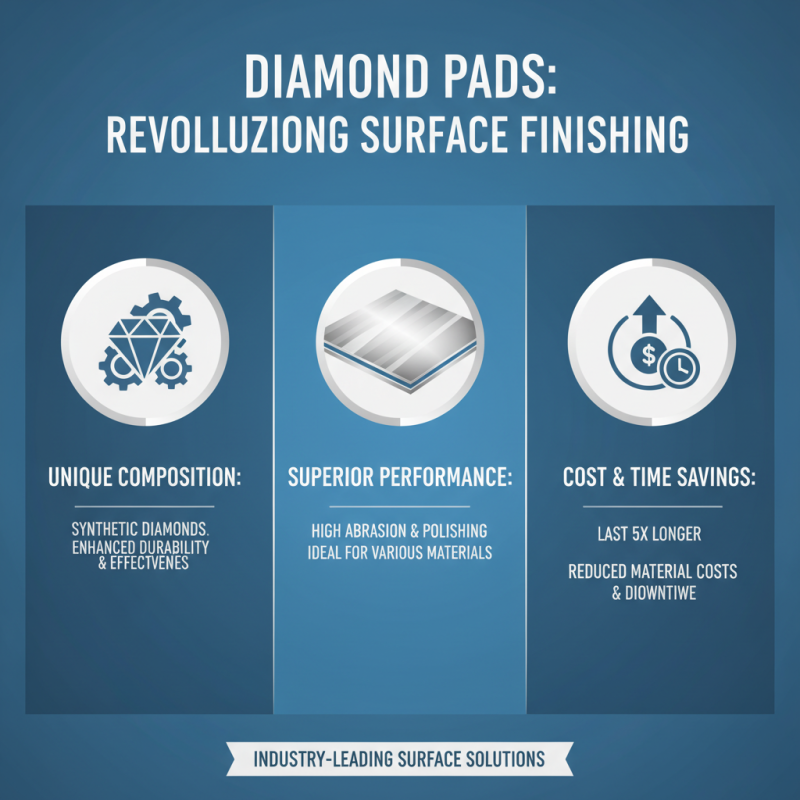
Diamond pads are revolutionizing surface finishing across various industries. Their unique composition, primarily made of synthetic diamonds, dramatically enhances durability and effectiveness. These pads are designed to provide high abrasion and superior polishing, making them ideal for various materials. According to industry reports, diamond pads can last up to five times longer than conventional abrasives, significantly reducing material costs and downtime.

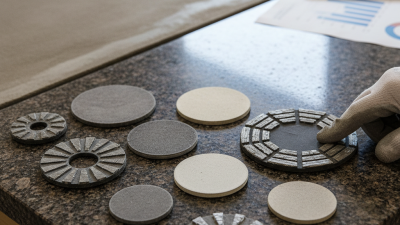
The production of diamond pads involves a careful selection of grain sizes and bonding agents. This leads to pads that are not only robust but also adaptable to different finishing requirements. For instance, some pads are designed for aggressive grinding, while others are optimized for fine polishing. Popular configurations often achieve lower cycle times, which can improve efficiency. However, achieving perfection with these tools requires skill and understanding of their application. Improper usage may cause scratches or uneven finishes, highlighting the learning curve in mastering diamond pad techniques.

In recent studies, it was noted that about 30% of users experienced inconsistencies when first using diamond pads. This indicates a need for training and practice. With continued improvements and proper handling, the industry can maximize the benefits of diamond pads while minimizing the risks of unsatisfactory results.

Advantages of Diamond Pads Over Traditional Finishing Tools

Diamond pads offer numerous advantages over traditional finishing tools, making them a top choice for surface finishing tasks. One major benefit is their durability. Unlike typical abrasives, diamond pads last significantly longer. Even with intense use, they maintain their cutting power, which reduces replacement costs. This longevity is a game-changer for professionals seeking efficiency.

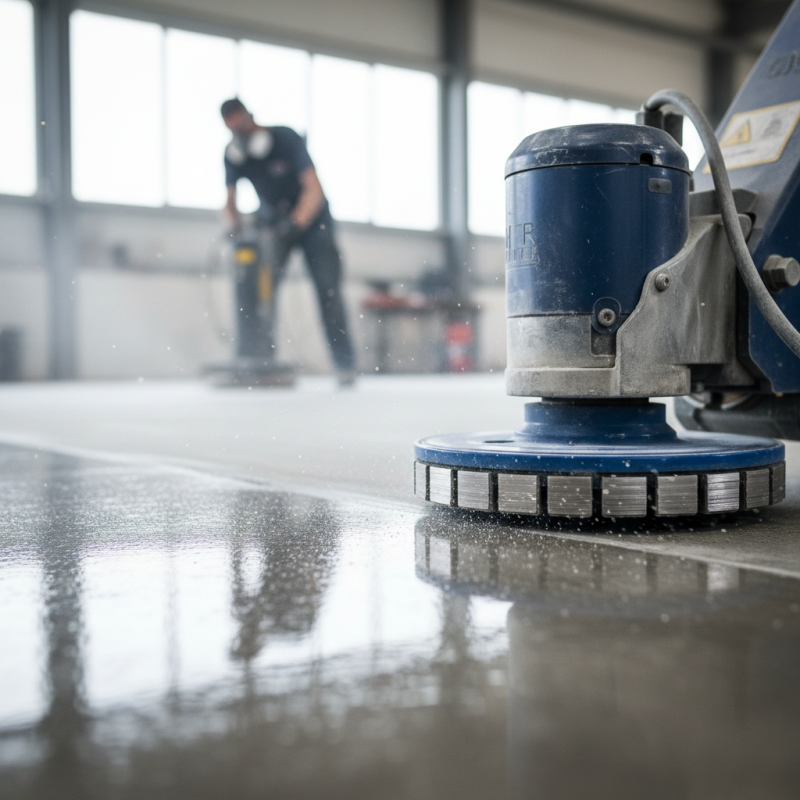
Another compelling advantage is their versatility. Diamond pads work effectively on various materials, including concrete, stone, and even hardwood. This adaptability is essential for contractors and artisans who often encounter different surfaces. Using one tool for multiple applications simplifies the finishing process and saves time.

However, one must also consider potential drawbacks. The initial cost of diamond pads can be higher than traditional options, which might deter some users. Furthermore, improper use can lead to subpar results, such as uneven surfaces or premature wear. Careful training and practice are necessary to maximize their benefits. While diamond pads excel in many areas, they require a commitment to ensure optimal performance.

Why Choose Diamond Pads for Superior Surface Finishing?

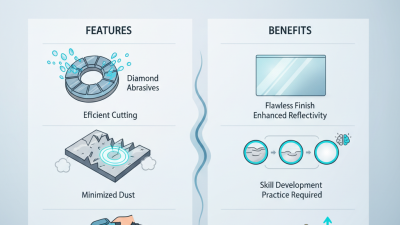
Diamond pads offer remarkable advantages over traditional finishing tools, such as higher durability and superior surface quality. This chart illustrates the key attributes where diamond pads significantly outperform conventional options.

Applications of Diamond Pads in Various Industries

Diamond pads have revolutionized surface finishing across various industries. In manufacturing, these pads excel in polishing metals and composites. A report from the Industrial Diamond Association notes that using diamond pads can reduce finishing time by over 30%. This efficiency is crucial in high-stakes environments like aerospace and automotive sectors, where precision is essential.

In electronics, diamond pads create smooth surfaces on silicon wafers. According to a study by the Semiconductor Manufacturing Research Corporation, using diamond pads can achieve a 90% reduction in surface roughness. Such refinement enhances performance in sensitive electronic devices. The applications extend to stone and concrete industries, providing a superior polish that standard abrasives cannot match.

However, challenges exist with diamond pads. They can be costly to acquire and may require specialized equipment. Not all applications benefit from their use, especially in less demanding contexts. Despite these considerations, the advantages often outweigh the drawbacks. Industries must evaluate their needs carefully, balancing costs with the potential for enhanced product quality.

Techniques for Using Diamond Pads Effectively

Diamond pads are favored for their ability to deliver outstanding surface finishes. To harness their full potential, users must employ effective techniques. One crucial method is to select the appropriate grit size. According to industry reports, using a finer grit can enhance shine while coarser grits are ideal for aggressive material removal. Precision in grit selection enables optimal results for varying surfaces, whether they are concrete, stone, or glass.

Another important technique is controlling the pressure applied during polishing. Excessive pressure can diminish the lifespan of the pads and can lead to uneven finishes. Research indicates that applying moderate pressure not only prolongs pad durability but also improves surface clarity. Furthermore, maintaining a consistent speed during operation contributes to uniform results. Operators often overlook these aspects, leading to frustration and unsatisfactory finishes.

Additionally, proper cleaning of the pads is critical. Residue buildup can adversely affect performance and quality. Routine cleaning increases pad efficiency and reduces the risk of scratch marks. Engaging in periodic maintenance ensures that users optimize their investment in diamond pads. However, many professionals neglect this step, resulting in less-than-ideal surfaces. By focusing on these techniques, users can maximize the effectiveness of diamond pads for superior surface finishing.

Maintenance Tips for Maximizing Diamond Pad Longevity

Diamond pads offer remarkable durability and efficiency for surface finishing, but their longevity relies heavily on proper maintenance. One key tip is to keep the pads clean. Residue buildup can diminish performance. Use water or appropriate cleaning solutions to remove dust and debris. Regular cleaning helps maintain the abrasive surface.

Another critical aspect is storage. After use, store diamond pads in a cool, dry environment. Excessive heat or humidity can degrade the binding resin. Using protective cases can prevent physical damage. Additionally, ensure that the pads are not stacked improperly, as this may cause warping or uneven wear.

It’s essential to monitor the pads for signs of wear. A pad may not show visible damage but could still be less effective. Replacing them at the right time is vital for optimal finishing results. Regular assessments will help you make informed decisions about their usability and prolong their service life. Investing time in their upkeep ultimately leads to better performance and results.