Best Wet Diamond Polishing Pads for Superior Finishing?
When it comes to achieving that perfect finish, the choice of tools is crucial. "Wet Diamond Polishing Pads" stand at the forefront of this process. According to industry expert Dr. Jane Thompson, "The right polishing pads can transform your surface finish from ordinary to extraordinary." Her insights reflect the significant impact that these tools have on various materials.
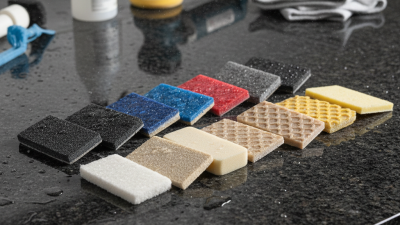
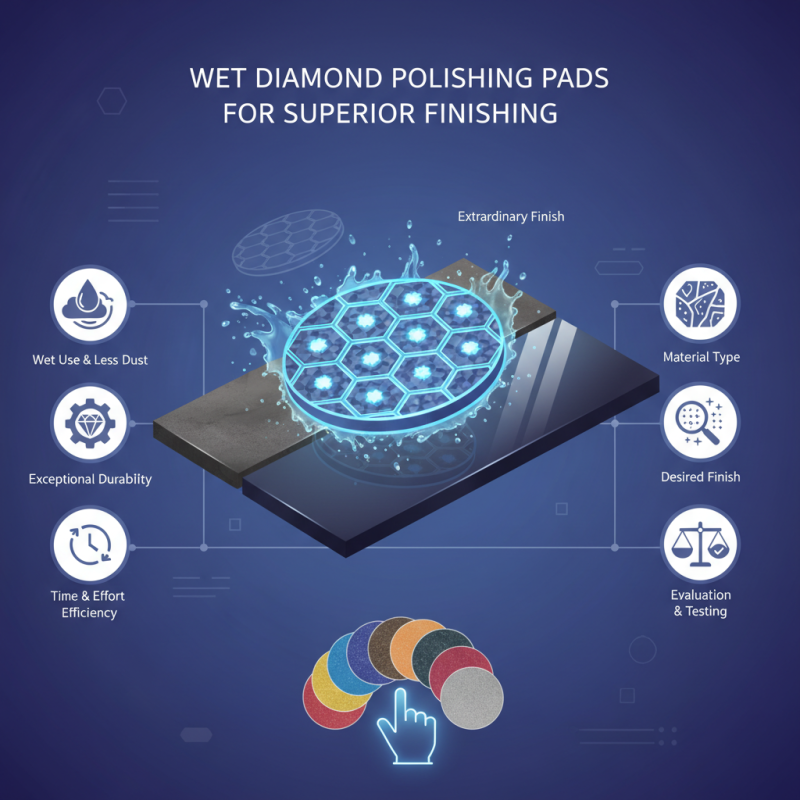
These pads are specially designed for wet use, ensuring smoother results and less dust. The diamond particles embedded in the pads provide exceptional durability, leading to a superior shine. In practical settings, the right Wet Diamond Polishing Pads can make a noticeable difference in time and effort. However, not all pads are created equal. Many users find themselves overwhelmed by choices, often leading to frustrations in finding the ideal match for their specific needs.
It's essential to consider not only the type of material you're working with but also the desired finish. While some polishing pads may excel in specific applications, they may fall short in others. Therefore, careful evaluation and testing are often necessary. Ultimately, understanding the nuances of Wet Diamond Polishing Pads can lead to impressive results, but it requires knowledge and experience to select the best option.
Best Wet Diamond Polishing Pads: An Overview of Industry Standards
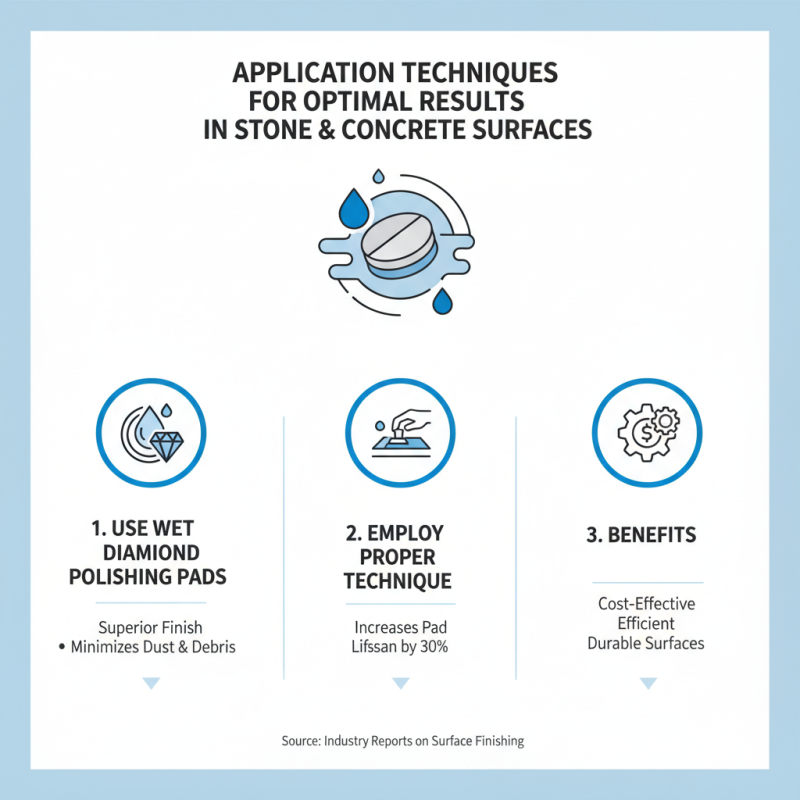
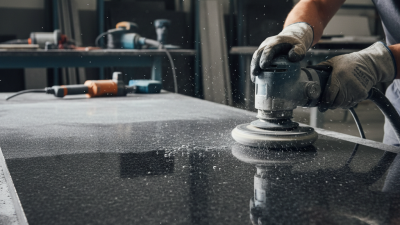
When selecting wet diamond polishing pads, it's essential to understand the industry standards that govern their performance. These pads are designed to provide a smooth and reflective finish on various surfaces. They are especially popular in stone and concrete polishing applications. Various factors contribute to their quality, including the diamond concentration, grit size, and pad materials.
The level of durability plays a crucial role as well. Some pads wear out quickly, losing their effectiveness in the process. A reliable pad should withstand repeated use without degrading too rapidly. Additionally, the right water flow and pressure during polishing are vital for optimal results. Users often underestimate the impact of these variables, leading to frustrating outcomes.
It's important to acknowledge that not all pads meet the same quality standards. Some may leave scratches while others may not achieve the desired shine. Understanding these nuances can help you make informed decisions. The landscape of polishing pads is continuously evolving. Newer materials and technologies enter the market frequently, presenting both opportunities and challenges for users. Being aware of these innovations can ultimately enhance your polishing experience.
Understanding Grit Levels: How They Affect Polish Quality and Finish
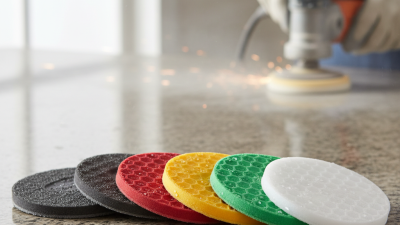
Choosing the right grit level of wet diamond polishing pads is crucial for achieving a high-quality finish. Grit levels indicate how coarse or fine the pad is. Lower grit numbers, like 50 or 100, are designed for aggressive material removal. They work well for initial grinding but can leave scratches on the surface. In contrast, higher grit numbers, such as 400 to 3000, provide a smoother, more polished finish. They refine the surface without the harsh marks left by coarser pads.
Understanding how grit levels affect the finish is vital. Each stage of polishing builds upon the last. Skipping grits or using incorrect ones can lead to undesirable results. For example, using a 3000 grit directly after a 100 may not yield the shine you're after. Patience is important. Rushing through the polishing process often leads to lifts in the finish and uneven surfaces. Consistency in using multiple grit levels brings about that superior polish quality.
In practice, imperfections are inevitable. A highly polished surface may still exhibit minor flaws. A critical eye is necessary during the polishing process to assess the finish. Noticing these imperfections can guide you to adjust your technique. Embracing this trial-and-error journey helps perfect your skills over time. Each experience, even less-than-perfect results, contributes to your expertise in achieving optimal finishes.
Best Wet Diamond Polishing Pads for Superior Finishing
This chart illustrates the relationship between different grit levels of wet diamond polishing pads and their corresponding polish quality scores. As the grit level increases, the polish quality improves, reaching optimal scores at higher levels.
Key Features of High-Performance Wet Diamond Polishing Pads
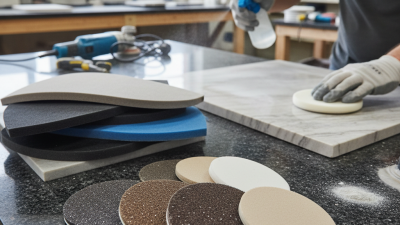
When looking for wet diamond polishing pads, several key features define high performance. Quality pads are often made from industrial-grade diamonds, ensuring durability and effectiveness. They excel in achieving a smooth finish on various surfaces, including granite, marble, and concrete. The grit levels vary, allowing users to select the right one for their specific task, from coarse grinding to fine polishing.
Another crucial aspect is the presence of a flexible backing. This feature allows the pads to conform to different shapes and edges. It enhances effectiveness and ensures consistent results. Moreover, good wet diamond polishing pads are designed for efficient water retention. This helps in cooling the surface and reducing dust, leading to a cleaner workspace. Longevity is also essential, as higher-quality pads tend to last longer, saving time and resources in the long run. However, the initial investment may seem significant, prompting some users to hesitate.
Optimizing polishing efforts requires understanding material compatibility. Some pads may work better with specific surfaces than others. Users should be prepared for trial and error to discover the perfect match for individual projects. This can be frustrating, but it is part of the learning process. Attention to detail is vital when assessing your needs. The ideal pad not only improves surface quality but also enhances the overall aesthetics of the finished product.
Comparative Analysis: Popular Brands and Their Performance Metrics
When it comes to wet diamond polishing pads, performance metrics are key. Industry reports show that the efficiency of a polishing pad is often measured by its grit level and durability. Most high-quality pads range from 50 to 3000 grit. The right choice depends on the specific surface material and desired finish.
Comparative studies indicate that pads made from resin bond are popular for their flexibility. They tend to provide a smoother finish, especially on hard surfaces like granite or concrete. However, users should be aware that softer pads may wear out faster. This wear can impact productivity. For instance, a report from a leading flooring association suggests that selecting the wrong grit can lead to an inconsistent finish, requiring additional work in the long run.
Moreover, user feedback has highlighted that not all brands perform the same under wet polishing conditions. Some pads may produce swirl marks, necessitating a second pass. While one brand might excel with a higher grit, another may lack in longevity. This inconsistency showcases the importance of thorough testing and the need for adjustments based on specific project requirements. Understanding these nuances is essential for achieving superior results.
Best Wet Diamond Polishing Pads for Superior Finishing
| Pad Type |
Abrasive Grit |
Durability (Hours) |
Water Resistance |
Finishing Quality |
| Soft Pad |
50 |
30 |
Yes |
Excellent |
| Medium Pad |
100 |
40 |
Yes |
Very Good |
| Hard Pad |
200 |
50 |
Yes |
Good |
| Extra Hard Pad |
400 |
60 |
Yes |
Fair |