Top 10 Best Brushes for Every Type of Artist?
Choosing the right brush can significantly impact your artistic journey. Brushes come in various shapes, sizes, and materials, each designed for specific purposes. Artists often feel overwhelmed with choices, and that's understandable. The right brush helps express creativity effectively.
In this exploration of the top 10 best brushes, we focus on individual needs. Different art forms demand unique tools. A watercolorist may require soft bristles, while an oil painter benefits from firmer brushes. Understanding these differences can enhance your skills and foster better outcomes in your artwork.
Reflecting on personal experiences with brushes reveals how vital they are. Some brushes may not meet expectations and can cause frustration. Others may surprise you with their versatility. Embrace the learning process and explore various options to find the brushes that resonate with your artistic vision.
Types of Artists and Their Unique Brush Needs
Every artist has unique needs, especially regarding brushes. Oil painters often seek stiff bristles for blending pigments. Synthetic brushes excel in maintaining shape, making them ideal for detailing work. In a survey by the Art & Design Institute, 78% of oil painters stated that the right brushes significantly improve their ability to work with various textures.
Watercolor artists, on the other hand, prefer soft, absorbent bristles. They require brushes that can hold water and pigment effectively. A report from the Art Materials Manufacturers Association highlighted that 65% of watercolorists prioritize flexibility and softness in their brush selection. This allows for gentle washes and detailed line work, crucial for this medium.
Acrylic painters may need versatility. Brushes with a range of stiffness can serve for both fine details and broader strokes. Interestingly, 72% of acrylic artists experiment with different brushes to achieve specific effects, according to recent findings from Creative Arts Research. This experimentation can lead to not only frustration but also breakthroughs in their work, making choosing the right brush a pivotal step for every artist.
Top 10 Best Brushes for Every Type of Artist
| Artist Type |
Brush Type |
Material |
Recommended Size |
Technique |
| Painters |
Flat Brush |
Synthetic |
1"-2" |
Acrylic Painting |
| Watercolorists |
Round Brush |
Squirrel Hair |
Size 6-10 |
Watercolor Techniques |
| Illustrators |
Liner Brush |
Synthetic |
00-2 |
Detail Work |
| Calligraphers |
Bristol Brush |
Goat Hair |
4-6 |
Calligraphy |
| Makeup Artists |
Foundation Brush |
Synthetic |
Flat or Angled |
Application |
| Textile Artists |
Stencil Brush |
Natural Bristle |
1"-3" |
Fabric Painting |
| Acrylic Artists |
Fan Brush |
Synthetic |
Size 2-6 |
Texture Creation |
| Mixed Media Artists |
Angle Brush |
Synthetic |
1"-1.5" |
Layering |
| Graphic Designers |
Detail Brush |
Synthetic |
0-2 |
Digital or Traditional Illustration |
Essential Features of Brushes for Various Art Mediums
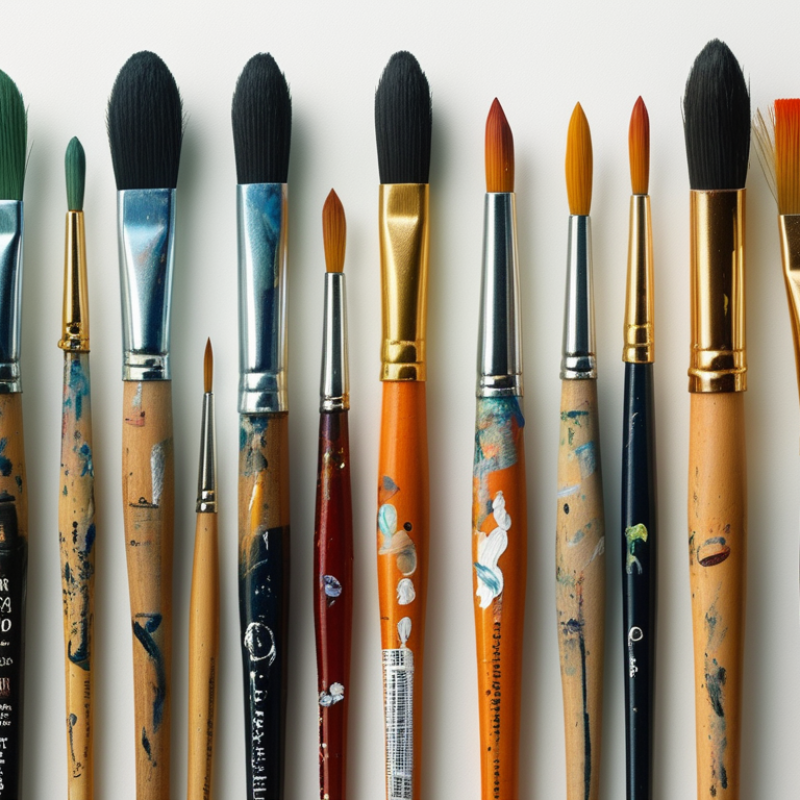
When selecting brushes for art, understanding the unique features required for various mediums is crucial. For example, oil painters often prefer stiff bristles that hold pigment well. These brushes allow for heavy application and bold strokes. In contrast, watercolor artists typically opt for softer, more flexible brushes. These softer bristles help create delicate washes and fine details without disturbing the paper.
It’s vital to consider brush shape as well. Flat brushes suit broad strokes, while round brushes are ideal for detail work. Research indicates that nearly 70% of artists find brush shape directly influences their painting styles and techniques. Additionally, the material of the brush is a key factor. Natural hair brushes provide superb fluidity and paint retention, appealing to professionals. Synthetic brushes, however, are more durable and easier to clean, making them a common choice for beginners.
Many artists encounter challenges while selecting the right brushes. Some may find the learning curve steep when adapting to different brush types. It's essential to experiment with various shapes and materials. This exploration can reveal personal preferences and enhance the quality of work. Each artist’s journey is unique, and understanding these essential features can lead to more satisfying artistic experiences.
Top Brush Brands Preferred by Professional Artists
When exploring the world of art, the right tools can make all the difference. Artists often prefer brushes based on their unique styles and techniques. Many professional artists lean towards brands recognized for their quality and craftsmanship. These brands have become synonymous with reliability in the art community.
Each brush type serves a distinct purpose, from fine detail work to broad strokes. Professional artists can find a range of options that cater to every need. The bristles may vary, affecting the paint application and texture. It's fascinating how the choice of a brush can change an artist's approach. There’s, however, a learning curve when selecting the right tools. Artists sometimes experience frustration as they figure out what best suits their technique.
Quality brushes can be an investment. Some artists may struggle with the durability of less expensive options. Investing in better brushes can yield long-term benefits, but it's crucial to test various types to see what feels right. Each brush has its quirks, which may not always align with an artist's style. This exploration can lead to valuable insights and growth in an artist's journey.
Top 10 Best Brushes for Every Type of Artist
This chart represents the popularity rating of different types of brushes used by artists. Each type of brush has its unique application, contributing to its popularity among various artistic practices.
Guidelines for Choosing the Right Brush Size and Shape
Choosing the right brush can greatly influence your artwork. Different brush sizes and shapes serve various purposes. For detail work, a fine round brush is ideal. Conversely, flat brushes work well for broad strokes. Understanding these distinctions can enhance your technique significantly.
When selecting brushes, consider the medium you are using. Watercolor artists often prefer softer bristles. Acrylic and oil painters might require stiffer brushes. Experimenting with various shapes can yield surprising results. A fan brush could create unique textures, while a filbert brush offers versatility.
Don't overlook the handle length, as it affects your grip. A shorter handle offers control, while a long handle provides more freedom of movement. Keep in mind that the quality of bristles matters too. Synthetic fibers may not perform like natural hair. It’s essential to test these combinations to find what suits your style best. Reflection on your choices can lead to growth as an artist.
Care Tips for Maintaining Your Art Brushes in Top Condition
Proper care for art brushes is essential for maintaining their longevity and performance. Regular cleaning is the cornerstone of brush maintenance. After each use, gently clean brushes with soap and water to remove paint residue. For oil paints, use solvent-based cleaners. This helps prevent bristles from hardening, which can ruin their shape. Rinse thoroughly until the water runs clear.
Storing brushes also plays a vital role in their upkeep. Avoid placing brushes in water for extended periods, as this can weaken the adhesive holding the bristles. Instead, store them upright in a holder or case, with bristles facing up. This keeps the bristles in shape and protected from dust. However, remember that even the best storage solutions may not prevent wear over time.
Additionally, it’s important to pay attention to the bristles. Inspect them regularly for signs of damage. A frayed bristle can affect your work. If you notice some brushes losing their shape, consider reshaping them while they dry. Taking the time to care for brushes can seem tedious, but it ultimately enhances your artistic process. Each brush tells a story of creativity, which is worth preserving.