How to Properly Brush Your Teeth for Optimal Dental Health?
Brushing your teeth is a fundamental practice for maintaining dental health. Many people underestimate its importance. Using a proper technique can significantly affect your oral hygiene. You should aim to brush at least twice a day. This helps remove plaque and prevent cavities.
Many hold a toothbrush in a way that leads to ineffective cleaning. Instead of a vigorous scrubbing motion, a gentle approach is more beneficial. Focus on each tooth with small, circular motions. Don't forget to brush your tongue. This step is crucial for fresh breath and overall cleanliness.
Although many are aware of the basics, misconceptions persist. Some believe that more pressure means better cleaning. This is not true and can harm your gums. Remember, it's about quality, not quantity. Your brushing routine should adapt to your personal needs. Regularly evaluate your technique for optimal results.
Understanding the Importance of Proper Tooth Brushing
Tooth brushing is more than just a daily routine. It's essential for maintaining dental health. Proper brushing helps remove plaque, preventing cavities and gum disease. Neglecting this simple act can lead to serious issues. Many brush their teeth but lack effective techniques. It’s not just about the toothpaste; it’s about how you use it.
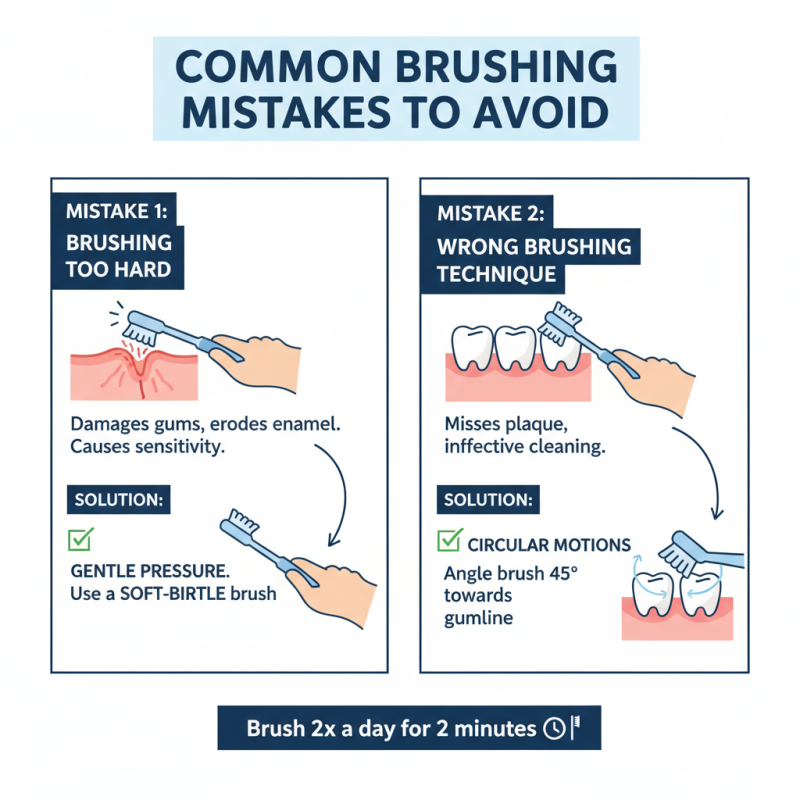
The technique matters. Hold the toothbrush at a 45-degree angle. Use gentle circular motions to clean each tooth. Many people forget to reach the back teeth, where plaque often hides. Failing to brush for the full two minutes is common. This can leave harmful bacteria to thrive. Regularly changing your toothbrush can also greatly impact effectiveness.
Reflect on your routine. Are you rushing? Are you focusing on your gum line? Sometimes, we may overlook these crucial aspects. Ensure consistency in your brushing habits. Think about your diet too; sugary foods can undermine efforts. Simple adjustments can significantly enhance your dental hygiene.
How to Properly Brush Your Teeth for Optimal Dental Health?
| Step |
Description |
Time (minutes) |
Frequency (per day) |
| 1 |
Wet the toothbrush and apply a fluoride toothpaste. |
1 |
2 |
| 2 |
Hold the toothbrush at a 45-degree angle to the gums. |
1 |
2 |
| 3 |
Gently move the brush back and forth in short (tooth-wide) strokes. |
2 |
2 |
| 4 |
Brush the outer surfaces, inner surfaces, and chewing surfaces of each tooth. |
2 |
2 |
| 5 |
Use the tip of the brush to clean the inside surfaces of the front teeth. |
1 |
2 |
| 6 |
Spit out the toothpaste and rinse your mouth with water. |
1 |
2 |
Choosing the Right Toothbrush and Toothpaste
Choosing the right toothbrush and toothpaste is crucial for maintaining optimal dental health. A good toothbrush should have bristles that are soft yet effective. Hard bristles can damage your enamel and gums. Try to select a toothbrush that fits comfortably in your hand and mouth. The right size allows you to reach all areas easily. Electric toothbrushes can also be beneficial, as they provide consistent movement for better cleaning.
Toothpaste choice is equally important. Look for fluoride toothpaste, which helps strengthen tooth enamel. However, some may find fluoride too harsh. In that case, a natural alternative can be considered, though it might not offer the same cavity protection. Pay attention to the flavor and texture as well. A toothpaste that you enjoy using will encourage regular brushing.
Reflection is important here. Many individuals use the same toothbrush for too long. This can reduce its effectiveness. Replace your toothbrush every three months or sooner if the bristles fray. Using the wrong toothpaste can lead to sensitivity. Experimenting with different options may help you find what works best. Regular visits to a dental professional can also guide your choices.
Step-by-Step Guide to Brushing Technique
Brushing your teeth effectively is vital for dental health. Research shows that 70% of adults do not brush properly. This simple task can protect you from cavities and gum disease.
Start by choosing a soft-bristled toothbrush. Hold it at a 45-degree angle to your gums. Gently move the brush in a circular motion. Aim for two minutes of brushing. Divide your mouth into four sections and spend 30 seconds on each. Don't forget to brush your tongue; bacteria can thrive there.
Most people rush their routine. This often leads to missed spots. According to a study, 50% of adults neglect their back teeth. Focus on areas where plaque builds up. Regular check-ups will help identify trouble spots. Remember, using the right technique is key for optimal results.
Common Mistakes to Avoid While Brushing
Brushing your teeth seems simple, but many common mistakes can hinder optimal dental health. One frequent error is brushing too vigorously. Many people believe that hard brushing cleans better, but this can harm your gums. A gentle approach with a soft-bristle toothbrush is more effective. This method removes plaque without causing damage.
Another common mistake is neglecting the timing. Many brush their teeth for less than the recommended two minutes. Short brushing sessions may miss areas, leading to plaque buildup. Using a timer can help ensure you brush long enough each time.
People often forget to replace their toothbrushes regularly. A worn-out brush does not clean effectively. Aim to change yours every three to four months. Lastly, many rush through the process and forget to brush their tongue. Bacteria can linger there, affecting breath and overall oral health. Taking extra time to clean the tongue can make a significant difference.
Maintaining Your Toothbrush and Routine for Best Results
Maintaining your toothbrush is crucial for dental health. Regularly replace your toothbrush every three months. If bristles are frayed, it’s time for a new one. A worn brush won’t clean effectively. Ensure you rinse your toothbrush after each use. This helps remove toothpaste and debris. Store it upright in a holder, away from other brushes. This prevents contamination.
Your brushing routine matters too. Use a pea-sized amount of toothpaste. Focus on gentle, circular motions. Brush for at least two minutes. Don’t rush this process. When was the last time you timed yourself? You might be surprised. Brush at least twice a day. If you miss morning or night, your dental health suffers.
Consider your technique. Are you brushing too hard? This can wear down enamel and irritate gums. Pay attention to the back teeth, where food often lingers. Flossing should accompany your brushing. Many overlook this step, but it’s essential for removing plaque between teeth. A consistent routine can lead to a brighter smile and healthier gums. Analyze your habits regularly to ensure effectiveness.
Brushing Frequency vs. Dental Health Index