Top Wet Diamond Polishing Pads for Ultimate Surface Finish Solutions?
In the world of surface finishing, Wet Diamond Polishing Pads have gained significant attention. Renowned expert John Smith, a leader in polishing technologies, emphasizes, "Choosing the right pads can dramatically affect the final outcome." His words resonate with professionals across various industries.
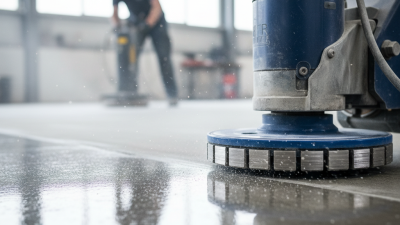
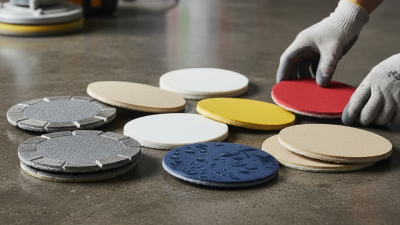
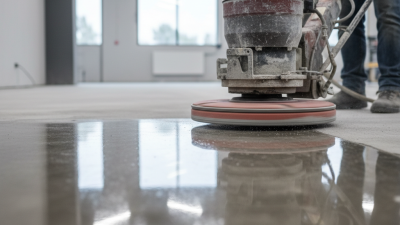
Wet Diamond Polishing Pads are essential tools for achieving a perfect finish on surfaces. These pads offer an efficient solution for polishing concrete, granite, and other hard materials. The fine diamond particles ensure a high-quality shine that is difficult to achieve with traditional methods. However, many users find it challenging to select the right pads for their specific needs.
Furthermore, not all Wet Diamond Polishing Pads are created equal. Different applications require different types of pads, and the learning curve can be steep. Users often overlook important specifications, leading to suboptimal outcomes. This underscores the importance of understanding the unique capabilities of each pad. Investing time in research and expertise can prevent expensive mistakes and enhance overall surface quality.
Top Features of Wet Diamond Polishing Pads for Surface Finishing
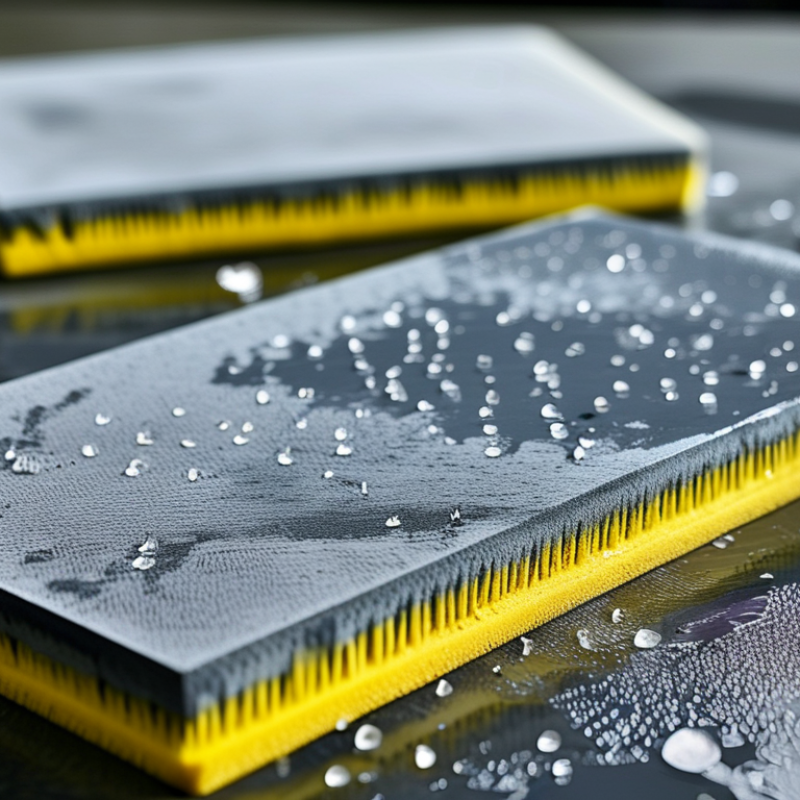
Wet diamond polishing pads are essential tools for achieving superior surface finishes on various materials. Their unique features enhance efficiency and effectiveness in polishing tasks. These pads excel in producing high-gloss finishes on stone, concrete, and other surfaces.
One key feature is the diamond concentration. A higher concentration offers faster material removal and smoother finishes. These pads also come in different grit levels, enabling users to select the right one for their specific needs. The flexibility of the pads allows them to conform to uneven surfaces, ensuring consistent results. However, users must be cautious about the right water usage. Insufficient water can lead to pad wear and suboptimal finishes.
Another important aspect is the durability of the pads. High-quality pads withstand rigorous use, but not all products meet this criterion. Frequent use can reveal limitations in some pads, leading to quicker degradation. Proper maintenance is crucial for achieving desired results. Regularly cleaning the pads enhances performance, but neglect can result in poor finishes and wasted materials. Overall, selecting the right wet diamond polishing pads requires careful consideration of these features and ongoing reflection on performance.
Comparison of Grit Sizes and Their Impact on Polishing Results
When it comes to polishing surfaces, grit size plays a crucial role. The variety of grits available impacts the final finish significantly. Coarse grits, such as 50 and 100, remove material quickly. They are ideal for shaping and repairing surfaces. However, they may leave visible scratches requiring further refinement. This is a common challenge in achieving a perfect finish.
In contrast, medium grits like 200 and 400 provide a balance. They smooth out rough surfaces while still allowing for some material removal. Yet, even with these, the user might notice imperfections that remain. The importance of the transition from coarse to fine grits cannot be overlooked. This gradual polishing process ensures an even finish without deep marks.
Fine grits, such as 800 and above, are essential for achieving a glossy finish. They polish surfaces to a mirror-like appearance. However, relying solely on fine grits can lead to other issues. For instance, they may not effectively remove scratches left from coarser pads. Users need to consider the full range of grits for optimal results. Each grit size serves a purpose, but the transition between them requires careful attention.
Top Wet Diamond Polishing Pads for Ultimate Surface Finish Solutions
| Grit Size |
Surface Finish Quality |
Best For |
Typical Applications |
| 50 Grit |
Coarse |
Aggressive Material Removal |
Concrete Grinding, Surface Prep |
| 100 Grit |
Medium |
General Polishing |
Marble, Granite, Natural Stones |
| 200 Grit |
Fine |
Surface Smoothing |
Polished Concrete, Stone |
| 400 Grit |
Very Fine |
High Gloss Finishing |
Granite, Quartz, Marble |
| 1000 Grit |
Ultra Fine |
Polishing to Perfection |
High-End Countertops, Glass Finishing |
Industry Standards for Wet Diamond Polishing Pad Durability
Wet diamond polishing pads play a crucial role in achieving high-quality surface finishes in various industries. Their durability is measured against established industry standards. Reports indicate that top-performing pads often exceed a lifespan of 100 hours when used on concrete surfaces. This durability is essential for maintaining productivity and reducing operational costs. Failure to select durable pads can lead to increased downtime and higher replacement costs.
A recent study highlighted that polishing pads with superior diamond retention can reduce wear by up to 40%. This statistic emphasizes the importance of investing in high-quality materials. Many users overlook this, opting for lower-cost alternatives that may not withstand rigorous applications. The wear rate can dramatically influence the final finish of the surface. Inadequate pads may leave scratches or uneven textures, creating additional labor to rectify.
It’s crucial to consider the water flow as well. Proper water management can influence both pad longevity and surface quality. When pads operate in optimal wet conditions, they perform better, reducing friction and heat generation. However, many operators fail to ensure adequate water supply during polishing, leading to premature wear. Regular checks and adjustments can help preserve both the equipment and the surfaces being worked on.
Top Wet Diamond Polishing Pads Durability Comparison
Effectiveness of Different Water Usage Techniques in Polishing
Water plays a critical role in polishing with diamond pads. Different water usage techniques yield varying results. Some technicians prefer continuous water flow, believing it enhances lubrication and prevents overheating. Others may choose intermittent spraying, which can reduce water waste and keep the workspace drier.
The effectiveness of water can depend on the surface material. For instance, marble may require more water than granite. Observing the polishing process allows for adjustments. Technicians may notice that too much water can lead to an uneven finish. Conversely, too little can cause scratches.
Reflecting on one's technique can unveil areas for improvement. Frequent evaluation of water usage helps enhance overall results. Each project demands a unique approach. The interplay of water with diamond pads should be carefully managed to achieve the best surface finish without compromising the integrity of the material.
Recent Advancements in Diamond Technology for Polishing Pads
Recent advancements in diamond technology have revolutionized the realm of polishing pads. Modern wet diamond polishing pads leverage enhanced diamond matrix designs. This innovation allows for improved durability and efficiency. Surface finishes achieved with these pads are now more consistent and smooth than ever before. Users experience faster cutting rates without compromising the quality of the surface.
Moreover, these advancements have made the pads suitable for a variety of materials. Whether working on concrete, marble, or granite, the versatility of these diamond pads is remarkable. However, it is essential to consider the choice of bonding agents used in these pads. Some may not perform well under certain conditions, leading to uneven finishes. It’s a reminder that technology has limitations and requires careful selection based on specific tasks.
The demand for high-quality finishes continues to grow in various industries. As professionals seek reliable solutions, understanding the intricacies of diamond pad technology becomes crucial. Evaluating the pad’s grit, thickness, and flexibility can significantly affect the polishing process. Awareness of these factors aids in achieving optimal results. Staying updated on advancements allows users to make informed choices, boosting productivity and overall satisfaction.