2026 How to Choose the Best Sponge Pad for Your Needs?
In the evolving world of cleaning supplies, the Sponge Pad stands out for its versatility and efficiency. According to a recent industry report by Market Research Future, the global market for sponge pads is projected to reach $2.5 billion by 2026. This growth reflects the increasing demand from both households and commercial spaces. Industry expert Dr. Emily Carson emphasizes, “Choosing the right Sponge Pad can enhance cleaning effectiveness and durability.”
The variety of sponge pads available can be overwhelming. Each pad has unique features tailored to specific cleaning tasks. Consumers must consider materials, absorbency, and intended use before making a decision. The right Sponge Pad not only improves cleanliness but can also streamline the entire cleaning process. However, many consumers still face confusion when selecting their ideal pad.
There are concerns about the environmental impact of certain sponge pads as well. Some options are not biodegradable, raising questions about sustainability. Reflecting on individual cleaning needs is essential to make a responsible choice. Striking the balance between efficiency and eco-friendliness can be challenging. It's important to stay informed about various products to ensure that choices align with both personal and environmental values.
Understanding Sponge Pad Types and Their Uses
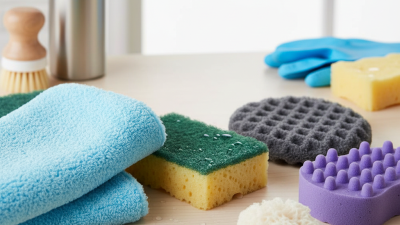
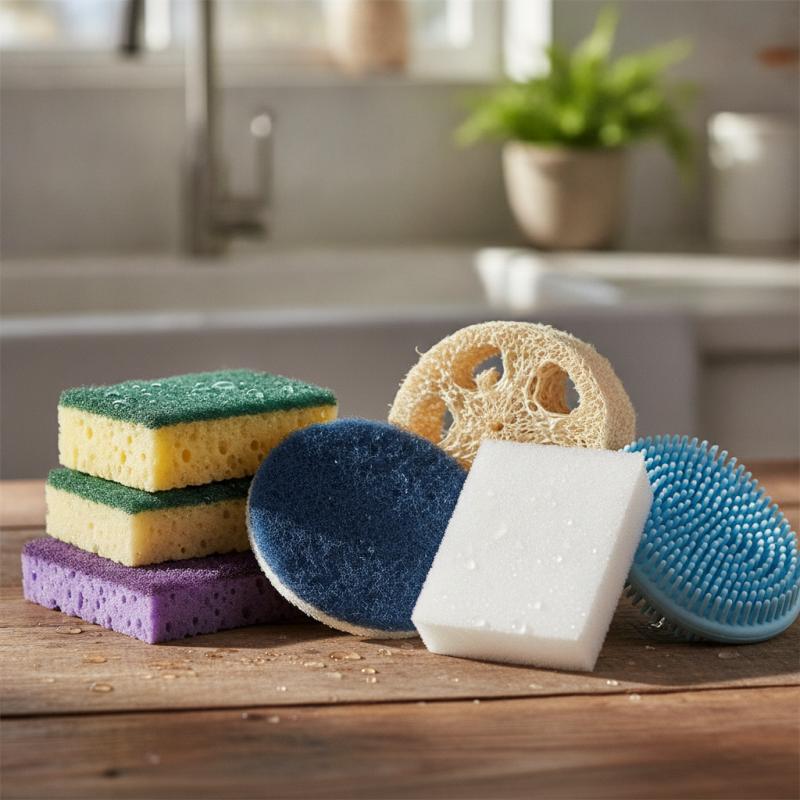
When selecting the best sponge pad, it’s essential to understand the various types available. Sponge pads come in several forms, each designed for specific tasks. Open-cell sponge pads are often used for absorbency. They are lightweight and flexible, perfect for cleaning spills. Closed-cell sponge pads offer more durability and resistance to moisture. These pads are frequently utilized in applications requiring stability and support.
A recent industry report indicates that the cleaning sponge market is projected to grow by 5% annually. This growth reflects rising consumer awareness about hygiene. The right sponge pad can make a significant difference in task efficiency. Moreover, it’s important to note that not all pads perform equally in all settings. Some may pose challenges like quick degradation under harsh conditions, leading to a need for frequent replacements.
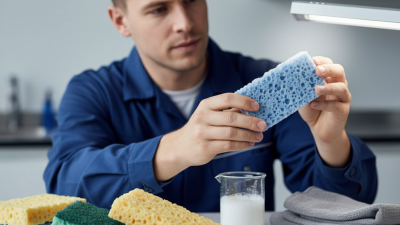
Choosing a sponge pad also involves considering material safety. While many sponge pads are designed for multiple uses, their life spans can vary. Misunderstanding their intended purpose may lead to inefficiencies. Research indicates that users often pick the wrong type for their needs, resulting in wasted resources. It's crucial to evaluate both the task at hand and the pad's specifications carefully.
Determining the Right Thickness and Density for Your Needs
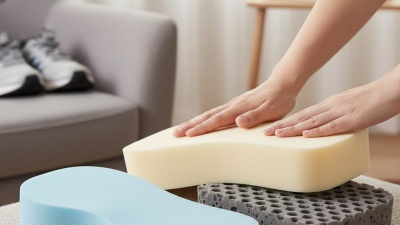
Choosing the right thickness and density of a sponge pad is essential for comfort and support. Thickness influences how much cushioning you receive. For instance, thinner pads, around one inch, offer less cushion but better stability. On the other hand, thicker pads, up to three inches, provide more softness but can lead to sinking, which may not be ideal for everyone.
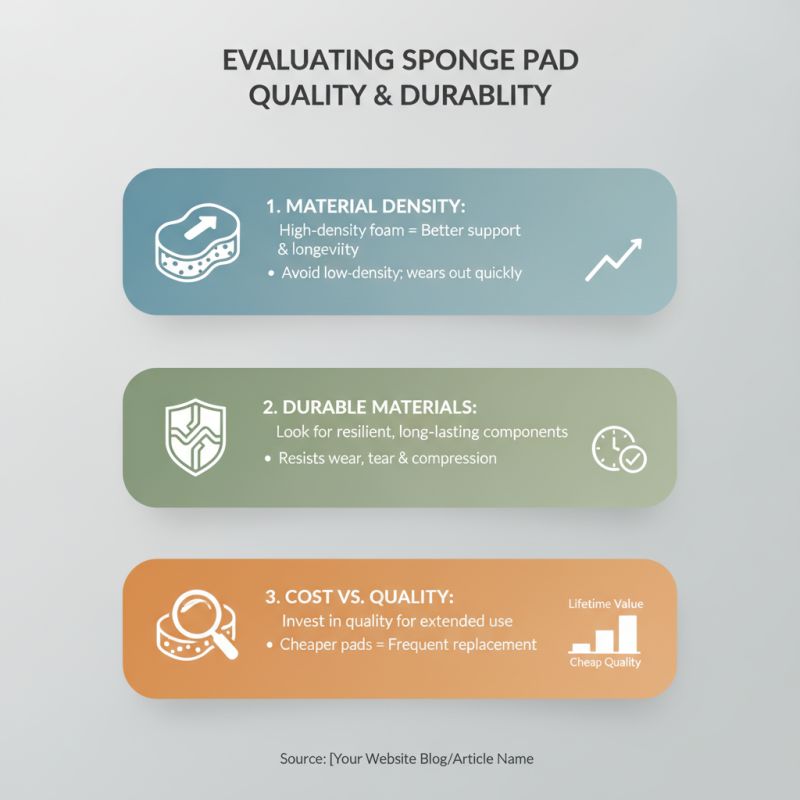
Density is another crucial factor. High-density sponge pads last longer and offer better support. They retain their shape well and resist wear. Lower-density options feel softer but may compress quickly. If you're unsure, testing different density levels can be enlightening. You might prefer a softer feel initially, but discover that a firmer pad suits your needs more after a few uses.
Reflecting on personal preferences is vital. Your specific requirements may change over time. What feels perfect today might not offer the same comfort months later. It's a good practice to revisit your choice periodically. Adjusting based on your current activities or physical conditions can lead to improvement in comfort and performance.
2026 How to Choose the Best Sponge Pad for Your Needs? - Determining the Right Thickness and Density for Your Needs
| Sponge Pad Type |
Thickness (inches) |
Density (lbs/ft³) |
Ideal Use |
| Soft Foam |
2 |
1.8 |
Gentle cushioning for delicate items |
| Medium Density Foam |
1.5 |
2.5 |
General purpose, good balance of comfort and support |
| High Density Foam |
1 |
3.0 |
Support for heavier items or prolonged use |
| Gel Infused Pad |
2.5 |
2.0 |
Temperature regulation while maintaining comfort |
| Memory Foam Pad |
3 |
4.0 |
Personalized support, ideal for varied body shapes |
Comparing Price Points: Budget vs. Premium Sponge Pads
When selecting a sponge pad, cost is a significant factor. Budget sponge pads are often more affordable. They can meet basic needs for cleaning, but they may lack durability. These pads might wear out quickly, leading to more frequent replacements.
On the other hand, premium sponge pads are typically more expensive. They often feature better materials that enhance longevity and performance. With premium options, you might find superior absorbency and less fraying. However, investing more upfront doesn't always guarantee satisfaction for everyone. It’s important to evaluate how you plan to use the sponge.
Sometimes, the cheapest option disappoints in quality. A pad that seemed affordable might end up costing more in the long run. Think about how often you use it. Do you need something that can handle tough jobs? If so, it may be worth considering a mid-range pad. Reflecting on your specific needs can guide you to the right choice, whether budget or premium.
Comparing Budget vs. Premium Sponge Pads
This chart illustrates the average price comparison between budget sponge pads and premium sponge pads. Budget sponge pads typically cost around $10, while premium options can reach about $25.
Tips for Proper Maintenance and Care of Sponge Pads
When it comes to sponge pads, proper maintenance is essential for longevity and effectiveness. Regular cleaning can prevent the buildup of grime and bacteria. Use warm water and mild detergent to wash the sponge pad after each use. This simple step helps maintain its performance and hygiene.
Here are some tips for care. Rinse the sponge thoroughly after washing. Squeeze out excess water gently, avoiding twisting it too harshly. This technique can protect the sponge’s structure. Consider air drying the sponge in a well-ventilated area. Sunlight can help eliminate odors and bacteria, but prolonged exposure can wear it down.
Inspect your sponge pad regularly. Look for signs of wear or damage. If a sponge feels rough or loses its shape, it may be time to replace it. Remember, not every sponge can last indefinitely. Reflecting on your usage habits can lead to better choices. Each sponge will have its unique lifespan based on its use and care.