Sponge Pad Tips for Optimal Performance and Durability?
In the world of cleaning and maintenance, "Sponge Pad" technology has become essential. Expert Alex Thompson, a renowned specialist in cleaning tools, emphasizes, "The right sponge pad can enhance cleaning efficiency dramatically." A sponge pad is more than just a simple tool; it is a vital component that affects performance and durability.
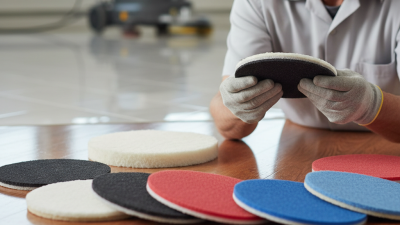
Understanding the best practices for using sponge pads can transform how we clean. Sponge pads come in various materials and designs, each serving a unique purpose. When selected wisely, they can significantly reduce effort and time spent on cleaning tasks. Yet, improper use can lead to early wear or inefficiency. Many users overlook this aspect.
Choosing the ideal sponge pad is a learning process. It requires attention to detail and a willingness to adapt. Regular evaluation of the pad's condition ensures optimal performance. In this evolving field, the continuous sharing of knowledge is crucial. Proper maintenance and awareness can prevent common mistakes.
Understanding Sponge Pad Composition and Functionality
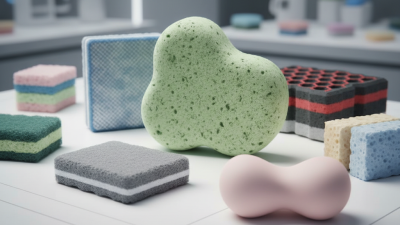
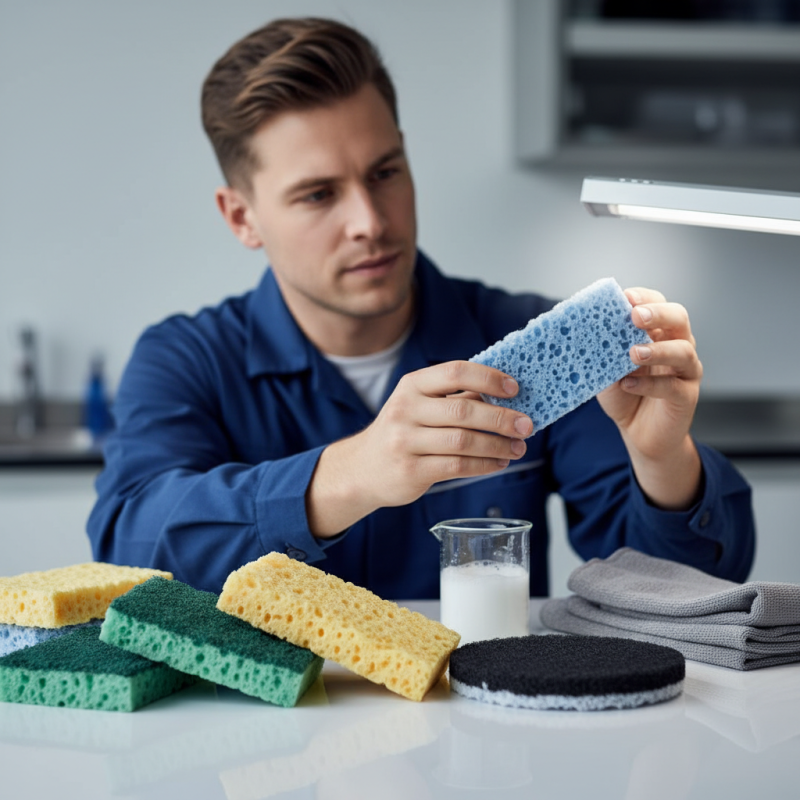
When choosing sponge pads, understanding their composition is crucial. Typically, these pads are made from polyurethane or latex. Each material offers unique properties. Polyurethane pads are water-resistant and durable. In contrast, latex pads provide excellent elasticity. According to industry reports, around 70% of users prefer polyurethane for its longevity in various applications.
Functionality is equally important. Sponge pads serve multiple purposes, from absorbing spills to providing cushioning. A study found that sponge pads could absorb up to 15 times their weight in liquid. This makes them exceptionally useful in both household and industrial settings. However, not all sponge pads perform as expected. Some may deteriorate quickly under heavy use. Regular maintenance is essential to ensure their longevity and performance.
Many users overlook the importance of choosing the right density. Higher density pads may offer better durability, but they also come at a cost. It's a balance of performance and budget. Understanding these factors can lead to better product selection. Reflecting on user experience can highlight potential areas for improvement in sponge pad design and usability.
Choosing the Right Sponge Pad for Your Needs
Choosing the right sponge pad can significantly impact performance and durability.
Consider the sponge's material and density. A denser sponge typically lasts longer and performs better in
high-pressure situations. A report from the Global Sponge Market indicates that
medium- to high-density sponge pads show a 30% increase in lifespan compared to their
low-density counterparts.
Next, think about the specific tasks you'll perform. For heavy-duty cleaning, thick
and coarse pads are ideal. They can handle greater abrasiveness but might not be suitable for delicate surfaces.
In contrast, softer pads work better on sensitive materials and can prevent scratches.
According to industry research, 45% of users report using the wrong sponge type,
leading to damage. This oversight often results in the need for more frequent replacements.
Lastly, don’t overlook maintenance. Regular cleaning of sponge pads can extend their life. A study found that neglected
pads tend to degrade up to 50% faster. Users who regularly rinse and dry their sponges
report at least 25% better performance. Finding the right balance between a sponge's
durability and your specific tasks is essential for optimal use.
Maintenance Tips for Enhanced Sponge Pad Longevity
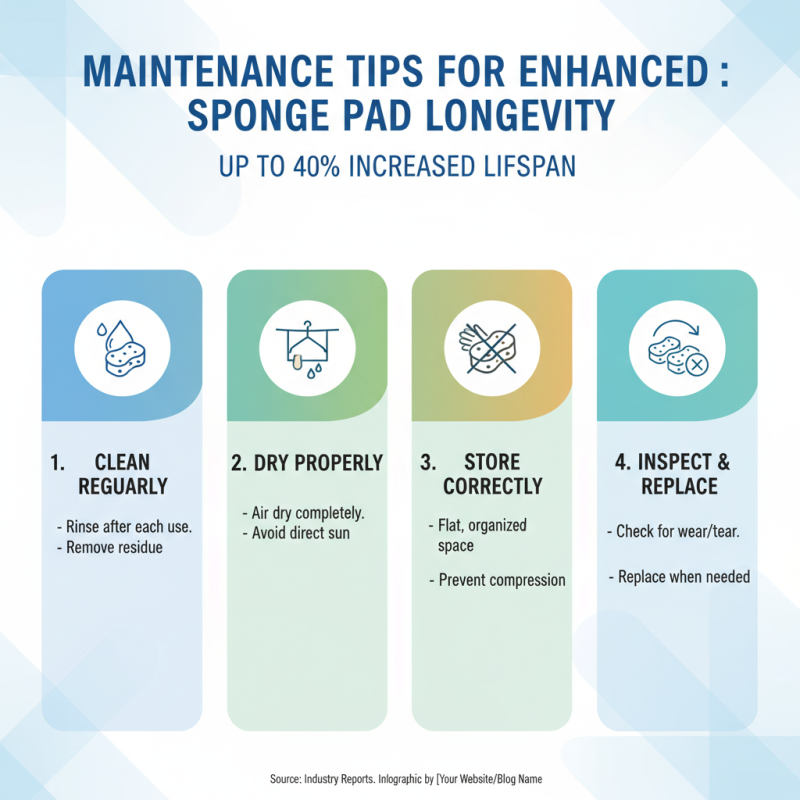
Maintaining sponge pads is essential for their longevity and performance. According to recent industry reports, proper maintenance can increase the lifespan of sponge pads by up to 40%. Here are some valuable tips to enhance durability.
Regular cleaning is critical. Sponge pads tend to accumulate dirt and grime, which can degrade their structure. Rinse them thoroughly after each use. Avoid harsh chemicals; they can damage the material. Instead, opt for mild soap and warm water. Allowing the pads to air dry completely prevents mildew and odor. Leaving them damp can reduce their performance.
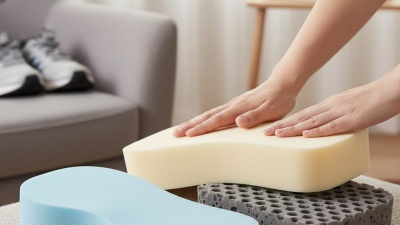
Storage also plays an essential role. Store sponge pads in a cool, dry location; this helps maintain their integrity. Avoid compressing them under heavy items, as this might lead to deformation. It's surprising how many users neglect proper storage despite its impact on durability.
Another tip is to check for signs of wear regularly. If you notice tears or degradation, consider replacing them. It's tempting to stretch their life, but doing so can affect the quality of work. Following these maintenance tips can lead to a significant improvement in the lifespan of sponge pads. Embracing simple actions leads to better performance.
Common Issues with Sponge Pads and How to Address Them
Sponge pads are popular for various tasks, but they can come with issues. One common issue is wear and tear. Overuse can lead to fraying and decreased absorption. It's important to replace them regularly to maintain effectiveness. Look for signs of damage before using them.
Another frequent problem is odors. Sponge pads can trap food particles and moisture, leading to unpleasant smells. To combat this, soak the pad in a mixture of vinegar and baking soda. This not only cleans but also neutralizes odors. Dry it thoroughly before storage to prevent mold growth.
Lastly, improper cleaning can cause bacteria buildup. Many people overlook a thorough wash after use. Rinse the sponge pad well with hot water and allow it to air dry in a well-ventilated area. This simple step boosts hygiene. Being mindful of these details will improve the lifespan and performance of sponge pads.
Best Practices for Cleaning and Storing Sponge Pads
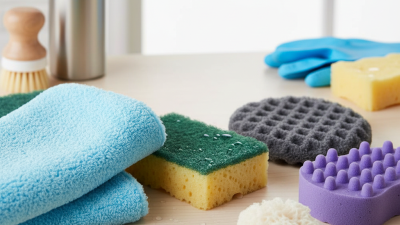
Cleaning sponge pads effectively can significantly enhance their performance and longevity. According to a study by the American Cleaning Institute, regularly cleaning sponges can reduce bacterial levels by over 90%. Rinsing your sponge well after each use and using a mild detergent can help remove food particles and bacteria. Avoid using harsh chemicals, as they may damage the sponge material.
Storing sponge pads correctly is equally important. Keep sponges in a dry place, as moisture fosters bacterial growth. The Environmental Protection Agency suggests using a clean, dry spot, away from direct sunlight. Stuffing sponges in a closed container can trap moisture. Instead, opt for a well-ventilated area.
Using the microwave to sanitize sponges has gained popularity. Research shows that microwaving damp sponges for two minutes can kill most bacteria. However, be cautious. Some sponges may contain materials that can be harmful when heated. Regularly inspect your sponges for signs of wear. Frayed or discolored sponges should be replaced. Regular maintenance and thoughtful storage can ultimately increase the life of your sponge pads.