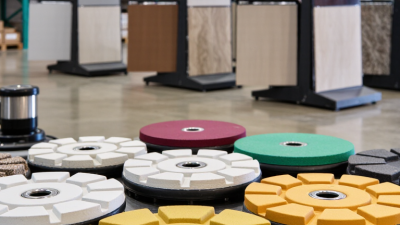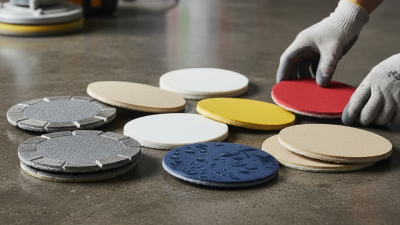


Selecting the right Concrete Polishing Resin Pads can influence surface quality, production time, and operating costs. Buyers often focus on grit numbers, but performance depends on more than grit alone. Concrete hardness, aggregate exposure, moisture, machine speed, and operator technique all affect the result. Small details matter.
This guide examines the Top 10 Types of Concrete Polishing Resin Pads for different project conditions. It considers standard resin pads, hybrid designs, wet-polishing pads, dry-polishing pads, transitional pads, and specialized solutions for edges or difficult surfaces. Each type offers practical advantages, yet none performs perfectly in every situation. A pad that cuts quickly on soft concrete may glaze over on dense concrete. The reverse can also happen.
Real workshop experience suggests testing a small area before purchasing in bulk. Check the scratch pattern under bright light. Feel the surface after cleaning. Watch for excessive heat, uneven wear, or resin loading between segments. These signs reveal more than a product label.
Cost deserves careful attention. A cheaper pad may wear faster and create extra labor. An expensive pad may be unnecessary for a short repair or low-exposure finish. Product specifications, supplier support, and consistent manufacturing also deserve review. Some comparisons remain imperfect because concrete varies widely between sites. That limitation should not be ignored.
The following overview helps buyers compare cutting behavior, finish quality, lifespan, compatibility, and value. It aims to support informed decisions, not promise one universal solution. Good results still depend on testing, adjustment, and honest evaluation.
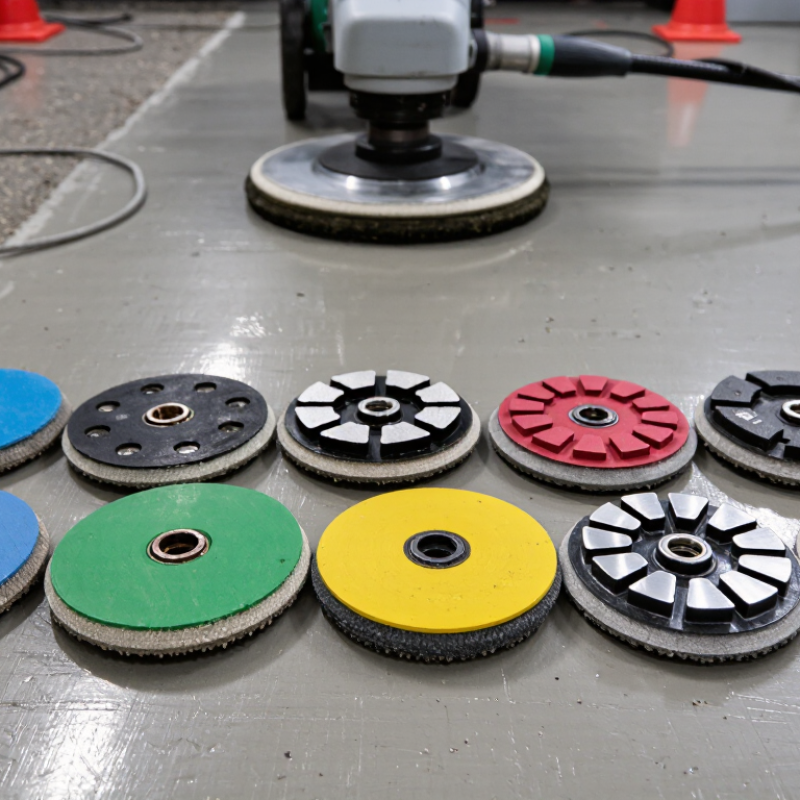
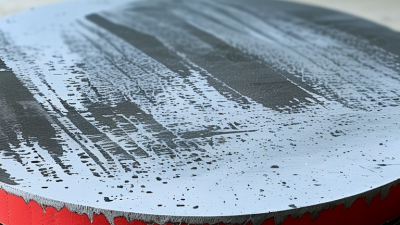
Concrete polishing resin pads are flexible abrasive tools used after metal grinding. Their cutting surface contains diamond particles held inside a resin bond. As the pad rotates, these particles remove scratches and refine the concrete surface. The resin wears gradually, exposing fresh diamond edges.
Pad performance depends on grit size. Coarse grits remove visible grinding marks, while finer grits create a smoother, more reflective finish. Common options range from approximately 30 grit to 3,000 grit. Each stage leaves smaller scratches than the previous one. Skipping a stage often produces cloudy areas or uneven gloss.
Wet polishing reduces dust and cools the working surface. Dry polishing is faster to prepare, but it requires effective dust control. Concrete hardness, aggregate exposure, moisture, and machine speed also affect results. A soft slab may clog a pad, while hard concrete can make a weak resin cut painfully slowly. That matters.
Experienced contractors usually test a small area before selecting a full pad sequence. They check scratch depth, heat buildup, and edge behavior. Results are rarely perfect on the first pass. Sometimes, a finer pad hides defects instead of removing them. That is a useful warning. Buyers should compare pad durability, cutting speed, intended grit, and wet or dry compatibility rather than choosing by price alone.
Concrete polishing resin pads vary by bond, grit, cooling method, and finishing purpose. The ten main types are hybrid, soft-bond, hard-bond, wet-use, dry-use, transitional, ceramic-resin, metal-resin, edge, and burnishing pads. Hybrid pads balance cutting power and surface refinement. Soft-bond pads work well on dense concrete. Hard-bond pads are better for softer floors that release more aggregate. Wet-use pads rely on water to control heat and slurry. Dry-use pads support cleaner preparation and faster site movement.
Transitional pads remove metal-tool scratches before resin polishing begins. Ceramic-resin pads often cut aggressively while leaving a more manageable scratch pattern. Metal-resin pads provide strong correction but may need careful pressure control. Edge pads reach corners and wall lines where large machines cannot work. Burnishing pads create a higher sheen after the main resin stages. Not every floor needs all ten types.
A practical selection starts with a small test area. Check the scratch pattern under side lighting. Examine the surface after cleaning, not while slurry hides defects. Experienced operators also watch pad temperature, dust load, and machine pressure. A pad that works well on one slab may struggle on another. I would not treat grit numbers as universal standards. That assumption can fail. Excessive pressure may darken the floor, clog the resin, or create uneven gloss. Record the pad type, speed, passes, and floor response. These details make later corrections more reliable.
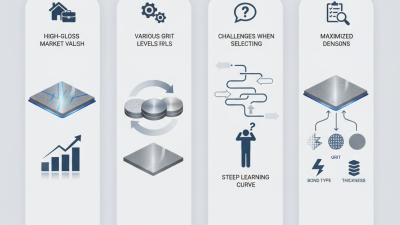
Representative grit ranges commonly used for concrete polishing resin pads. Lower grits are used for earlier refinement, while higher grits are used for final polishing. Exact grit availability varies by supplier and abrasive standard.
The ranges are intended as a practical buying reference rather than a performance ranking. Wet, dry, hybrid, edge, and hand pads are selected according to the equipment, concrete condition, dust-control method, and polishing stage.
Top 10 Types of Concrete Polishing Resin Pads for Buyers
Resin pad performance starts with bond hardness, grit size, and shape. These factors decide cutting speed, heat control, and surface clarity. Harder bonds suit soft, abrasive concrete because they resist rapid wear. Soft bonds usually work better on dense concrete, where diamonds need more exposure. On a 400-grit pad, the wrong bond can leave scratches or polish slowly.
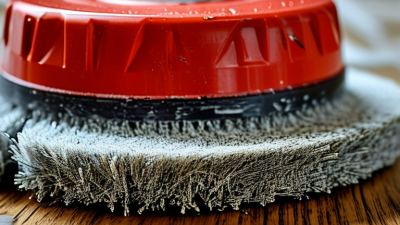
Grit controls the visible transition between grinding stages. Low grits remove scratches and minor lippage quickly. High grits refine the surface and improve reflectivity. However, skipping grits often leaves curved scratches that appear after sealing. Shape matters too. Round pads provide steady contact across open floors. Segmented shapes can improve slurry release and cooling. Smaller edge pads reach corners, but they may create uneven pressure. Wet and dry designs also behave differently, so check the pad’s intended use.
Tips: Test one small area first. Record the bond, grit, speed, and passes. Keep the machine moving. Watch the floor, not only the pad. I have seen operators blame grit when uneven pressure caused the real problem. That mistake is common. It is worth reviewing. Use clean water for wet polishing and remove slurry before it dries. For dry work, control dust and inspect the surface under strong side lighting. 马会
Buyer comparison guide for selecting resin diamond pads according to concrete hardness, polishing stage, desired finish, and operating method
| No. | Resin Pad Type | Typical Grit Range | Resin Bond Characteristics | Common Shape | Recommended Concrete Condition | Cutting Performance | Typical Finish or Use | Relative Life |
|---|---|---|---|---|---|---|---|---|
| 1 | Hybrid Transition Pad | 30–50 grit | Resin blended with metal or ceramic components. Provides a controlled transition from aggressive tooling to resin polishing. | Round or segmented | Floors after metal-bond grinding, including surfaces with visible scratches. | High initial cut | Removes coarse scratch patterns and prepares the floor for standard resin stages. | Medium |
| 2 | Soft-Bond Coarse Resin Pad | 16–30 grit | Relatively soft resin releases diamond particles quickly, helping maintain cutting action on hard, dense concrete. | Segmented or slotted | Hard concrete, high-strength slabs, and floors that resist conventional resin pads. | Very high cut | Fast scratch removal and surface refinement during early polishing stages. | Low to medium |
| 3 | Medium-Bond General-Purpose Pad | 30–100 grit | Balanced resin hardness and diamond exposure. Offers a compromise between cutting speed, control, and service life. | Round, segment, or button | Medium-hard concrete and mixed commercial floors with average aggregate exposure. | High cut | General scratch removal and consistent preparation for finer grits. | Medium to high |
| 4 | Hard-Bond Coarse Resin Pad | 30–100 grit | Harder resin holds diamond particles longer and reduces premature wear on softer, more abrasive concrete. | Segmented or full-face | Soft, porous, or highly abrasive concrete containing sand and soft aggregate. | Moderate cut | Stable early-stage polishing with improved pad longevity on abrasive floors. | High |
| 5 | Fast-Cut Slotted Resin Pad | 50–200 grit | Open slots improve debris clearance and reduce loading. The design supports aggressive contact while helping control heat. | Slotted or spiral-grooved | Large areas, dusty conditions, and floors where resin loading is a concern. | High cut | Efficient removal of scratches, slurry residue, and minor surface imperfections. | Medium |
| 6 | Standard Round Polishing Pad | 100–400 grit | Uniform resin coverage provides predictable contact and an even scratch pattern across broad floor areas. | Solid round or segmented round | Regularly prepared concrete requiring progressive dry or wet polishing. | Moderate cut | Intermediate polishing and gradual improvement in surface clarity. | Medium to high |
| 7 | Edge and Detail Resin Pad | 50–400 grit | Flexible or semi-flexible resin conforms to curved edges and uneven perimeter areas better than rigid floor tooling. | Flexible round, semicircle, or small-diameter disc | Edges, columns, steps, corners, and areas inaccessible to large floor machines. | Moderate cut | Blends edge work with the main floor and reduces visible transition marks. | Medium |
| 8 | Fine-Polish Resin Pad | 400–800 grit | Finer diamond concentration and a more controlled resin matrix reduce visible scratches without excessive material removal. | Full-face or lightly segmented | Concrete that has already passed through coarse and intermediate resin stages. | Low to moderate cut | Produces a smoother surface and begins developing measurable sheen. | High |
| 9 | High-Gloss Polishing Pad | 800–1500 grit | Fine resin structure supports controlled finishing and minimizes deep scratch formation at higher polishing stages. | Full-face, honeycomb, or lightly slotted | Floors with a uniform surface already refined through medium and fine grits. | Low cut | Improves gloss, reflectivity, and visual uniformity before final burnishing or densifier treatment. | High |
| 10 | Ultra-Fine Finishing Resin Pad | 1800–3000 grit | Very fine diamond particles in a dense resin matrix provide limited cutting but strong surface refinement. | Full-face or fine-textured round | Highly refined concrete requiring maximum clarity and a final polished appearance. | Very low cut | Final polishing, gloss enhancement, and removal of light haze or micro-scratches. | High |
Buyer note: Grit numbers are industry-typical ranges and may vary by diamond grading system. Actual performance depends on concrete hardness, aggregate type, machine weight, operating speed, water or dust-control method, pad pressure, and the preceding tooling stage.
Concrete polishing starts with surface diagnosis, not pad selection. The ten common options include soft-bond, hard-bond, hybrid, wet-use, dry-use, transitional, edge, burnishing, aggressive-cut, and fine-finishing resin pads. Each behaves differently on dense, porous, repaired, or decorative concrete. I have found soft-bond pads cut faster on hard concrete, while hard-bond pads usually last longer on softer slabs. However, this rule is not perfect.
The Concrete Polishing Association of America recommends testing a small area before full production. Its technical guidance supports matching diamond tooling to concrete hardness and aggregate exposure. ICRI 310.2R also classifies surface profiles, helping contractors judge whether the floor needs cutting or refinement. A 2024 Grand View Research assessment reported continued growth in the global concrete floor coatings market, driven by warehouses, retail spaces, and industrial facilities. That growth increases demand for consistent polishing results, but many buyers still compare grit numbers alone. That can cause visible scratches, resin glazing, or uneven gloss.
Tips: Check hardness with a scratch test and inspect aggregate density near joints. Use aggressive-cut resin pads for exposed aggregate, transitional pads after metal tooling, and fine-finishing pads for reflective surfaces. Wet pads can control dust, while dry pads simplify cleanup. Follow the pad maker’s recommended speed and pressure. Do not assume one pad suits every room. Record results from each test area, including temperature, moisture, and machine speed. Small details matter. Sometimes, the wrong pad simply looks acceptable until sunlight reveals the defects.
Resin pads are used during the refining stages of concrete polishing, after heavier metal tooling has opened the surface. Choose the pad type according to hardness, aggregate exposure, and the finish required. A softer resin often follows uneven floors better, while a harder resin can cut efficiently on dense concrete. Test a small area first. The floor may surprise you.
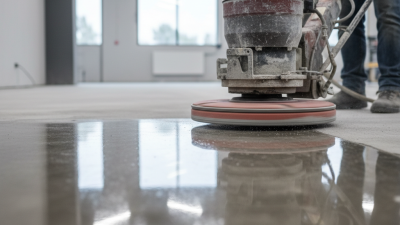
Keep the machine moving at a steady pace, with even pressure across each pass. Overlapping passes by several inches helps prevent visible bands. Use the recommended water level for wet polishing, and remove slurry before it dries. For dry work, control dust with suitable extraction equipment. I have found that excessive pressure creates heat and glazing, not faster cutting. That mistake is easy to repeat.
Rinse wet pads after every shift and brush away trapped cement particles. Store them flat, away from direct sunlight and freezing temperatures. Inspect the resin segments for rounded edges, cracks, missing pieces, or uneven wear. Replace a pad when it cuts slowly, leaves inconsistent scratches, or needs unusual pressure. Do not judge wear by appearance alone. Record the floor section, grit used, running time, and finish quality. These notes improve future pad selection, although my records are not always complete. A short test after replacement confirms whether the new pad matches the previous scratch pattern.