What is Irregular Abrasive and How Does it Impact Material Processing?
In the world of material processing, the role of Irregular Abrasive is often overlooked. However, it plays a crucial role in enhancing surface finishing and material removal efficiency. According to the latest report from the International Abrasive Association, approximately 30% of manufacturers are still unaware of the impact of irregular shapes on their outcomes. This gap in knowledge leads to underperformance in critical applications.
Dr. Sarah Thompson, a leading expert in abrasive technologies, emphasized, "The unique geometries of irregular abrasives can significantly improve cutting rates and surface quality." Her insights highlight the importance of embracing these unconventional materials. Many companies hesitate to adopt irregular abrasives due to concerns about predictability and control. Yet, these abrasives offer opportunities for innovation and superior performance.
Research illustrates that using irregular abrasives may lead to up to a 20% increase in productivity. However, some manufacturers need help with consistent application methods. This aspect calls for further exploration and refinement in how these abrasives are integrated into existing machining processes. The focus must shift toward understanding their potential better while mitigating any risks associated with their use.
What Defines Irregular Abrasive Materials in Industrial Applications?
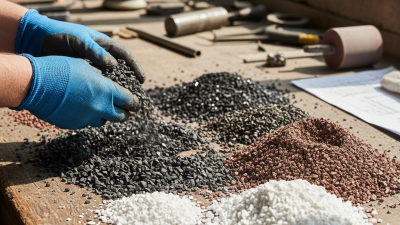
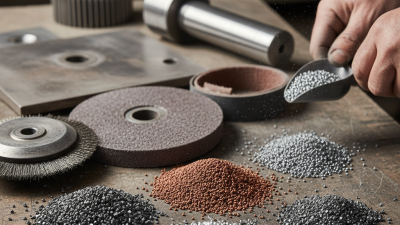
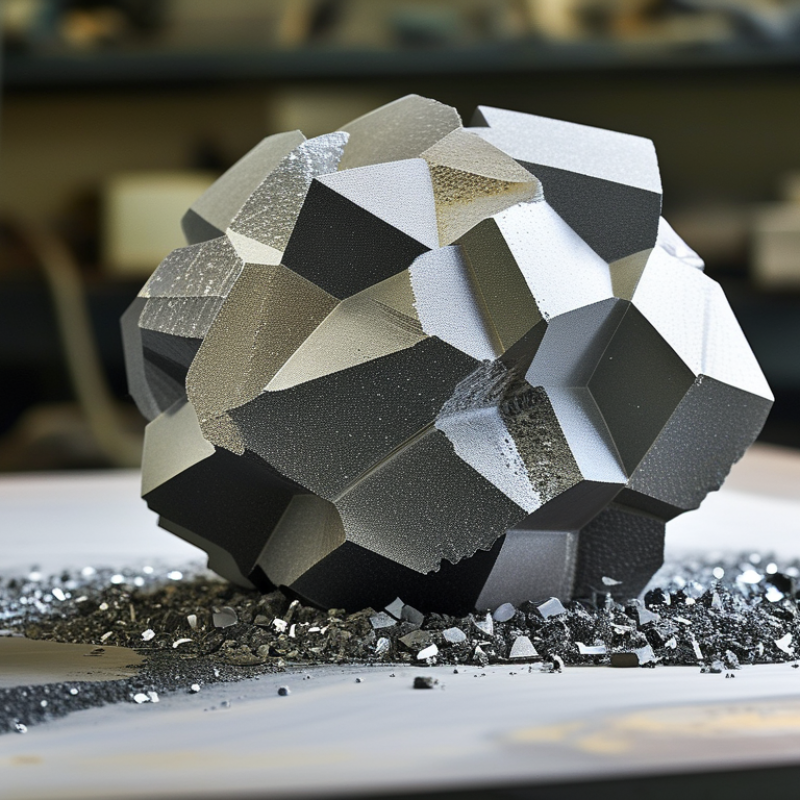
Irregular abrasive materials are increasingly recognized in the industrial landscape. These materials, characterized by their non-uniform shapes and sizes, play a crucial role in various processing applications. Notably, they can enhance the efficiency of grinding and polishing processes. A recent industry report from the Abrasive Materials Council highlights that irregular abrasives can improve material removal rates by up to 25% compared to traditional abrasives.
One of the defining features of irregular abrasives is their versatility. They can be tailored for specific tasks, providing unique advantages in different industrial settings. For example, in metalworking, irregular abrasives can conform to complex surfaces, ensuring a more uniform finish. However, there is often a learning curve when integrating these materials into existing processes. Companies may encounter challenges in optimizing their use, which could lead to inconsistent results if not properly managed.
The impact of irregular abrasives extends beyond just efficiency. They also reduce the wear on machinery, thereby extending tool life. Yet, not every application will benefit equally from irregular abrasives. Industries must conduct thorough assessments to determine their suitability, testing various formulations and characteristics. This careful consideration is essential for fully realizing the potential benefits of these materials in industrial applications.
Key Characteristics of Irregular Abrasives and Their Performance Metrics
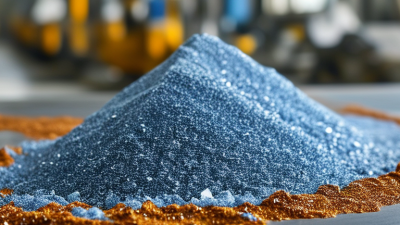
Irregular abrasives play a significant role in material processing. Their unique shapes and sizes contribute to their effectiveness in various applications. Unlike regular abrasives, these irregularities create varied cutting edges, which enhance their performance. This characteristic allows them to work on different types of materials more effectively.
The performance metrics for irregular abrasives include their hardness, toughness, and particle size distribution. Hardness indicates how well an abrasive can withstand wear and tear. Toughness measures its ability to absorb energy during impact. Particle size affects the surface finish and material removal rate. An irregular abrasive may not always yield a uniform finish, leading to variable results. Users must adapt their techniques to maximize outcomes.
When utilizing irregular abrasives, one must consider the trade-offs. While they can improve efficiency, they may also lead to unexpected wear on tools. Assessing the specific application is crucial. Each scenario presents unique challenges that require ongoing evaluation. Experimentation and adaptation are key to mastering their use in material processing.
What is Irregular Abrasive and How Does it Impact Material Processing? - Key Characteristics of Irregular Abrasives and Their Performance Metrics
| Characteristic |
Description |
Impact on Material Processing |
Performance Metric |
| Abrasive Shape |
Irregular shapes; often jagged or angular |
Increased cutting efficiency and surface finish |
Material Removal Rate (MRR) |
| Durability |
Varies based on composition; typically higher than regular abrasives |
Longer lifespan during machining processes |
Abrasive Wear Rate |
| Particle Size |
Range from fine to coarse |
Influences surface finish and finish time |
Surface Roughness (Ra) |
| Mix Ratio |
Combination of various abrasive sizes and materials |
Optimizes performance for specific applications |
Effectiveness Index |
| Cooling Properties |
Some irregular abrasives offer cooling benefits |
Reduces thermal damage to materials |
Thermal Conductivity |
Impact of Irregular Abrasives on Material Surface Finish and Durability
Irregular abrasives offer unique benefits in material processing, but they also introduce challenges. Unlike regular abrasives, these materials vary in shape and size, affecting how they interact with surfaces. Research indicates that irregular abrasives can enhance the surface finish by providing a more aggressive cut. A study by the American Society of Mechanical Engineers noted that they can reduce processing times by up to 30%. However, the variability in particle geometry may also lead to inconsistent results.
Surface finish and durability are critical in manufacturing. Irregular abrasives often create micro-scratches, which can compromise material integrity if not managed. In a comparative analysis, it was found that metal components treated with irregular abrasives exhibited an average surface roughness of 0.5 micrometers, whereas traditional abrasives achieved 0.2 micrometers. This disparity highlights the trade-off between speed and quality.
While the speed gain is appealing, manufacturers must balance it with the long-term durability of their products. Irregular abrasives can lead to uneven wear patterns in some cases. An industry report noted that 15% of components using these abrasives showed premature failure due to inconsistent surface profiles. This raises questions about the sustainability of using irregular abrasives. Proper calibration and thorough testing are essential to harness their strengths while mitigating potential downsides.
Comparative Analysis of Irregular vs. Regular Abrasives in Processing Efficiency
Irregular abrasives play a significant role in material processing. They differ from regular abrasives in shape, size, and distribution. These factors impact how they interact with materials during grinding or cutting. Irregular abrasives have a sharper edge, providing better penetration into the material. This can enhance efficiency for certain tasks, as they create less heat and produce finer finishes.
However, there are challenges. Irregular shapes can lead to inconsistencies in performance. The varied contact points mean that they may not always provide uniform wear on the workpiece. In addition, the uneven distribution can result in unpredictable outcomes during processing. It's crucial to understand the material being worked on when selecting abrasives.
Regular abrasives offer a consistent shape and predictability. They provide reliable performance across varied applications. On the other hand, irregular abrasives can offer unique advantages but require careful handling. These differences highlight the importance of analyzing specific needs in material processing. It's vital to strike a balance between efficiency and precision to achieve optimal results.
Future Trends: Innovations in Irregular Abrasive Technologies and Applications
Irregular abrasive technologies are revolutionizing material processing. These innovations allow for more versatile applications in various industries. Recent advancements include the creation of irregularly shaped abrasive particles. These particles can better conform to complex surfaces, enhancing efficiency in grinding and polishing.
Innovative manufacturing methods are emerging. For example, advanced techniques are creating abrasives with variable shapes and sizes. These developments lead to more effective material removal rates. However, the consistency of performance can vary, prompting the need for quality checks. The effectiveness is sometimes inconsistent, raising questions about reliability.
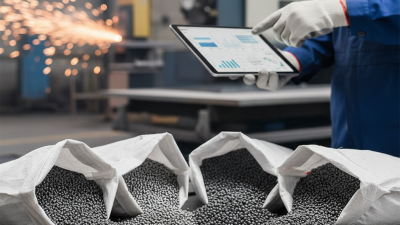
Moreover, future trends in this field suggest increased integration of smart technology. Sensors could monitor wear and performance in real-time. This may optimize the processing conditions on the fly. Yet, this intersection of technology and abrasives requires careful consideration of data accuracy and sensor reliability. There is potential for significant advancements, but experts must address these challenges to ensure dependable applications.