2026 Best Irregular Abrasive Products for Global Buyers?
As global industries evolve, the demand for high-quality Irregular Abrasive products continues to rise. Experts like Dr. Samantha Lee, a renowned materials scientist, emphasize the critical role of innovation in this sector. She once stated, “The future of Irregular Abrasive technology lies in our ability to adapt and meet diverse industrial needs.”
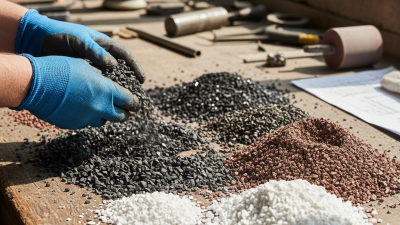
These products, characterized by their unique shapes and varying compositions, play a vital role in many applications. From surface preparation to finishing, Irregular Abrasive materials enhance efficiency and performance. However, challenges remain. Many manufacturers struggle to maintain consistent quality across batches. This inconsistency can lead to subpar results in critical operations.
As we look to 2026, it is crucial for buyers to source Irregular Abrasive products from reputable suppliers. Ensuring product reliability and effectiveness will be vital for sustained success. Industry collaborations and advancements in manufacturing techniques will shape the future of this essential material. These efforts will not only meet market needs but also pave the way for new applications and innovation.
2026 Global Market Overview for Irregular Abrasive Products
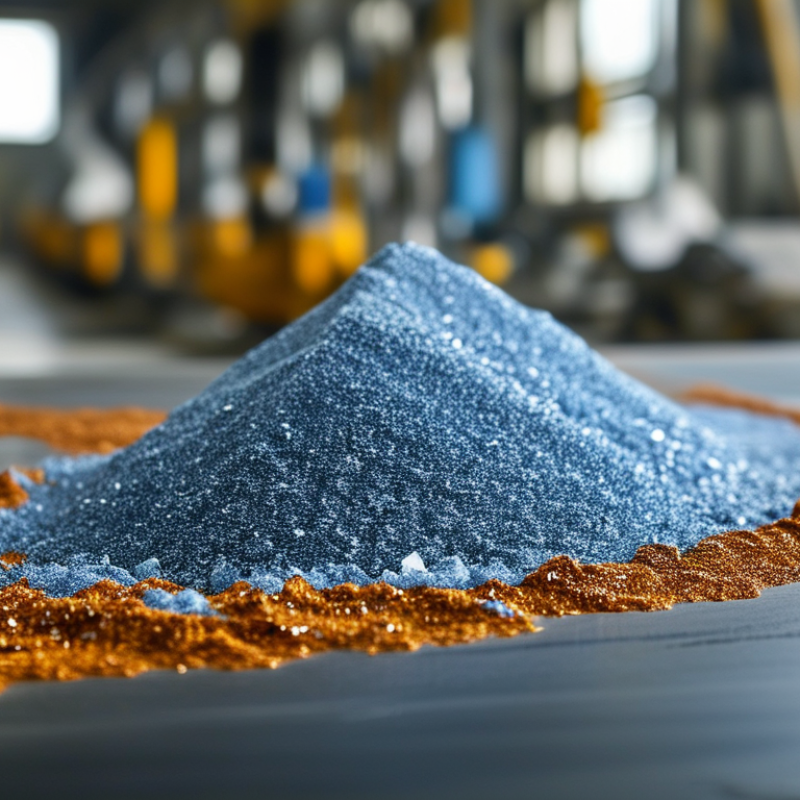
The global market for irregular abrasive products is evolving rapidly. Research indicates that demand is increasing across diverse industries. This surge could be attributed to growing manufacturing activities and the need for high-performing materials. Different sectors, like automotive and construction, are incorporating these products to improve surface finishing and enhance product longevity.
Understanding regional trends is essential. North America shows a steady demand for irregular abrasives. Meanwhile, Asia-Pacific is experiencing significant growth due to expanding industrial sectors. However, challenges persist. Supply chain disruptions and fluctuating raw material prices can impact availability. Businesses need to address these issues proactively.
Feedback from industry stakeholders reveals mixed sentiments. Some experts highlight the need for innovation in product development. Others express concerns about sustainability. Irregular abrasive products must balance performance with environmental impact. This challenge may require ongoing collaboration between manufacturers and environmental agencies.
Key Trends and Innovations in Irregular Abrasive Product Manufacturing
The manufacturing of irregular abrasive products has seen notable trends and innovations in recent years. As demand grows, manufacturers seek to enhance the efficiency and durability of their products. Reports show that the global abrasive market was valued at approximately $41.8 billion in 2022 and is expected to grow significantly by 2030. This reflects the increasing interest in innovative abrasive solutions across various industries.
One key trend involves the development of eco-friendly abrasives. Many manufacturers are exploring sustainable materials to reduce environmental impact. For instance, using natural minerals instead of synthetic compounds can lessen harmful emissions during production. This shift aligns with global sustainability goals, yet it raises questions about performance and cost-effectiveness.
Another innovation is the use of advanced coating technologies. These coatings improve the lifespan and performance of abrasives. A recent study suggested that abrasives with advanced coatings can outperform traditional options by up to 30% in terms of durability. However, the investment in such technologies can be daunting for small manufacturers. Balancing innovation with cost is an ongoing challenge in the industry.
Comparative Analysis of Irregular vs. Regular Abrasive Products
Abrasive products play a crucial role in various industries. The comparison between irregular and regular abrasive products reveals notable differences.
Irregular abrasives feature unique shapes that often enhance their cutting prowess. These shapes allow for better surface contact, leading to more effective material removal.
In contrast, regular abrasives have a uniform shape. This consistency can result in predictable performance. However, the effectiveness in diverse applications may fall short compared to irregular options. Many users have observed that irregular abrasives provide superior adaptability in challenging tasks. Some may find regular abrasives easier to handle, but versatility is often compromised.
The choice ultimately depends on specific needs. For intricate tasks, irregular abrasives can yield better results. However, the learning curve may pose challenges for new users. It's essential to reflect on the nature of the work at hand. While irregular abrasives offer unique benefits, the preference for familiarity with regular abrasives can lead to overlooked opportunities.
Market Demand Forecast for Irregular Abrasive Products by Region
The market for irregular abrasive products is evolving. Different regions show varied demand forecasts. In North America, construction and automotive industries drive growth. The European market is influenced by stricter environmental regulations, pushing innovations. Asia-Pacific is witnessing a surge in manufacturing and export, making it a crucial area.
Tips: When assessing market demand, analyze local industry trends. Understanding regional preferences is vital. Connect with local manufacturers to gain insights.
The Middle East and Africa reveal a unique landscape. Here, growth relies on oil and gas projects. Additionally, their construction sector is expanding rapidly. However, challenges persist, such as fluctuating material costs. Buyers must remain agile and adaptable to these changes.
Tips: Stay informed about economic conditions in different regions. Collaborate with regional experts to navigate market dynamics effectively.
Market Demand Forecast for Irregular Abrasive Products by Region
Regulatory Standards Impacting the Irregular Abrasive Industry in 2026
The regulatory landscape for the irregular abrasive industry in 2026 is shifting rapidly. Various international standards are affecting manufacturing practices. For instance, the ISO 9001 certification is set to evolve, emphasizing stringent quality management processes. Companies that fail to comply could risk losing market access.
In addition, the European Union is introducing new guidelines on safety and environmental impact. A recent report shows that 45% of companies are unprepared for these changes. Many businesses argue that adapting to these regulations will inflate production costs. However, experts stress the importance of compliance for long-term success. Failure to adhere to new protocols can result in fines and damaged reputations.
Moreover, many manufacturers are questioning how to incorporate sustainable practices. The shift towards eco-friendly materials is critical. Studies indicate that 70% of buyers prefer products with lower environmental footprints. This demand creates challenges and opportunities. Companies must balance cost, compliance, and environmental responsibility.