How to Choose Wet Diamond Polishing Pads for Your Projects?
Choosing the right Wet Diamond Polishing Pads can significantly impact your project’s outcome. The right pads enhance efficiency and create a flawless finish. According to industry reports, the global market for polishing materials is projected to grow at a CAGR of 5.2% from 2022 to 2027. This growth underscores the importance of selecting high-quality tools.
Wet Diamond Polishing Pads are essential for various applications, including granite, marble, and concrete surfaces. They ensure a smooth, shiny finish while maximizing durability. However, not all pads are created equal. Choosing the wrong type can lead to poor results and increased costs. An average contractor might overlook the specifications, leading to unexpected issues.
Additionally, user feedback reveals that many projects suffer from inadequate surface preparation. Properly assessing your needs will help avoid common pitfalls. A well-informed decision can distinguish between success and a costly redo. By considering factors such as grit size and pad composition, your projects can achieve the desired results efficiently.
Understanding Wet Diamond Polishing Pads: An Overview
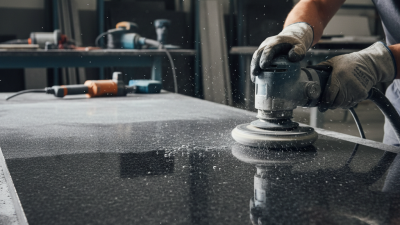
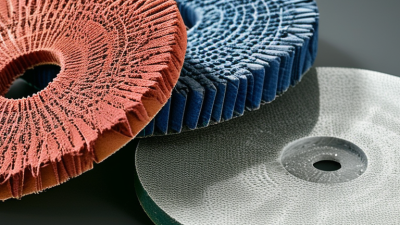
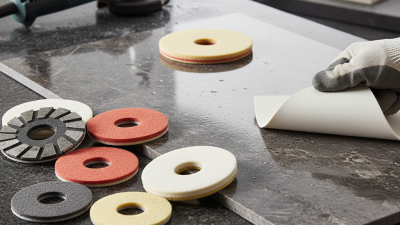
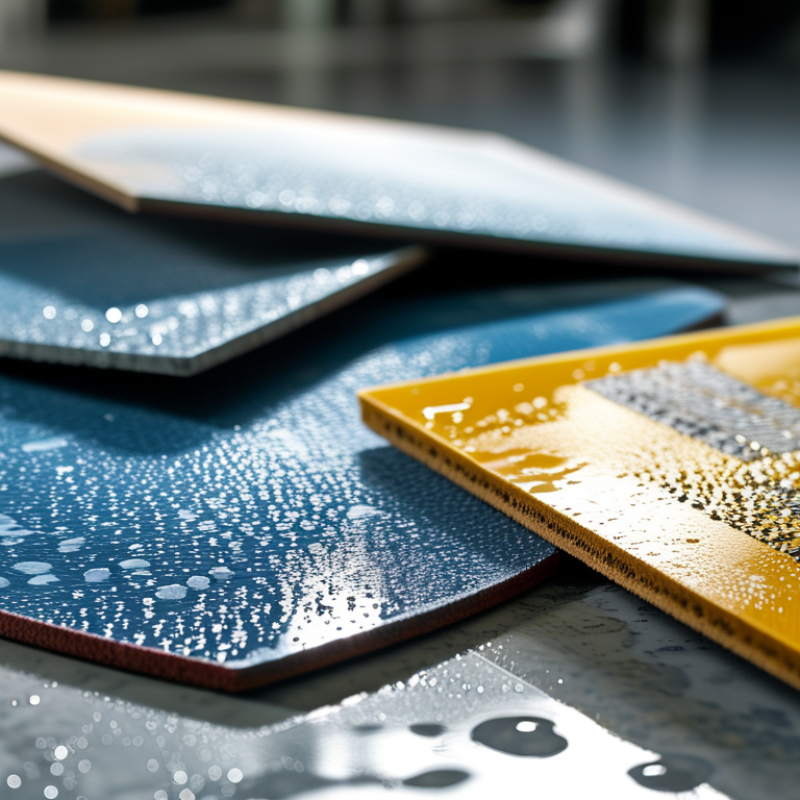
Wet diamond polishing pads are essential tools for achieving a smooth finish on various surfaces. They are commonly used in projects involving concrete, stone, and tile. Understanding their composition helps in making informed choices. Typically, these pads consist of diamond particles embedded in a flexible or hard backing. This unique structure allows them to grind and polish effectively.
When selecting wet polishing pads, consider the grit size. A lower grit number offers coarser polishing, while higher numbers provide a finer finish. Each project may require different grits for optimal results. The thickness of the pads is another factor; thicker pads last longer but might require more water. Take note of the compatibility with your polishing equipment. Some pads work better with specific machines.
Despite their benefits, users often face challenges. Uneven pressure during use can lead to unsatisfactory results. Make sure to apply consistent pressure across the surface. Water management is crucial as well; too much can cause slippage, while too little may overheat the pad. Learning from these experiences is part of the polishing process. It’s essential to remain attentive and adjust your techniques as needed.
Factors to Consider When Selecting Wet Diamond Polishing Pads
When selecting wet diamond polishing pads, several factors significantly impact performance. The grit size is critical. Lower grit numbers, like 50 or 100, are for heavy grinding, while higher numbers—up to 3000—are suitable for fine polishing. The type of material also matters. For instance, softer stones might require different pads compared to harder surfaces like granite or quartz. Understanding these specifics helps in achieving the desired finish.
Another essential factor is pad thickness. Thicker pads can withstand more pressure and last longer under rigorous use. Yet, they may sacrifice flexibility, making it hard to polish uneven surfaces. It's essential to weigh the need for durability against the precision required for detailed work. The right balance can enhance overall workflow.
Tips: Always test a small area before full application. This precaution prevents larger mistakes. Consider using pads with varying grits to save time on multiple projects. Frequent cleaning of pads during use can also improve results and extend their lifespan. Keep these strategies in mind for better outcomes on your polished surfaces.
Different Grit Levels and Their Applications in Polishing
When selecting wet diamond polishing pads, grit levels play a crucial role in achieving desired finishes. Typically, these pads range from coarse to fine grits. Coarse pads, usually around 50 to 200 grits, are ideal for heavy grinding and the initial stages of material removal. For instance, they effectively remove scratches and imperfections in concrete or stone surfaces. Reports show that using 50 grit pads can reduce the time spent on initial surface preparation by up to 30%.
Medium grits, such as 400 to 800, are best for refining the surface. They prepare the material for finer polishing stages. Many professionals find that medium pads enhance the sheen of surfaces without excessive scratches. The transition between grits is essential. Skipping too many grit levels can lead to subpar finishes, something that many users overlook.
Fine grits, from 1500 to 3000, are used for the final polishing stage. They provide a high-gloss finish essential for high-end projects. However, it's crucial to recognize that achieving a mirror-like shine often requires patience. Real-world experiences indicate that spending more time on finer grits can yield noticeably better results. Despite this, many individuals rush through these stages, leading to a compromise on quality. Each project varies, so understanding these grit levels and their applications is vital for successful polishing outcomes.
How to Choose Wet Diamond Polishing Pads for Your Projects? - Different Grit Levels and Their Applications in Polishing
| Grit Level |
Application |
Material Suitable For |
Typical Uses |
| 50 Grit |
Aggressive Grinding |
Concrete, Stone |
Initial surface preparation, removal of heavy scratches |
| 100 Grit |
Medium Grinding |
Concrete, Granite |
Refining surfaces, preparing for finer grits |
| 200 Grit |
Fine Grinding |
Marble, Quartz |
Polishing and honing surfaces, achieving a smoother finish |
| 400 Grit |
Polishing |
All types of stone |
Finalizing polish before higher grits |
| 800 Grit |
High Gloss Polishing |
Granite, Engineered Stone |
Achieving high gloss finishes |
| 3000 Grit |
Ultra Fine Polishing |
Marble, Glass |
Final polish, enhancing sheen |
Compatibility of Wet Diamond Pads with Various Materials
Choosing the right wet diamond polishing pads is crucial for the effectiveness of your projects. Different materials demand specific types of pads for the best finish. For example, polished concrete often uses softer bonding pads. These pads work efficiently with the density of concrete, ensuring an even polish. The Concrete Society reported that using the right pad can increase polishing speed by up to 30%.
When working with natural stones like granite or marble, the hardness of the material is a key consideration. Harder materials require more durable pads, often with a harder bonding agent. According to industry research, using the wrong pad can result in chipping or uneven surfaces. Similarly, glass requires specialized pads with finer grits to avoid scratches. These materials need flexibility and smoothness to achieve a desirable finish.
Nevertheless, selecting pads can be tricky. Not all pads perform consistently across various applications. It’s not unusual to find that a pad which excels on one material may fall short on another. Testing multiple pads can lead to unexpected costs. Engaging in thorough research while balancing application needs proves essential for successful results.
Tips for Maintaining and Extending the Life of Polishing Pads
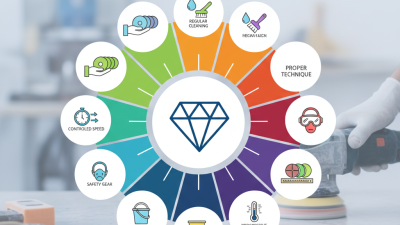
Maintaining wet diamond polishing pads is essential for achieving the best results in various projects. Regular cleaning after each use can significantly prolong the life of the pads. This helps remove debris and prevent the buildup of slurry, ensuring optimal performance for future applications. Interestingly, industry studies show that properly cleaned pads can last up to 30% longer than those that are neglected.
Another crucial factor in maintaining polishing pads is proper storage. Keeping them in a dry, cool environment helps prevent degradation of the diamond particles. Research indicates that exposure to high humidity and extreme temperatures can reduce the effectiveness of the pads by as much as 25%. Ensuring they remain flat and free from heavy objects also prevents warping and keeps the pads in prime condition.
Lastly, it's vital to monitor the wear patterns on the pads. Uneven wear can indicate improper usage or underlying issues with the polishing process. Evaluating these patterns can help users adjust techniques and better align them with project demands. This proactive approach not only extends the life of the pads but also ensures consistently high-quality finishes. Engaging in these practices fosters a deeper understanding of the tools and the materials being worked with, enhancing craftsmanship over time.