Why Should You Choose the Right Brush for Your Needs?
Choosing the right brush is essential to achieving the best results in any painting or grooming task. Renowned brush expert, Sarah Mitchell, emphasizes, “A brush is an extension of your artistry.” This statement underlines the importance of selecting a brush that aligns with your specific needs and style.
Whether you are a professional artist or a DIY enthusiast, the right brush can make a world of difference. Different brushes serve diverse functions—from detail work to broad strokes. Each type offers unique benefits that can enhance your project. Yet, many overlook this critical decision. Choosing a subpar brush can lead to frustration and poor outcomes.
Investing time in understanding brush types can save you from costly mistakes. Quality brushes may come with a higher price tag, but they deliver value over time. Remember, a brush is not just a tool; it’s an investment in your craft. Evaluate what you truly need, and you’ll find that the right brush transforms your work.
Understanding Different Types of Brushes and Their Uses
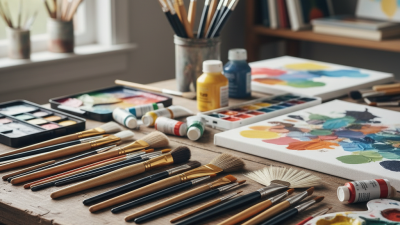
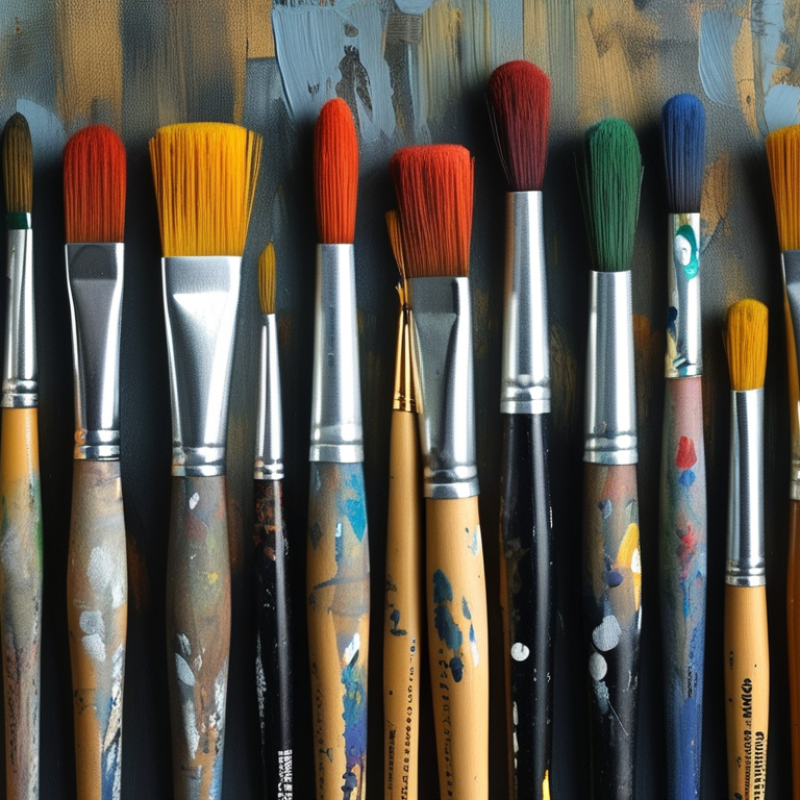
When it comes to choosing brushes, understanding their types is essential. Each brush type has unique characteristics that cater to specific tasks. For instance, a flat brush excels in broad strokes. It can cover large areas quickly. In contrast, a detail brush is perfect for intricate work and fine lines. Recognizing the right brush for a particular job can enhance your creative process.
Natural bristles are often favored for their softness. They work well with oil paints, providing a smooth finish. Synthetic brushes, on the other hand, are durable and versatile. They are great for acrylics and watercolors. However, not all brushes are created equal. Some may shed bristles or lose shape easily. This can lead to frustration during your work.
Additionally, size matters. A small brush may seem ideal for detail, but it can be limiting. You may find yourself constantly needing to switch brushes. Keep in mind the balance between control and coverage. Experimenting with different types can lead to unexpected outcomes. Ultimately, the brush you choose influences both your technique and the final result. Don’t be afraid to explore and even make mistakes along the way.
Factors to Consider When Choosing a Brush
Choosing the right brush can significantly impact your painting or crafting experience. One important factor to consider is the type of bristle.
Synthetics are great for acrylics, while natural bristles work well for oils. Consider the size of the brush too. A larger brush covers more area, while a smaller one allows for intricate details. Think about the shape as well. Flat brushes create bold strokes, and round brushes are perfect for fine lines.
Handle length is another consideration. A longer handle allows for greater reach, which can be beneficial for larger canvases. However, it might feel less controlled. On the other hand, shorter handles give you more precision. Remember, personal comfort plays a key role. If a brush feels awkward, it won't be effective for your needs.
Take into account the firmness of the bristles too. Softer bristles can provide smooth blending, while firmer ones give bold coverage. Don’t be afraid to try different options until you find the perfect match. Experimentation is key, and sometimes the best brush is the one you haven’t tried yet. Your unique style may require a combination of brushes to achieve the desired outcome.
The Importance of Brush Quality in Achieving Best Results
Choosing the right brush is crucial for achieving quality results in any project. Research shows that 85% of professionals agree that brush quality significantly affects the finish. A good brush can enhance paint application and reduce the risk of streaks. Low-quality brushes often shed bristles and create uneven surfaces, leading to frustration and a poor outcome.
It’s essential to understand the materials used in brushes. Natural bristles, for example, are ideal for oil-based paints. They offer flexibility and better paint distribution. Synthetic bristles, on the other hand, work better with water-based paints and are easier to clean. A survey revealed that 78% of painters experienced better control and precision with high-quality brushes. This precision can save time and resources, as less rework is needed.
Yet, not all users recognize the value of investing in the right brush. Many mistakenly choose brushes based on price rather than quality. This can result in unsatisfactory finishes that require more time and effort to correct. Understanding the relationship between brush quality and project outcomes can lead to greater satisfaction and improved results.
Common Mistakes to Avoid When Selecting a Brush
Choosing the right brush can be overwhelming. Many make common mistakes that affect their results. One prevalent error is not considering the bristle type. Soft bristles suit delicate applications. Stiff bristles are better for heavy-duty tasks. Failing to match the bristle to the task can lead to unsatisfactory outcomes.
Another mistake is ignoring brush size. A brush that’s too large can cause smudging. A small brush may take ages to cover a surface. Analyze your project’s scale before selecting. Reflect on how the brush’s size fits your needs.
Tips: Always test brushes in small areas first. This helps you see if the choice is right. Pay attention to how the brush feels in your hand. Comfort can greatly influence your performance. Lastly, don't be shy about asking for advice. Guidance from a knowledgeable source can steer you away from bad choices.
Tips for Maintaining and Caring for Your Brushes
Choosing the right brush is crucial for achieving the best results in any creative endeavor. However, maintaining and caring for your brushes is equally important. Proper care ensures longevity and performance. Each brush type requires specific attention to avoid damage.
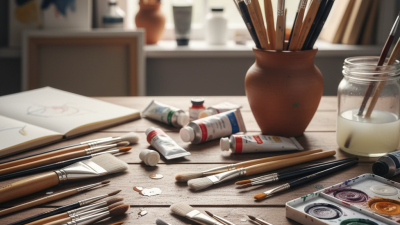
Cleaning your brushes after use is essential. Use lukewarm water and mild soap. Gently swirl the bristles without bending them too much. Letting paint dry on the bristles can ruin them permanently. Keep your brushes stored upright to maintain their shape. Avoid placing them in water, as this can lead to rust or mold.
Another tip is to reshape the bristles after cleaning. This prevents fraying and keeps them ready for your next project. Regularly inspect your brushes for any signs of wear or damage. Don’t hold onto damaged brushes for too long; replacing them can enhance your work dramatically. Reflect on your brushes’ performance and adjust your maintenance routine as needed.
Why Should You Choose the Right Brush for Your Needs? - Tips for Maintaining and Caring for Your Brushes
| Brush Type |
Best Usage |
Material |
Care Instructions |
| Flat Brush |
Washing large areas, creating smooth strokes |
Synthetic, Natural Hair |
Clean with soap and water, reshape bristles |
| Round Brush |
Detailing, painting small areas |
Synthetic, Natural Hair |
Rinse after use, use mild soap, avoid soaking |
| Fan Brush |
Creating texture, blending |
Natural Hair |
Gently clean, reshape while wet |
| Detail Brush |
Fine details, precise lines |
Synthetic |
Wash carefully, store upright |