Best Floor Pad Options for Every Flooring Type?
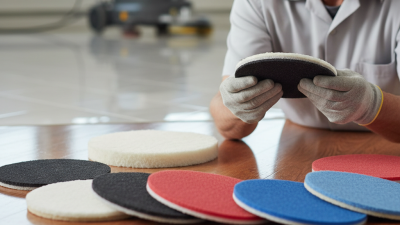
Choosing the right floor pad is essential for maintaining different types of flooring. Various materials and conditions require specific pads to ensure longevity and functionality. A quality floor pad can prevent scratches, improve comfort, and enhance the overall look of your floors.
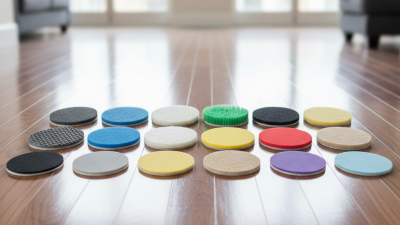
Different flooring types like hardwood, tile, and carpet each have distinct needs. The right floor pad provides necessary cushioning and protection. For instance, hardwood floors benefit from felt pads that reduce scratches. Conversely, tile floors might require rubber pads to prevent slipping.
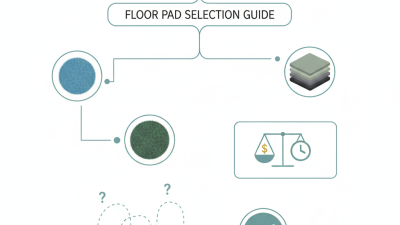
Understanding the unique characteristics of your flooring helps in selecting the best floor pad. While many options exist, not all are perfect. It's crucial to consider factors such as thickness, material, and durability. An informed choice can greatly impact your flooring's lifespan. However, it’s also important to reflect on the trade-offs involved with every option. Choosing a floor pad is not always straightforward, but the effort pays off in the long run.
Best Floor Pad Options for Hardwood Flooring: Key Features and Benefits
When selecting floor pads for hardwood flooring, it’s crucial to understand their role in preserving aesthetics and preventing damage. The right pad can shield your floors from scratches and dents. Look for options made of soft materials that provide cushioning without being abrasive. Many homeowners overlook this aspect, leading to unnecessary wear on beautiful hardwood surfaces.
Consider the thickness of the pad. Thicker pads can offer better shock absorption, but they may also raise furniture height. This could affect the stability of items placed on them. A good balance is essential. Choosing the right density can also impact durability. Dense pads are less likely to compress over time, maintaining their protective qualities.
Cleaning and maintenance are also vital. Some pads can trap dirt and moisture, which can ultimately harm your floors. Regularly check and clean pads to ensure they remain effective. Many might neglect this simple task, leading to long-term issues. Pay attention to details, like the type of adhesive used, as it can reveal potential risks for hardwood floors.
Top Choices for Tile Floors: Durability and Maintenance Considerations
When it comes to tile floors, choosing the right floor pad is crucial. Tile surfaces can be cold and hard, making it important to select pads that enhance comfort and safety. The ideal pad should also offer excellent durability, standing up to the rigors of daily foot traffic. Many people overlook the impact of poor-quality pads, leading to premature wear on both the flooring and the pad itself.
Consider pads that provide a non-slip surface. Such pads help prevent accidents, especially in areas prone to moisture. Think about texture and thickness. A thicker pad can provide cushioning, but may also require more maintenance. Some tiles can scratch easily, so your choice in pads is about balancing comfort and protection. Regular cleaning and rotations can extend the life of both your pad and flooring but are often neglected.
It’s also wise to think about the installation process. Some pads are easier to install than others. A complicated setup can lead to frustration and weaken the floor's protective qualities. Take your time during the selection process. Don’t rush into a decision. After all, the wrong pad can lead to slipping, scratching, and early replacement. Pay attention to how different pads interact with your specific tile type. Each flooring choice demands careful consideration.
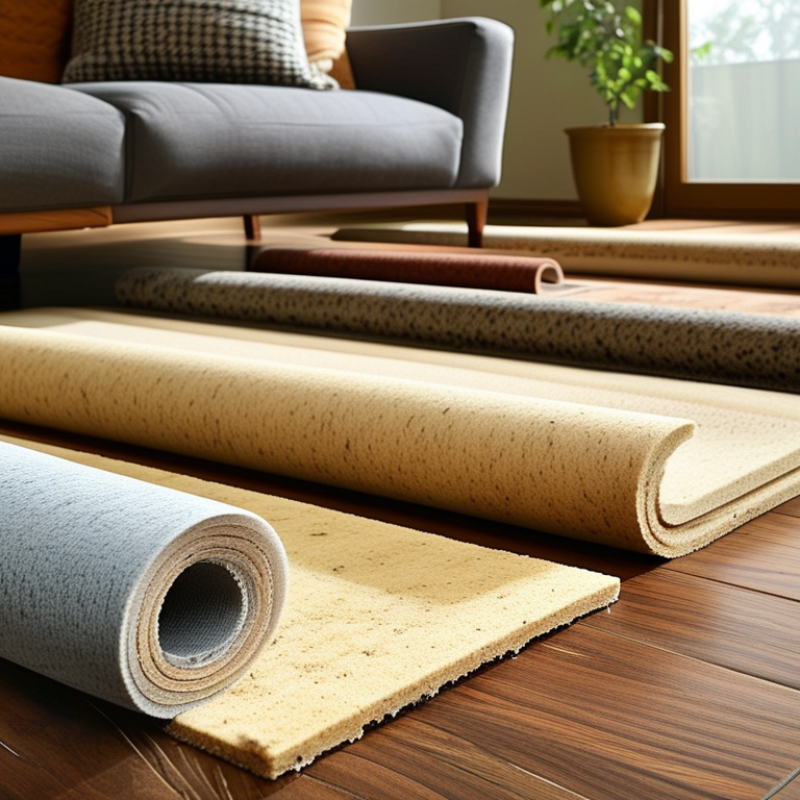
Carpet Floor Pads: Enhancing Comfort and Insulation Efficiency
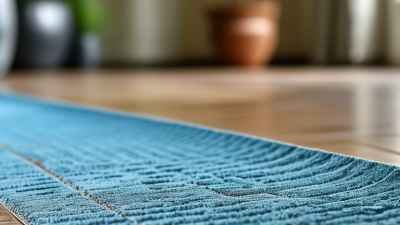
Carpet floor pads play a crucial role in enhancing both comfort and insulation efficiency in homes. According to the Carpet and Rug Institute, the right flooring pad can reduce noise levels by up to 50%. This is particularly beneficial in multi-story homes, where sound transfer can be an issue. A quality carpet pad acts as a barrier, absorbing sound and providing a softer surface to walk on.
Insulation efficiency is another vital aspect. Reports indicate that carpets with proper padding can improve thermal insulation, reducing heating costs by 10-15%. This is particularly important in colder climates, where energy efficiency directly impacts utility bills. Investing in the right pad can create a warmer home environment, which many homeowners overlook.
However, it’s important to reflect on pad material choices. Not all pads offer the same level of support or durability. For example, foam pads may compress over time, losing their effectiveness. Homeowners must weigh the initial cost against long-term performance. Selecting a pad that balances comfort with longevity is essential for maximizing both comfort and energy savings in the long run.
Best Floor Pad Options for Every Flooring Type
Luxury Vinyl Flooring Pads: Features for Enhanced Longevity and Appearance
Luxury vinyl flooring has gained popularity for its durability and aesthetic appeal. To maintain its appearance and longevity, choosing the right floor pad is essential. The right pad acts as a cushion between the floor and furniture, preventing scratches and denting. It also helps to absorb sound, creating a quieter environment. Look for pads that are moisture-resistant to protect against spills.
In addition, consider the thickness of the pad. A thicker pad provides more cushioning, which can enhance comfort underfoot. However, if it’s too thick, it might affect stability. Finding a balance is key. Also, verify the material of the pad. Eco-friendly options are increasingly available and contribute to a healthier indoor environment.
Not all pads are suitable for every luxury vinyl floor. Some may cause discoloration or damage over time. It's crucial to test pads in a discreet area before full installation. Not all options will perform as expected, so watching for signs of wear is advisable. Regularly inspecting your flooring and pad can help identify potential issues early.
Eco-Friendly Floor Pad Options: Sustainable Materials and Performance Metrics
Choosing eco-friendly floor pads can significantly impact sustainability. Many options utilize natural and recycled materials. For instance, cork and rubber pads are renowned for their durability and low environmental impact. According to the U.S. Green Building Council, using sustainable materials can reduce your carbon footprint by nearly 15%.
Performance metrics are essential in evaluating floor pads. A study from the Flooring Industry Research Institute found that eco-friendly pads can match the performance of conventional ones. These eco-options often provide similar cushioning and noise reduction benefits. However, consumers should be cautious. Some eco-friendly products may underperform in extreme conditions.
Despite the advantages, eco-friendly pads may have higher upfront costs. This initial investment can deter some buyers. Additionally, the variety of options can be overwhelming. It's crucial to conduct thorough research. Finding the right balance between sustainability and performance requires time and careful consideration. This reflective approach can lead to better long-term choices for both your home and the environment.