Top 10 Floor Pad Options for Global Buyers to Consider?
When considering the right floor pad, global buyers face a variety of options. The market is filled with choices that cater to different needs. Each floor pad has unique benefits that can enhance various environments. From industrial applications to home use, selecting the right product is essential.
Quality and performance are key factors. A reliable floor pad can improve safety, reduce noise, and provide comfort. Buyers must consider durability. Some options wear out quickly while others last longer and perform better under pressure.
Ultimately, the right floor pad should meet specific requirements. Buyers can feel overwhelmed by the options available. Reflecting on personal needs and preferences can help in narrowing down choices. Understanding the specifications and potential uses of each pad is crucial. This knowledge enables informed decision-making and ultimately leads to greater satisfaction.
Understanding Different Types of Floor Pads Available in the Market
When exploring various floor pad options, understanding their types is essential. Floor pads serve different purposes, like cleaning, polishing, and protecting surfaces. According to a report by Freedonia Group, the demand for floor maintenance products is expected to increase by 4.5% annually. This trend highlights the importance of suitable floor pads in commercial and residential settings.
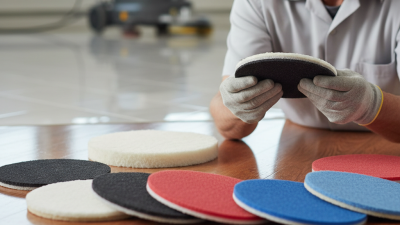
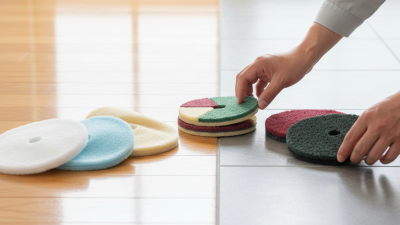
There are several types of floor pads available. Cleaning pads are designed to remove dirt and grime from floors. They come in different materials, such as synthetic fibers or natural fibers. Buffing pads enhance the shine of floors and are often used in conjunction with floor finish. A common yet overlooked option is the floor cushioning pad. It provides comfort underfoot, making it ideal for areas with high foot traffic.
Tips: Always check the pad's durability. Some pads wear out quickly, losing their effectiveness. Furthermore, consider your floor type; using the wrong pad can damage surfaces. Research user reviews for valuable insights. Remember, the right pad can make a significant difference in your cleaning routine.
Key Factors to Consider When Choosing Floor Pads for Various Surfaces
When selecting floor pads, it’s essential to consider the type of surface you’ll be working with. Different materials, such as wood, tile, or concrete, require distinct pad characteristics for effective cleaning and maintenance. For instance, soft pads work wonders on polished surfaces, while a more abrasive option may be necessary for textured floors. Matching the pad to the floor type ensures optimal performance and durability.
Another key factor is the cleaning method. Some pads are designed for wet cleaning, while others are better for dry applications. Understanding your preferred cleaning process can help narrow down your choices. Take the time to evaluate how much foot traffic a floor experiences. High-traffic areas demand pads that can withstand more wear and tear. It's wise to test various options to see how they perform.
Finally, considering the environmental impact of your floor pads is crucial. Look for materials that are sustainable and eco-friendly. This choice not only helps our planet but can also improve indoor air quality. It’s important to reflect on your cleaning habits and how they align with sustainability goals. Balancing efficiency, surface compatibility, and environmental responsibility leads to better choices for floor care.
Top Characteristics of High-Quality Floor Pads for Home and Commercial Use
When selecting floor pads, it's essential to consider several key characteristics that define their quality for both home and commercial use. High-quality floor pads should provide excellent durability and support. According to industry reports, pads made from polyurethane or rubber are often recommended for their resilience. These materials can withstand heavy foot traffic, making them suitable for busy environments. In addition, proper cushioning is vital. A pad that offers adequate shock absorption can reduce fatigue for those standing for long periods.
Comfort is another critical factor. Research indicates that well-designed floor pads can improve posture and reduce joint strain. This is especially beneficial in settings like kitchens or retail spaces where employees are on their feet all day. A recent study found that using high-quality floor pads can lead to a 30% decrease in discomfort after extended standing.
When choosing a floor pad, prioritize thickness and surface grip. A pad that is too thin may not provide enough support. Additionally, a non-slip surface is crucial to prevent accidents. Look for pads that are easy to clean and maintain. Regular cleaning not only extends the pad's life but also ensures a hygienic environment.
Tip: Test out different thickness levels to find what feels right for you. It might take some time to identify the best fit. Keep in mind that a pad’s initial comfort might change with continued use. Regularly assess whether the pad continues to meet your comfort needs.
Top 10 Floor Pad Options for Global Buyers to Consider
Comparative Analysis of Popular Floor Pad Brands and Their Offerings
When choosing floor pads, buyers must consider various factors. The durability of the material is key. Some pads are made from softer substances that wear out quickly. Others are tough but may not be suitable for all surfaces. Assessing the type of floor your pads will be used on can lead to better choices.
Many brands offer a wide range of options, but not all are created equal. Some pads might excel in stain resistance, while others focus on grip and safety. Reviews often hint at common issues, like inconsistent performance over time. Feel free to research and compare.
Tips: Always check user reviews on multiple platforms. Look for detailed insights that highlight both strengths and weaknesses. It helps to test different products on small areas before full application. Don’t overlook the importance of maintenance; some pads require regular care to maintain effectiveness.
Cost-Effectiveness of Different Floor Pad Options for Global Consumers
When considering floor pads, cost-effectiveness is crucial for global consumers. Many options exist, each with strengths and weaknesses. For example, foam floor pads are often the most affordable, providing basic cushioning. However, they may wear out quickly, leading to more frequent replacements. This can increase long-term costs despite their initial low price.
Rubber pads are more durable and suitable for various environments. They offer better resilience and longevity, which can save money over time. Yet, their higher upfront cost may deter some buyers. Consumers must weigh durability against budget constraints carefully. Another option is cork pads, providing natural insulation and sound absorption. These tend to be mid-range in pricing, balancing quality and affordability.
The choice of floor pad reflects personal needs and circumstances. A gym might benefit from thicker, high-quality options. A home office might prioritize comfort over extensive durability. Reflecting on these factors can guide consumers toward the best decision. Investing wisely often means considering how long a product will last in addition to its initial price.