Top 10 Benefits of Using Dry Diamond Polishing Pads for Your Needs?
In the world of surface preparation and finishing, the Dry Diamond Polishing Pad stands out as an essential tool. These pads are not just another option; they bring numerous benefits that can enhance your workflow. When you need to achieve a polished surface efficiently, this specialized pad excels with its unique properties.
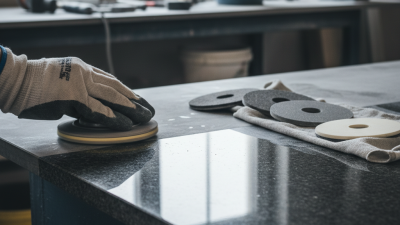
Using a Dry Diamond Polishing Pad allows for quick results. It requires no water, making it ideal for various settings. Whether you're working in tight spaces or dealing with delicate surfaces, these pads offer versatility. They ensure a consistent finish without the mess of water-based methods.
However, choosing the right pad can be challenging. Not all dry pads are created equal. Some may wear out quickly, while others may not deliver the desired shine. Thus, understanding the specific applications and limitations of the Dry Diamond Polishing Pad is crucial. By considering your specific needs, you can maximize the benefits and find the perfect match for your polishing tasks.
Understanding Dry Diamond Polishing Pads and Their Functionality
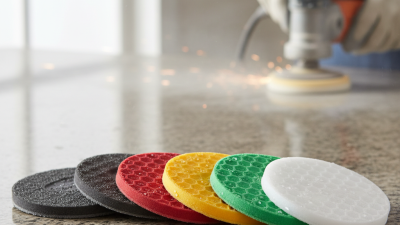
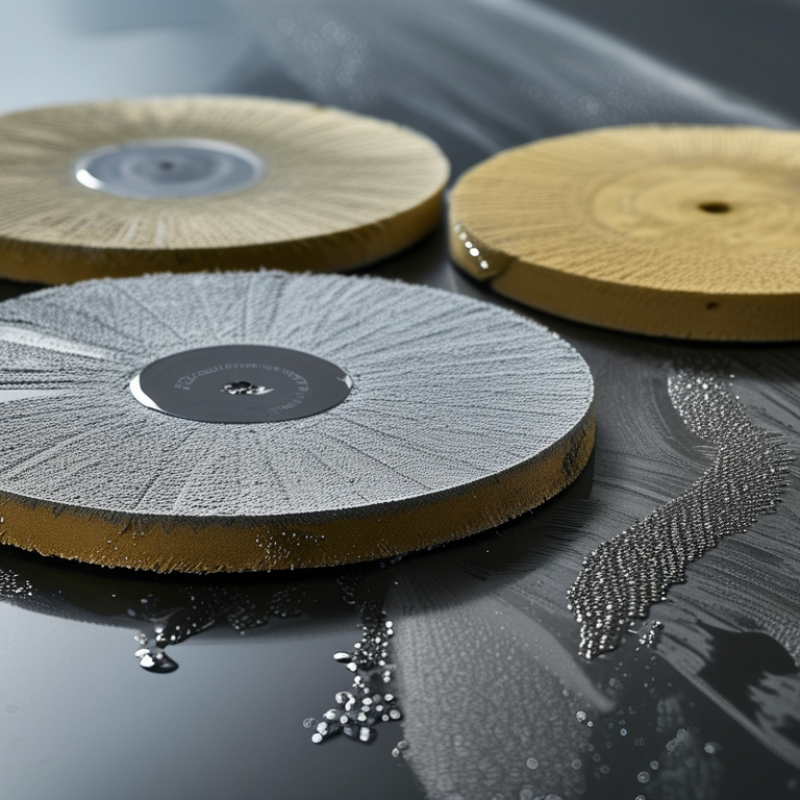
Dry diamond polishing pads are essential tools for achieving a high-quality finish on various surfaces. They are designed with diamond particles, which provide durability and efficiency. These pads work effectively on concrete, marble, and granite. Understanding their functionality helps users maximize their benefits.
The unique composition of these pads allows them to polish without water, making them ideal for jobs where moisture is a concern. Their versatility means they can be used in tight spaces or on delicate materials. However, not all pads are created equal; choosing the right grit and type is crucial. Inadequate selection can lead to poor results or damage to surfaces.
When using dry diamond polishing pads, attention to technique is key. Applying too much pressure can cause scratches, while too little can yield unsatisfactory results. Mindful usage enhances performance and prolongs the life of the pads. Observing these nuances ensures better outcomes and a smoother finish.
Enhanced Durability of Diamond Pads Compared to Traditional Abrasives
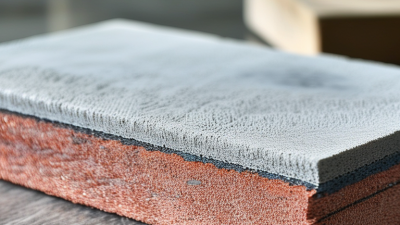
Dry diamond polishing pads are revolutionizing surface finishing. Their durability significantly outlasts traditional abrasives like sandpaper. Made from industrial diamonds, these pads resist wear and tear, providing consistent results over time. Users report fewer replacements and lower costs in the long run. This saved time enhances productivity in various applications.
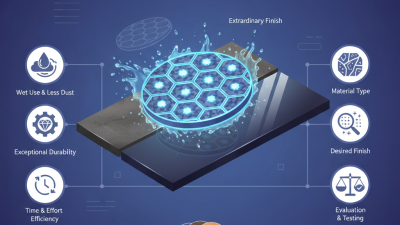
Unlike traditional methods, diamond pads maintain their effectiveness even with heavy use. They require less pressure to achieve smooth finishes, which reduces both time and effort. However, they may take some time to master. New users might struggle initially to find the right technique for optimal results. This learning curve is a small trade-off for the benefits gained. Dry diamond polishing pads also produce less dust, contributing to a cleaner workspace, a key factor for many professionals.
The resilience of these pads also means they can tackle a variety of materials. From concrete to marble, they adapt without losing efficiency. Still, some users may find their performance varies based on the specific material being polished. The need for proper technique and understanding of the material can’t be overlooked. This adaptability makes dry diamond polishing pads a worthwhile investment for those seeking quality and durability.
Top 10 Benefits of Using Dry Diamond Polishing Pads
Applications of Dry Diamond Polishing Pads Across Various Industries
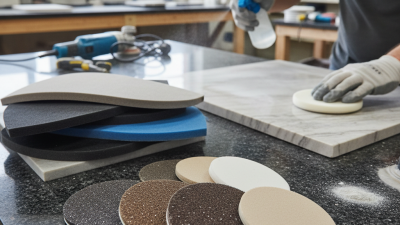
Dry diamond polishing pads are versatile tools used in various industries. In construction, they are essential for achieving a flawless finish on concrete and stone surfaces. Whether you are working on floors or countertops, these pads deliver a smooth appearance that enhances the aesthetic value of your projects. Their ability to work without water makes them particularly useful in tight spaces and during renovations.
In the automotive sector, dry diamond pads excel at polishing surfaces to a high gloss. They are used for finishing paint, metal, and glass. The precision these pads offer helps avoid scratches and imperfections. Their effectiveness also contributes to a higher resale value for vehicles.
Here are some tips for using dry diamond polishing pads effectively:
- Start with a lower grit pad to remove any major imperfections.
- Always keep the pad flat against the surface for even results.
- Don't rush your work; take your time for best outcomes.
Take note that over time, pads can wear down, leading to inconsistent finishes. Regularly inspecting your tools is crucial. Not all surfaces respond the same way, so experimentation may be necessary to find the best approach for unique materials.
Top 10 Benefits of Using Dry Diamond Polishing Pads
| Benefit |
Description |
Applications |
Industry |
| High Efficiency |
Achieves a high level of polished finish quickly. |
Marble Floors |
Construction |
| Versatility |
Can be used on various surfaces. |
Granite, Concrete |
Stone Fabrication |
| Dust-Free Operations |
Reduces dust generation during the polishing process. |
Indoor Use |
Renovation |
| Cost-Effective |
Long-lasting, reducing the cost per use. |
Commercial Spaces |
Retail |
| Easy to Use |
Simple application requiring minimal training. |
DIY Projects |
Home Improvement |
| Enhanced Gloss |
Provides a reflective finish. |
Restaurants, Hotels |
Hospitality |
| Water-Saving |
Requires significantly less water than wet polishing. |
Outdoor Patios |
Landscaping |
| Consistent Results |
Ensures uniform finish across surfaces. |
Residential Floors |
Real Estate |
| Environmentally Friendly |
No chemicals required, safer for users. |
Green Buildings |
Sustainable Development |
Cost-Effectiveness of Using Dry Diamond Polishing Pads
Dry diamond polishing pads are increasingly gaining attention for their cost-effectiveness. They allow users to achieve high-quality finishes without the need for expensive equipment or extensive maintenance. Users can expect impressive results on various surfaces. This benefit makes them ideal for both professionals and DIY enthusiasts.
Another aspect to consider is the longevity of these pads. Although they might seem like a higher investment upfront, their durability can offset costs over time. They resist wear and tear far better than traditional pads. However, users need to be mindful of the correct application methods. Not utilizing the appropriate technique can lead to premature wear. This is a crucial detail often overlooked.
Moreover, employing dry diamond polishing pads can reduce expenses related to cleanup. There's no need for water or other materials, minimizing mess and time spent on the job site. That said, a learning curve exists. Beginners may find it challenging to master the right pressure and speed. These factors play a critical role in achieving optimal results. Recognizing this can enhance the value of these pads.
Environmental Benefits of Choosing Dry Diamond Polishing Solutions
Dry diamond polishing pads are an excellent choice for various tasks. They offer significant environmental benefits when used appropriately. These pads do not require water, which means less waste and easier cleanup. This feature significantly cuts down on water consumption, a critical factor in regions facing water scarcity.
Moreover, dry diamond polishing solutions reduce the need for harmful chemicals. Many traditional polishing methods involve solvents that can be toxic and environmentally damaging. By opting for diamond pads, users minimize their carbon footprint. The durable nature of these pads means less frequent replacements, which leads to reduced waste in landfills.
While the advantages are clear, there are areas needing further evaluation. Some users might find that dry polishing pads require a learning curve. Mastery involves understanding pressure, speed, and technique. This complexity may lead to imperfect finishes initially. However, with practice, the environmental benefits outweigh the challenges.