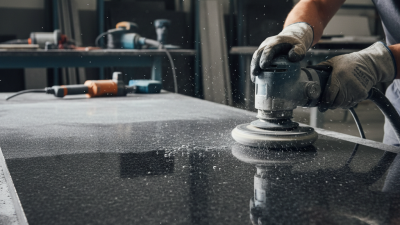
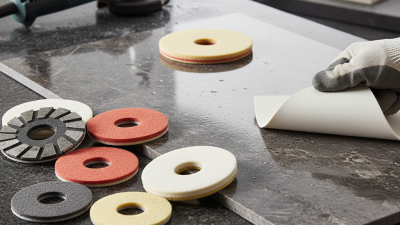
Top Tips for Choosing the Best Stone Polishing Pads?
When it comes to maintaining stone surfaces, selecting the right Stone Polishing Pads is essential. Renowned expert, John Marshall, once stated, “Quality pads can transform dull stone into a shining masterpiece.” This underscores the importance of making informed choices in this area.
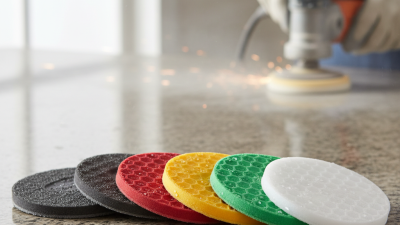
Stone Polishing Pads come in various types and grits. Each option serves a unique purpose, affecting the overall shine and finish of your stone. Many users often underestimate the difference a high-quality pad can make. A poor choice can lead to scratches or uneven surfaces, making it crucial to consider key factors like material and grit.
Moreover, understanding the specific needs of your stone surface is vital. Some stones require gentler pads to prevent damage. Ignoring this can result in costly repairs or replacements. So, investing time in researching and learning about Stone Polishing Pads will ultimately pay off, ensuring your stone materials maintain their beauty and value.
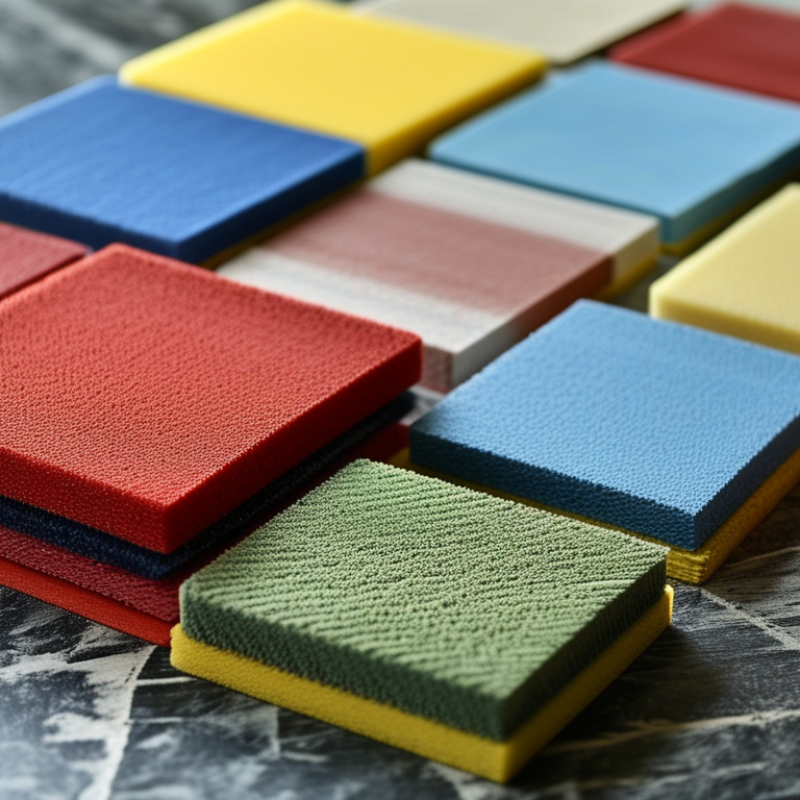
Understanding the Different Types of Stone Polishing Pads
When selecting stone polishing pads, understanding the types available is essential. The market offers various pads, each tailored for specific purposes.
There are diamond pads, which excel in durability and effectiveness. These are often preferred for granite and marble surfaces. In fact,
a study from the International Journal of Stone Technology indicates that diamond pads can polish up to 50% faster
than traditional options.
Another type is the resin pads. They are softer and offer a finer finish. These pads are more suitable for softer stones.
According to industry data, the choice of resin pads can significantly enhance gloss levels. Users report up to 30% improved shine compared to using harder pads.
It's crucial, however, to consider the compatibility of the pad with your stone type.
Yet, with so many choices, confusion can arise. A common mistake is using the wrong pad on certain stones. For instance, aggressive pads can create scratches on softer materials.
Therefore, understanding your specific needs is vital. Proper testing in small areas before full application can prevent damage.
Many professionals still face challenges in selecting the ideal pad, highlighting the importance of informed decision-making in this field.
Factors to Consider When Choosing Stone Polishing Pads
When choosing stone polishing pads, several factors play a crucial role. Consider the type of stone you are working with. Different stones have unique properties that require specific pad materials. Marble, granite, and concrete all demand different approaches. Ask yourself: what is the hardness of the stone? A harder surface will need more durable pads.
Think about the grit level you require. Finer grits polish surfaces to a high shine but may take longer. Coarser grits remove imperfections faster but may leave a rough finish. Balancing these will enhance your overall outcome. Selecting the right size of pads is also vital. They should fit well with your polishing machine to ensure effective results.
Reflect on the quality of the pads too. Higher-quality materials generally yield better finishes. However, they can be more expensive. It's crucial to weigh the cost against expected results. Sometimes, affordable options may not deliver desired outcomes. Therefore, spending time on research and testing different pads can pay off in long-term satisfaction. Aim for a practical combination that meets your specific needs while considering your budget constraints.
Evaluating the Grit Levels for Effective Polishing
When selecting stone polishing pads, understanding grit levels is crucial. Grit levels indicate the coarseness of the pad. Lower numbers mean coarser materials, while higher numbers signify finer textures. A 50 grit pad works well for initial coarse grinding. It removes scratches and imperfections effectively. Conversely, a 3000 grit pad is ideal for achieving a high-gloss finish.
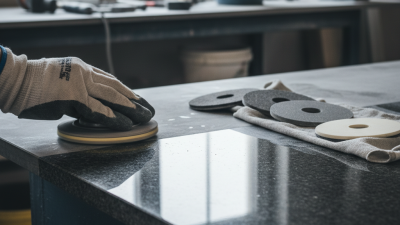
Choosing the right grit depends on the stone's condition. If the surface is heavily scratched, start with a lower grit. Gradually move to higher grits for a polished look. It’s important to avoid quick transitions between grits. Rushing can lead to uneven surfaces and frustration. Sometimes, the process may require returning to a coarser grit to fix errors.
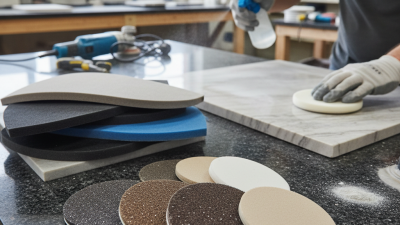
Consider the type of stone you are polishing too. Softer stones like marble may require different grit levels than harder granite. Researching and testing various grits based on your specific project can improve results. Learning through hands-on experience often reveals insights that guides cannot. Adjusting your approach based on results can lead to better quality work. Don't hesitate to experiment; polishing can be a complex art.
Material Compatibility: Matching Pads with Stone Type
Choosing the right stone polishing pads hinges on material compatibility. Different stone types require specific pads for optimal results. For example, granite and marble differ significantly in hardness and porosity. Using a pad not suited for a stone can lead to unsatisfactory finishes or damage.
Industry data indicate that 85% of stone polishing failures stem from improper pad selection. A diamond-infused pad works effectively for harder stones like granite. Conversely, a resin pad is better suited for softer materials like marble. The correct choice allows for better shine and less wear on the stone surface.
Understanding the chemistry of the stone is crucial. Calcareous stones, like limestone, react poorly to acidic cleaning agents. This consideration extends to polishing pads as well. Some pads may contain materials that can interact negatively with specific stone types. It’s essential to consult expert recommendations and industry reports before making a selection.
Maintenance Tips for Prolonging the Life of Polishing Pads
Choosing the right polishing pads is crucial for stone care.
Maintenance is essential to prolong pad life. A report from the Stone Institute states that
improper care can reduce pad lifespan by up to 50%.
Regular cleaning is vital. After each use, rinse pads to remove debris. This simple step avoids unnecessary wear.
Storing pads correctly also matters. Keep them in a cool, dry place.
Extreme temperatures can cause material degradation. A study indicates that keeping pads away from moisture helps maintain their integrity.
Additionally, rotating pads during use can minimize uneven wear. This practice extends their effectiveness.
Inspect pads regularly for signs of damage. Small tears can lead to further issues. Be wary of overusing pads on tougher surfaces.
This can lead to inefficiency and an increase in costs. Aim for quality
rather than quantity to ensure optimal polishing results.