2026 Top Stone Polishing Pads for Global Buyers Guide?
In the ever-evolving world of stone care, the demand for high-quality Stone Polishing Pads continues to rise. Professionals in the industry emphasize their importance in achieving a flawless finish on natural stones. Renowned expert Dr. Emily Harris states, “Investing in the right polishing pads can significantly impact the lifespan and appearance of your stone surfaces.”
Stone Polishing Pads play a crucial role in various applications, from home renovations to commercial projects. The right pad can enhance efficiency and ensure superior results. With numerous products flooding the market, buyers face challenges in selecting the best options. Understanding the materials, grits, and pads' intended uses is vital for making informed choices.
As you explore the 2026 Top Stone Polishing Pads for Global Buyers Guide, remember that no product is perfect. Each pad may present unique challenges and limitations. Reflecting on these aspects is essential when assessing your needs and options. This guide aims to provide detailed insights, helping you navigate the diverse landscape of Stone Polishing Pads effectively.
Overview of Stone Polishing Pads and Their Importance
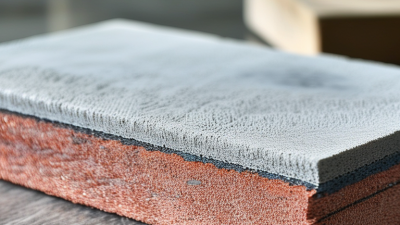
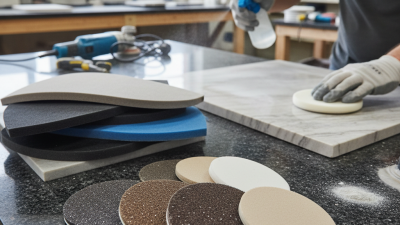
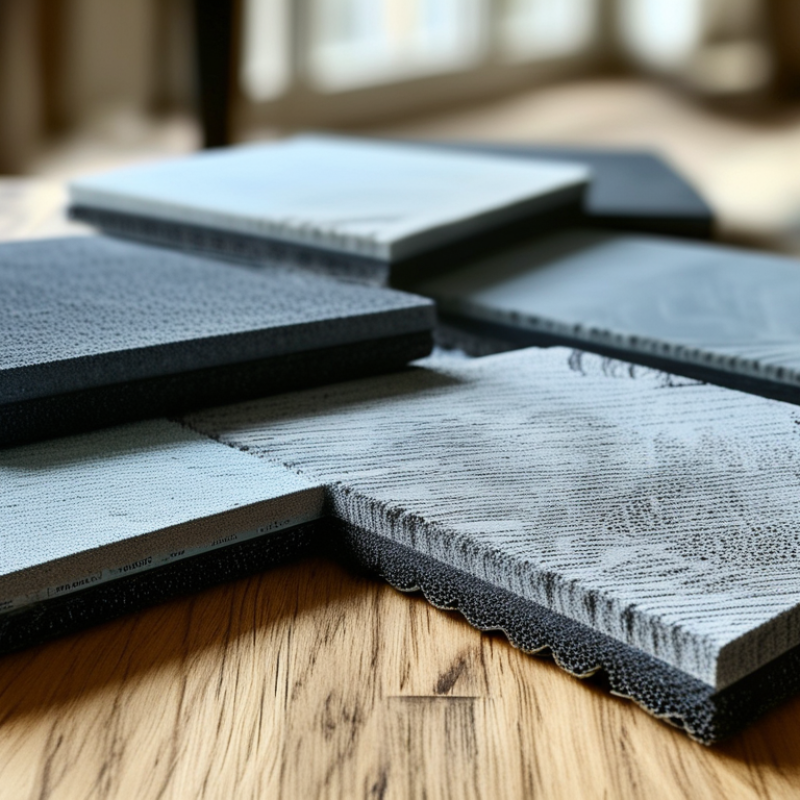
Stone polishing pads play a crucial role in the maintenance of various stone surfaces. These pads are essential for enhancing the aesthetic appeal of granite, marble, and concrete. They work by smoothing out imperfections, removing scratches, and creating a polished finish. A well-polished surface not only looks attractive but also extends the life of the stone. Each type of pad serves a specific purpose, such as grinding, honing, or polishing. Knowing the right pad to use can significantly impact the final results.
While the benefits are clear, the selection process can be daunting. Many buyers often struggle to choose the right pads for their needs. It’s easy to make mistakes, especially with so many options available. Factors like pad grit, material, and purpose must be considered. Additionally, the polishing technique used in the process can lead to different outcomes. A novice might overlook these details, leading to less desirable finishes.
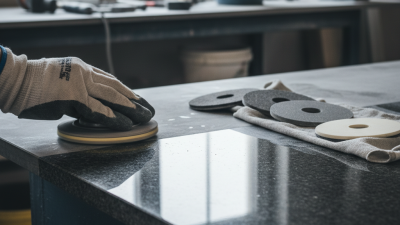
Professional insights are invaluable in navigating these challenges. Experienced users suggest starting with a coarse pad for initial grinding. Progressing through finer pads can yield the best results. Proper water or lubricants can also enhance the polishing process. Mistakes, like using the wrong grit, can waste time and resources. Understanding these nuances can lead to both professional and amateur success in stone care.
Types of Stone Polishing Pads for Various Applications
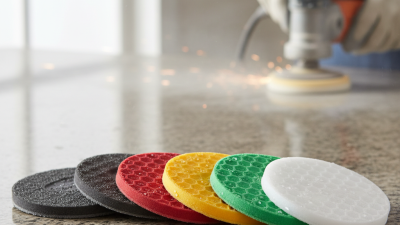
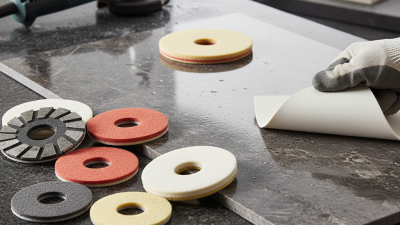
When choosing stone polishing pads, understanding their types is crucial. Different applications require specific characteristics and performance. For example, resin pads excel in achieving a high gloss finish on marble and granite. They enhance the surface while minimizing scratches, making them a favorite among professionals.
According to a recent market report, the global demand for diamond polishing pads has surged by over 15% annually. This is largely due to their longevity and efficiency in stone restoration processes. However, over-reliance on one type can be problematic. Maintaining a diverse range can mitigate the risk of suboptimal finishes, especially on complex surfaces.
In addition to resin and diamond pads, there are also ceramic options. These pads are ideal for softer stones and provide a different feel. Some users find that ceramic pads do not maintain their performance over time, suggesting occasional fluctuations in quality. Resources indicate that mixing different pad types may lead to fewer inconsistencies. This strategy is often overlooked but can yield significant results in stone care.
2026 Top Stone Polishing Pads for Global Buyers Guide
| Pad Type |
Material |
Grit Size |
Application |
Suitable For |
Average Lifespan |
| Diamond Polishing Pad |
Diamond |
50 - 3000 |
Granite, Marble |
Nature Stone |
20 - 30 hours |
| Resin Polishing Pad |
Resin |
100 - 3000 |
Concrete, Stone |
Soft Surface |
15 - 25 hours |
| Ceramic Polishing Pad |
Ceramic |
50 - 300 |
Marble, Tiles |
Porous Materials |
10 - 15 hours |
| Synthetic Polishing Pad |
Polyester |
30 - 200 |
Concrete, Stone |
Various Surfaces |
12 - 18 hours |
| Fiber Polishing Pad |
Fiber |
50 - 3000 |
Marble, Granite |
Textured Surfaces |
15 - 20 hours |
Key Features to Consider When Choosing Polishing Pads
Choosing the right polishing pads is essential for achieving the desired finish on stone surfaces. The material of the pad significantly impacts its performance. Common materials include diamond, resin, and ceramic. According to industry reports, diamond pads are preferred for their durability and efficiency in removing rough surfaces. However, resin pads might be more suitable for high-gloss finishes on softer stones.
Another key feature to consider is the grit size. Grit sizes range from coarse to fine. Coarser pads are used for rapid material removal, while finer grit pads achieve a polished look. Research indicates that starting with a lower grit and gradually moving to a higher one yields better results. Many users also find the weight and flexibility of the pads affect control during use.
Compatibility with the stone type is critical. Some pads work well with granite, while others are better for marble. It's important to verify if a pad’s design suits the specific stone texture. The absence of reliable information about a pad's performance on various stones can lead to dissatisfaction. Users often report frustration due to mismatched pads and outcomes.
Top Brands and Manufacturers of Stone Polishing Pads
When exploring stone polishing pads, knowing the top brands and manufacturers can elevate your choices. A quality pad can enhance the polish, durability, and ease of use. Leading brands are recognized for their consistent performance and innovation. It’s essential to research their offerings and understand which features best cater to your needs.
Proper selection of pads requires understanding the materials involved. Different pads work better with softer or harder stones. For instance, diamond pads are a staple for granite, while resin pads excel on softer surfaces. Matching the pad to the stone type ensures an efficient polishing process. Consider the grit levels; finer grits produce a higher shine.
Keep in mind that not all pads will perform perfectly. Test a few options to find what works best. Some pads may wear out faster than expected. Tracking wear patterns can help in future purchasing decisions. Always evaluate your specific job needs before making a commitment. This approach leads to more informed choices, enhancing your overall polishing experience.
Global Market Trends and Buyer Preferences in Stone Polishing Pads
As the global demand for stone polishing pads grows, understanding market trends is essential. Buyers are increasingly favoring pads that offer durability and efficiency. Many professionals express a desire for products that can reduce polishing time while maintaining high-quality finishes. However, not all pads meet these expectations, leading to dissatisfaction.
Environmental considerations are also impacting buyer preferences. Sustainable materials are becoming more important as consumers seek eco-friendly options. While some pads may claim to be 'green,' detailed transparency about their materials is still lacking. This raises questions about the true environmental impact of these products.
Another aspect to consider is the variety of finishes available. Buyers often seek specific textures and grits. These choices can affect the final appearance of the stone. Nevertheless, the overwhelming number of options can confuse buyers. Clear guidance and expert recommendations are often needed, yet they are not always available. This gap in information leads to reflection on the importance of reliable resources for informed purchasing decisions.