

page_banner

Why Use Wet Diamond Polishing Pads for Stone?

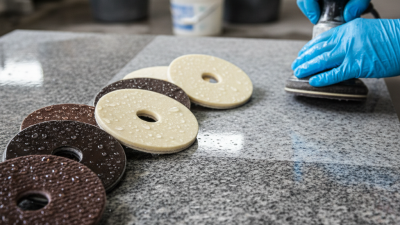
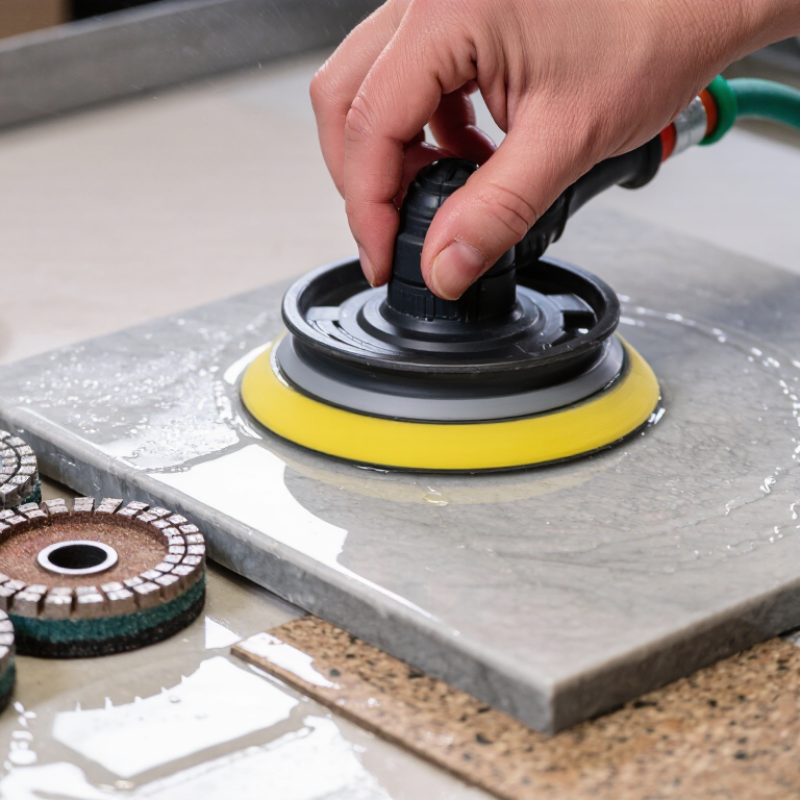
Choosing the right polishing method can determine whether stone looks refined or visibly overworked. A Wet Diamond Polishing Pad uses water to cool the abrasive surface during grinding and polishing. This reduces heat buildup, limits airborne dust, and helps preserve the stone’s natural color. On marble, granite, terrazzo, and engineered stone, that control matters.

Stone restoration educator Fred M. Hueston has expressed a valuable principle: “A good restoration should be invisible.” That idea explains why professionals often choose wet polishing. Water helps create a smoother working process, especially when removing scratches, lippage marks, or dull areas. The pad cuts more consistently when the surface stays cool and clean. Fine slurry also carries away loose abrasive particles. The finish can become clearer, deeper, and more uniform.

It is not magic.

A Wet Diamond Polishing Pad still requires experience. Operators must match the grit sequence to the stone’s hardness and condition. Excessive pressure may leave uneven reflections or premature pad wear. Too little water can create heat and reduce cutting performance. Too much water can hide the working area and complicate inspection. Small details matter, including machine speed, hand movement, drainage, and edge control.

This guide examines why wet diamond pads remain important in professional stone care. It also considers their limitations, maintenance needs, and practical selection criteria. Some results may still vary. Stone is a natural material, and every slab carries its own weaknesses, pores, and mineral patterns. That uncertainty deserves respect.
Why Use Wet Diamond Polishing Pads for Stone?

Wet Polishing Controls Respirable Silica Below OSHA’s 50 µg/m³ Limit

Why Use Wet Diamond Polishing Pads for Stone?

Wet diamond polishing pads help control respirable crystalline silica during stone finishing. OSHA’s permissible exposure limit is 50 µg/m³, measured as an eight-hour time-weighted average. Water binds fine particles at the cutting surface. It keeps dust from becoming airborne around the worker’s breathing zone. The process also cools the pad and reduces heat marks on the stone. In practice, a steady water stream matters more than occasional spraying. Watch the slurry. Thick, drying residue can release dust again when disturbed. Wet polishing is not magic. Poor water flow, weak ventilation, or careless cleanup can still create exposure.

Tips: Use enough water to keep the contact area visibly wet. Check hoses, fittings, and pad wear before work. Remove slurry with wet cleaning methods or a properly rated HEPA vacuum. Never sweep dried residue. Keep nearby workers away from splash and contaminated areas. Personal respiratory protection may still be necessary after a site-specific exposure assessment. Air monitoring is the reliable way to confirm conditions remain below OSHA’s limit. Local requirements may differ, so review the applicable safety rules and product instructions. I have found that rushed setup causes more problems than the polishing itself. A simple inspection checklist can prevent that.

Diamond Grit Progression from 50 to 3,000 Shapes Stone Surface Finish

Wet diamond polishing pads rely on a controlled grit progression to reshape and refine stone. Water cools the working surface, limits dust, and carries loose abrasive slurry away from the pad. The 50-grit stage removes lippage, stains, and deep scratches, but it leaves visible cutting marks. A steady hand matters here. Uneven pressure can create shallow waves across the slab.

Move gradually through 100, 200, 400, and 800 grit. Each stage should remove the scratches from the previous one. Do not rush. I usually wipe the surface clean and inspect it under angled light before changing pads. If 200-grit lines remain, the 400-grit pad will not hide them. It may only make inspection more difficult. Water should flow evenly, while excessive pressure can slow cutting and wear the pad unevenly.

At 1,500 and 3,000 grit, the surface begins to develop clarity, depth, and a smoother reflection. Marble may respond with a soft sheen, while granite often needs longer polishing at the finer stages. Results also depend on mineral hardness, previous damage, and operator control. The progression from 50 to 3,000 is useful, but it is not an absolute formula. Some floors need an extra pass. I have occasionally advanced too soon and had to return to a coarser grit. Careful inspection prevents that mistake.

Water Cooling Extends Pad Life by Managing Frictional Heat

Why Use Wet Diamond Polishing Pads for Stone?

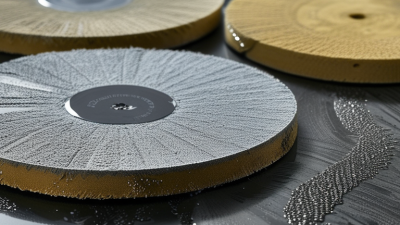
Water cooling is central to wet diamond polishing. Friction between the pad and stone creates heat within seconds. Without control, resin can soften, diamonds can release unevenly, and the pad may glaze over. A steady water film carries heat away from the contact area. It also removes fine stone dust before it clogs the abrasive surface.

In practical stonework, I watch the water trail closely. It should remain continuous, not appear as scattered drops. Clean water flowing across the pad helps maintain a more stable working temperature. Moderate pressure is important too. Excessive pressure creates heat faster than cooling can remove it. That mistake often shortens pad life.

Wet polishing also gives a smoother finish on granite, marble, and engineered stone. The abrasive cuts with less friction and leaves fewer visible scratches between grit stages. Still, water is not a complete solution. I have seen pads wear quickly when operators use low flow, excessive speed, or the wrong grit sequence. The method requires adjustment. Stone hardness, edge shape, and surface condition all change the result. After each pass, I inspect the pad for glazing, uneven wear, or embedded particles. A brief pause can prevent a small heat problem from becoming permanent damage.

Industrial Diamond Abrasives Deliver Consistent Removal on Hardness 3–7 Stone

Why Use Wet Diamond Polishing Pads for Stone?

Stone hardness changes quickly across real projects. Limestone may measure around 3–4 on the Mohs scale, while granite commonly reaches 6–7. Wet diamond polishing pads suit this range because industrial diamond has a Mohs hardness of 10. The abrasive cuts harder minerals while water cools the contact area and carries away loose particles.

Consistency matters on large floors. The USGS Mineral Commodity Summaries 2024 identifies synthetic diamond as the main industrial diamond material, supporting its broad use in controlled abrasive production. Properly graded diamond particles can maintain steadier removal than softer abrasives, especially when operators work across mixed stone surfaces. ASTM C241/C241M also evaluates stone abrasion through measured material loss, not visual shine alone.

Water helps, but it is not a complete control measure. OSHA’s respirable crystalline silica rule sets an action level of 25 μg/m³ and a permissible exposure limit of 50 μg/m³ over eight hours. Wet polishing can reduce airborne dust, though ventilation and suitable protective equipment remain necessary. Keep the pad moving. Excess pressure can create swirl marks, heat, or uneven edges.

One practical weakness remains. Results vary.

A dense granite slab and a porous limestone tile need different speeds, water flow, and grit sequences. I would test a small area first, record removal rate, and inspect the surface under angled light. That simple check often prevents expensive rework.

Wet Pads Improve Gloss Uniformity Across Granite, Marble, and Engineered Stone

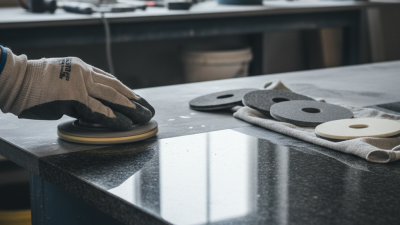
Wet diamond polishing pads help create more uniform gloss across granite, marble, and engineered stone. Water cools the working surface and carries away loose mineral particles. This reduces heat marks, dry scratches, and uneven dull patches during polishing.

On granite, I usually check the surface after each grit under angled light. Dark slabs can hide shallow scratches until the final stages. Marble needs lighter pressure because its softer minerals can develop cloudy areas quickly. Engineered stone often responds evenly, but exposed aggregates may reflect light differently. Consistent water flow matters. Too little water allows residue to build around the pad. Too much can make the surface difficult to inspect.

A practical sequence may move from medium grits toward finer polishing grades, depending on the stone’s condition. Keep the machine moving at a steady pace. Overlapping passes help prevent visible bands between working areas. Edges require special care, since pressure changes easily near corners. I once increased pressure to correct a dull section, but created a wider transition mark instead. That mistake reinforced a useful lesson: inspect often, and correct gradually. The final gloss should look continuous from several angles, not merely bright beneath direct light. Even experienced installers may need to adjust water, speed, and pressure when slabs vary in density.

Why Use Wet Diamond Polishing Pads for Stone? — Wet Pads Improve Gloss Uniformity Across Granite, Marble, and Engineered Stone

Practical comparison of wet polishing performance, process requirements, and finish consistency. Values are typical working guidance; the exact result depends on stone composition, pad design, equipment, operator technique, and surface condition.

Stone Material Typical Mineral or Surface Characteristics Why Wet Diamond Pads Are Suitable Common Wet Grit Progression Typical Water Guidance Gloss Uniformity Benefits Important Process Considerations
Granite Hard, crystalline natural stone; commonly contains quartz and feldspar. Mohs hardness is typically about 6–7, although composition varies. Water cools the diamond tooling, flushes away abrasive swarf, and helps reduce localized heat and resin loading during extended polishing. 50/100 200 400 800 1,500 3,000 Buff Use a continuous, moderate water film sufficient to keep the pad and stone cool without flooding the work area. Increase flow if the pad or slab becomes visibly hot. More even scratch refinement across harder quartz-rich areas and softer mineral zones; reduced risk of heat-related haze and uneven resin gloss. Maintain consistent machine pressure and overlapping passes. Do not skip grits when deep saw marks or lippage remain.
Marble Calcium-carbonate-based natural stone; generally softer and more acid-sensitive than granite. Mohs hardness is commonly about 3–5. Wet processing limits frictional heat and helps remove fine slurry, supporting controlled refinement of scratches without excessive surface burnishing. 50/100 200 400 800 1,500 3,000 Polish Apply enough water to keep the working area wet and the pad free of compacted slurry. Avoid stagnant slurry, which can obscure scratch patterns and reduce process control. Helps produce a more consistent reflective appearance across veining and varying crystal density while reducing localized dull spots caused by dry friction. Use lighter pressure than on granite. Test a small area because color, porosity, veining, and previous treatments can change the final appearance.
Engineered Quartz Manufactured composite containing a high proportion of quartz aggregate bound with polymer resin. Surface hardness and resin response vary by formulation. Water helps control heat generated at the resin-rich surface and removes abrasive residue that may otherwise cause uneven haze or loading. 100 200 400 800 1,500 3,000 Final Polish Keep the pad and surface uniformly wet, but avoid excessive flow that can wash slurry onto adjacent finished areas or interfere with visibility. Promotes a more uniform finish between quartz particles and resin areas and helps minimize heat-induced gloss variation. Follow the surface manufacturer’s care guidance. Excessive heat, aggressive pressure, or unsuitable chemicals may affect the resin binder.
Engineered Marble Crushed marble or calcium-carbonate aggregate combined with resin or cementitious binders. Hardness and porosity can vary significantly. Wet pads provide cooling and slurry removal while allowing a controlled transition from scratch removal to final polishing. 50/100 200 400 800 1,500 3,000 Use steady water coverage and clean the work area regularly so removed material does not re-enter the polishing path. Reduces visible differences between aggregate and binder zones, improving overall sheen continuity on large surfaces. Verify compatibility with the binder system. Avoid assuming that a progression designed for natural marble will produce the same result.
Travertine Porous calcium-carbonate stone with natural voids and variable density. It is generally softer than granite and may require filling before polishing. Water helps control dust and heat while the operator refines the filled and unfilled areas together. 50/100 200 400 800 1,500 3,000 Use sufficient water for cooling and slurry evacuation, while preventing slurry from drying inside open pores or unfilled voids. Supports a more consistent appearance across dense areas, filled pores, and naturally variable zones. Fill voids before final polishing when a continuous reflective finish is required. Clean and inspect between grits.
Concrete Terrazzo Composite flooring or slab material containing marble, granite, glass, or other aggregate in a cementitious or resin matrix. Wet grinding suppresses airborne dust, removes abrasive debris, and helps manage heat across materials with different hardness levels. 30/50 100 200 400 800 1,500+ Maintain enough water to keep the cutting zone cool and prevent slurry buildup; use suitable wastewater collection and disposal practices. Helps balance gloss across soft matrix areas and harder aggregate, reducing patchy reflection caused by uneven wear. Aggregate type, binder type, curing condition, and previous coatings strongly influence the suitable grit sequence and final sheen.

General operating principle: Wet diamond pads normally provide better temperature control, debris removal, and scratch-pattern visibility than dry processing. Use progressive grit changes, consistent overlapping passes, appropriate pressure, and clean water management to achieve the most uniform gloss.