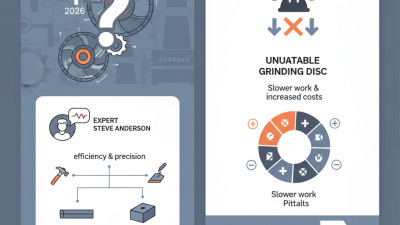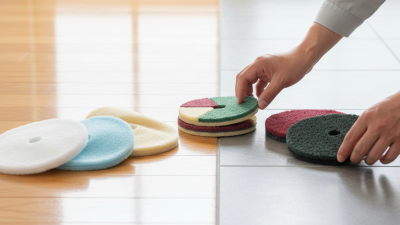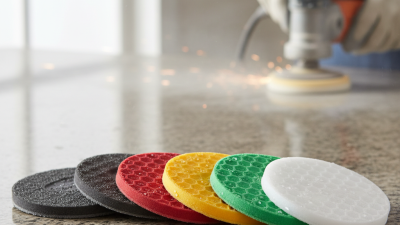


In the bustling world of metalworking, the right tools can make all the difference. Among them, the Grinding Disc stands out as a key component for both cutting and grinding tasks. According to industry expert John Anderson, “Selecting the right Grinding Disc is crucial for achieving optimal performance.” His insight underscores the importance of understanding the specific needs of your project.
Many professionals face challenges in selecting the appropriate Grinding Disc for diverse applications. Different materials require different disc types. Moreover, quality and performance can vary significantly among brands. For instance, while some discs may excel in durability, they might not provide a clean cut, leading to inefficiencies.
It’s essential to reflect on your experiences with Grinding Discs. Have you ever been frustrated by a disc that wore out too quickly or failed to deliver the expected results? Understanding these nuances can guide you toward better choices in the future. A well-informed decision can ultimately enhance your productivity and satisfaction in your grinding tasks.
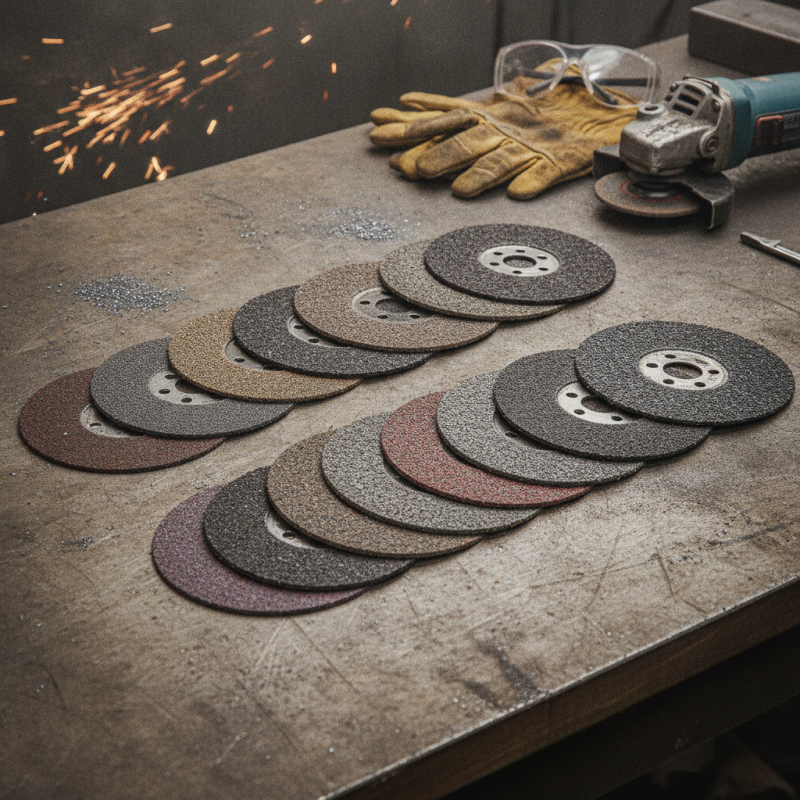
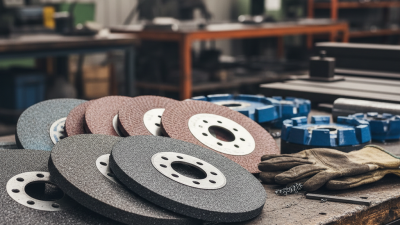
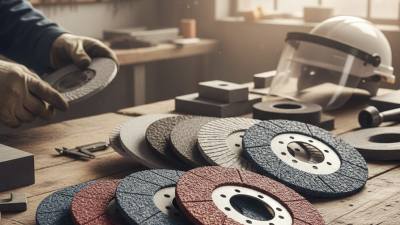
Grinding discs play a crucial role in various applications, from cutting metal to polishing surfaces. There are several types of grinding discs, each designed for specific tasks. For instance, abrasive discs excel in removing material quickly, while flap discs offer versatility and control. Understanding these differences can enhance your efficiency and safety.
When selecting a grinding disc, consider the material you'll be working on. Different materials require different types of discs. For hard metals, a thin cutting disc is often ideal. For softer materials, you may prefer a thicker disc that provides more control. This choice can impact your performance significantly.
Tips: Always wear the appropriate safety gear. Protect your eyes and hands from debris and sparks. Using the right disc for the job also minimizes risks. It’s not uncommon to see users struggle with the wrong type of disc. Ensure you regularly check for signs of wear and tear. A worn disc can compromise your work quality and safety.
| Disc Type | Material | Diameter (mm) | Thickness (mm) | Application | Grit Size |
|---|---|---|---|---|---|
| Diamond Grinding Disc | Synthetic Diamond | 125 | 5 | Masonry, Concrete | 30/40 |
| Zirconia Grinding Disc | Zirconia Alumina | 115 | 6 | Metal, Steel | 60/80 |
| Alumina Oxide Grinding Disc | Aluminum Oxide | 230 | 7 | Wood, Plastics | 120 |
| Flap Disc | Alumina | 115 | 10 | Metal, Welds | 40/60 |
| Cutting Disc | Ferrous Material | 230 | 3 | Metal Cutting | 1.0 |
| Resin Grinding Disc | Resin Bond | 125 | 4 | Ceramics | 100 |
| Silicon Carbide Grinding Disc | Silicon Carbide | 100 | 6 | Glass, Stone | 80 |
| Ceramic Grinding Disc | Ceramic | 150 | 5 | Non-ferrous Metals | 120 |
| Diamond Cup Wheel | Diamond | 125 | 10 | Concrete Finishing | 40 |
| Premium Grinding Disc | Alumina + Zirconia | 180 | 4 | Versatile Metal | 60/80 |
When selecting high-performance grinding discs, several key features are crucial. The material of the disc plays a significant role. Choose discs made of high-quality steel or diamonds for superior longevity. These materials ensure they withstand intense pressure during operation. Grit size is also essential. Finer grit is ideal for polishing, while coarser grit excels in heavy material removal. Balancing these is vital for achieving desired results.
The structure of grinding discs impacts performance. Discs with a reinforced design can withstand higher loads. They reduce breakage, enhancing safety and performance during use. Furthermore, pay attention to the disc thickness. Thicker discs tend to offer better stability. However, they may limit flexibility in tight spaces. Consider your specific needs when prioritizing disc thickness.
Lastly, compatibility with your tool is non-negotiable. Ensure the disc matches your grinder specifications. This can prevent inefficient operation or damage to the tool. Reflection on your past experiences with discs can help you identify what works best. Testing various options can lead to newfound efficiency in your projects. Be mindful that not every disc may meet your expectations, and adjustments may be necessary for optimal performance.
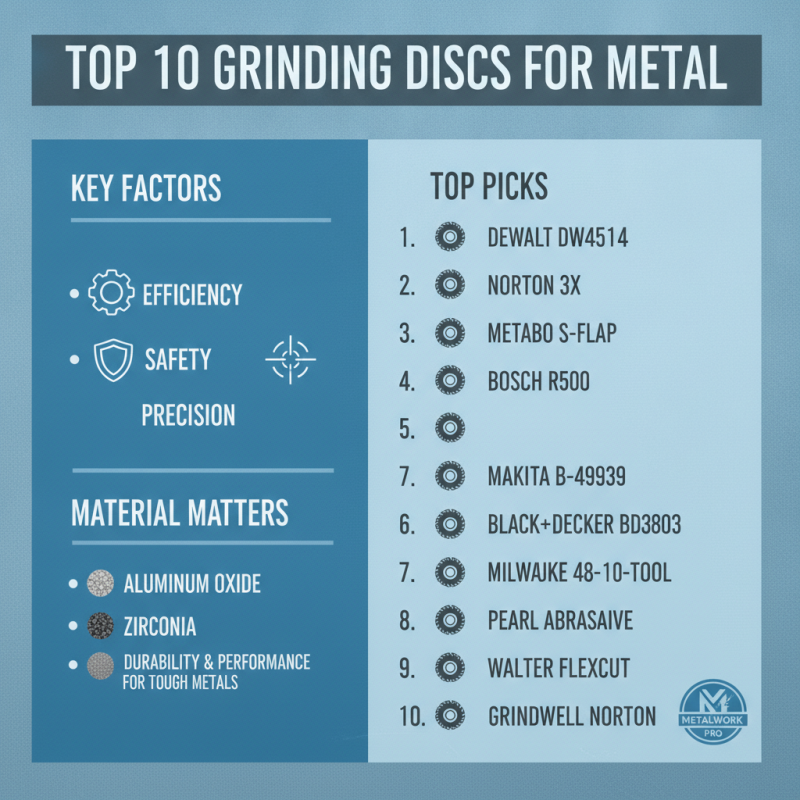
When it comes to metal cutting and grinding, choosing the right grinding disc is crucial. The ideal disc will provide efficiency while ensuring safety and precision. There are various types available, each designed for specific materials and tasks. For tough metals, look for discs with aluminum oxide or zirconia grains. These materials excel in durability and performance.
Performance is not just about the disc; it's also about the user’s skill. Improper technique can lead to uneven cuts or damage to the workpiece. Ensure you maintain the correct angle while applying even pressure. This will enhance both the cutting and grinding experience. Over time, you'll learn which discs perform best in various situations.
It's easy to fall into the trap of using the same disc for all tasks. Regularly assessing the performance of your grinding discs is key. Are they wearing evenly? Do they cut effectively? Monitoring these factors can help you adjust your approach. Experimenting with different discs for specific tasks can lead to better results in your projects. Take note of what works and what doesn’t.
Using grinding discs effectively requires a focus on safety. Always wear protective gear, including goggles and gloves. Discs can shatter, and debris can cause serious injuries. Ensure your workspace is clear of flammable materials. It's crucial to inspect the disc before use. Look for cracks or damage. A faulty disc can lead to accidents.
Proper technique is essential for best results. Maintain a steady grip and avoid applying excessive pressure. This prevents overheating and prolongs disc life. It's also wise to use the right disc for each task. Not every disc works for every material. Experimenting without guidance can lead to inefficiencies and safety risks.
Always be mindful of your surroundings. Others nearby should be aware when you are cutting or grinding. Noise and sparks can pose hazards. Reflect on your practices regularly. Are you following the guidelines? Is there room for improvement? Being vigilant can save you from serious mishaps in the long run.
When selecting grinding discs, material choice directly impacts durability and performance. Research shows that aluminum oxide discs work effectively for general-purpose grinding. These discs exhibit decent wear resistance and can handle diverse materials. However, they may wear out faster than other options under heavy use. This fact raises a question: are you sacrificing longevity for immediate performance?
Diamond grinding discs offer superior durability. They outperform other materials in longevity and precision for hard surfaces. According to a recent industry report, diamond discs can last up to 50% longer than ceramic discs. However, they usually come at a higher price point. Choosing a grinding disc isn’t just about cost. The trade-offs between performance and durability can shape the quality of your finished work.
Additionally, synthetic resins in grinding discs have gained popularity recently. They provide a balance between comfort and resilience. Yet, their performance can drop significantly in extreme conditions. Many professionals report mixed experiences based on the specific applications they utilize. Understanding these nuances is critical in making informed decisions about which disc suits your needs best.