Top Tips for Choosing a Dry Diamond Polishing Pad?
Choosing the right Dry Diamond Polishing Pad can significantly impact your polishing results. Expert John Smith, a leading figure in the polishing industry, once said, "The right pad is essential for achieving a flawless finish." His experience underscores the importance of making an informed choice.
When selecting a Dry Diamond Polishing Pad, consider the material and grit levels. Different surfaces require specific pads for optimal performance. For example, softer pads are ideal for delicate surfaces, while harder pads work best on sturdy materials. Understanding these nuances is vital.
Moreover, not all pads are created equal. Some may wear out quickly, while others may not provide the desired shine. It’s essential to test different options before committing. The right pad enhances efficiency and reduces potential errors. Each decision in this process matters greatly, and finding the perfect Dry Diamond Polishing Pad may take some trial and error.
Understanding the Purpose of Dry Diamond Polishing Pads
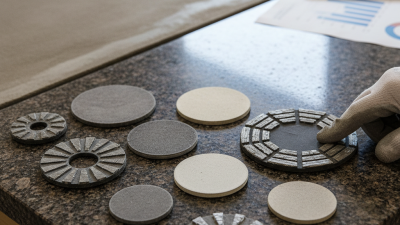
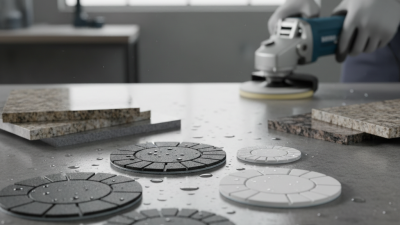
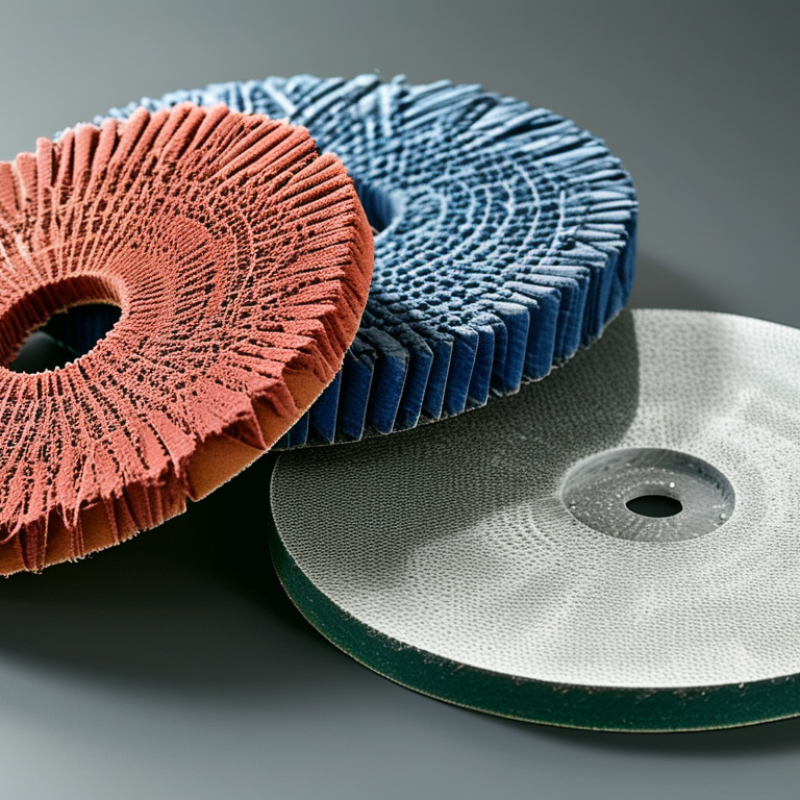
Understanding the purpose of dry diamond polishing pads is essential for achieving the best results in surface finishing. These pads are specifically designed for use on hard surfaces like concrete, granite, and marble. They excel at removing scratches and imperfections while providing a high-gloss finish. Unlike wet pads, dry pads can be used without water, making them ideal for quick jobs or indoor use where moisture control is necessary.
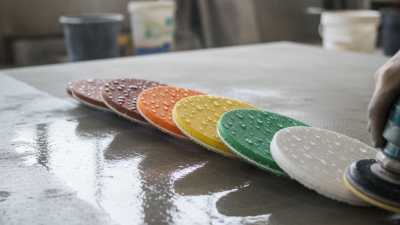
When using dry diamond polishing pads, it’s important to consider their grit size. Lower grits are useful for aggressive grinding and removing more material. Higher grits are perfect for polishing and achieving a smooth, shiny surface. Pay attention to the surface you are working on; different materials may require different pads. Not every pad is suitable for every job, and trial and error may lead to unexpected outcomes.
While many people find success with these pads, not everyone achieves a perfect finish. Some may struggle with achieving consistency across larger surfaces. An uneven touch can lead to streaks, which can be frustrating. Regular practice helps improve technique, but initial results may not always meet expectations. Reflecting on what works and what doesn’t is key to mastering the art of polishing with dry diamond pads.
Top Tips for Choosing a Dry Diamond Polishing Pad
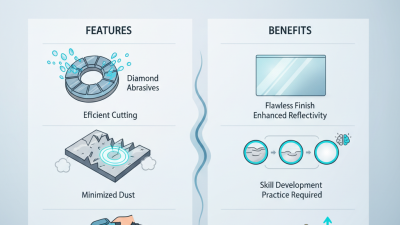
| Feature |
Description |
Benefits |
Application |
| Grit Size |
Different sizes available for various levels of polishing |
Enables more control over surface finish |
Used on concrete, tile, or stone surfaces |
| Durability |
Made from high-quality diamond materials |
Longevity and cost-effectiveness |
Ideal for heavy-duty and industrial use |
| Bond Type |
Soft, medium, and hard bonds available |
Customizes to different materials' hardness |
Effective across various surfaces |
| Backer Type |
Velcro or adhesive backing options |
Easy changing and attachment |
Used with various grinding machines |
| Dust Control |
Some pads designed for minimal dust production |
Creates a cleaner work environment |
Suitable for indoor use |
Key Materials and Grits for Effective Polishing
Choosing the right dry diamond polishing pad is crucial for achieving a polished finish. Understanding the key materials can make a significant difference. Diamond pads typically use synthetic diamonds, known for their durability and effectiveness. The bond type, whether resin or metal, influences the pad's flexibility and lifespan. While resin pads provide a finer finish, metal pads are often better for heavier stock removal.
Grit size also plays a vital role in the polishing process. Finer grits, such as 3000 or 6000, create a glossy surface ideal for the final touches. Conversely, more coarse grits like 50 or 100 are best for initial grinding. The choice of grit should align with your project needs and surface condition. It's essential to experiment with different grits to find the right balance between aggressiveness and smoothness.
Mistakes can happen during polishing. Using too coarse a pad can leave scratches. Alternatively, skipping grits may result in a satin, uneven finish. Assessing your progress is vital. Take breaks to check your work. This reflection can help you adjust your technique and achieve a flawless surface. Trusting your instincts plays a crucial role in the polishing journey.
Evaluating Pad Durability and Longevity
When selecting dry diamond polishing pads, evaluating their durability and longevity is crucial. High-quality pads can withstand extensive use without degrading. Look for a thick, well-constructed design. A pad that wears quickly may force you to replace it often, increasing costs in the long run.
Consider the material composition as well. Some pads use better resins that provide more resilience. This affects their overall performance and lifespan. Additionally, test the pads in different conditions. Some may perform well on specific surfaces but wear out quickly on others. It’s essential to analyze how they hold up under various circumstances.
Take time to read user reviews. Real experiences can reveal hidden strengths and weaknesses. Check for comments regarding the pad's lifespan. A consistent pattern of feedback about frequent wear may signal a potential problem. A pad that excels in durability can enhance your productivity, offering impressive results over time.
Compatibility with Different Surface Types
When choosing a dry diamond polishing pad, compatibility with different surface types is critical. Many professionals overlook this aspect, opting for pads without considering the specific surface they will work on. For instance, concrete, marble, and granite all require different levels of abrasiveness and flexibility. A report from the Stone Tool Industry highlighted that 67% of polishing issues stemmed from improper pad selection based on surface type.
Start by identifying the surface you will be polishing. For concrete, a harder pad with less flexibility works best. Conversely, softer surfaces such as marble need a more pliable pad to avoid scratches. This distinction is crucial for achieving a high-quality finish. Even experienced professionals sometimes neglect this step, resulting in less than optimal results.
Surface prep also plays a significant role. Ensure the area is clean before applying the pad. Any debris can cause scratches or uneven polishing. Regular maintenance can extend the life of your pads and improve performance. Research from the National Flooring Association suggests that 80% of polishing failures are due to inadequate surface preparation. Selecting the right pad while acknowledging the unique characteristics of the surface can make a significant difference.
Cost Considerations and Budgeting for Quality Pads
When selecting dry diamond polishing pads, understanding cost considerations is essential. Quality pads often come at a higher price point, yet they can significantly affect the polishing process's efficiency and end results. Industry reports indicate that investing in high-quality pads can increase productivity by up to 30%. This investment can yield professional finishes while minimizing the risk of surface damage.
Budgeting for quality means assessing your specific needs. Determine your project's scale and frequency. If you require frequent use, opt for pads that provide better durability and performance, even if the upfront cost is higher. Many pros compare costs per square foot when evaluating pads. This approach ensures you're making the most economical choice in the long run.
Think about different types of materials too. Certain pads may be cheaper but less effective on harder surfaces. For example, using a cheaper pad on concrete might require more time than a premium option. Ultimately, the balance between cost and quality is crucial. Don't overlook that saving a few dollars could lead to wasted time and effort. Choosing wisely now can lead to significant savings later.
Cost Considerations for Dry Diamond Polishing Pads