

page_banner

How to Choose the Best Grinding Disc for Your Needs?

Choosing the right grinding disc is crucial for achieving optimal results. A suitable grinding disc can enhance your efficiency while ensuring safety. With various options available, it can be overwhelming to make a decision.

When selecting a grinding disc, consider the material you will work with. Different materials require different disc types. For instance, metal, wood, and concrete all have specific requirements. The disc’s grit size also plays a vital role. Finer grits produce smoother finishes, while coarser grits offer quicker material removal.

Many users overlook the importance of compatibility with their tools. Mismatched discs may lead to poor performance or even accidents. Take the time to check your equipment specifications. Quality matters too; a reputable brand often ensures reliability and performance. Reflecting on your past experiences can guide you towards better choices.
How to Choose the Best Grinding Disc for Your Needs?

Understanding the Different Types of Grinding Discs and Their Applications
How to Choose the Best Grinding Disc for Your Needs?

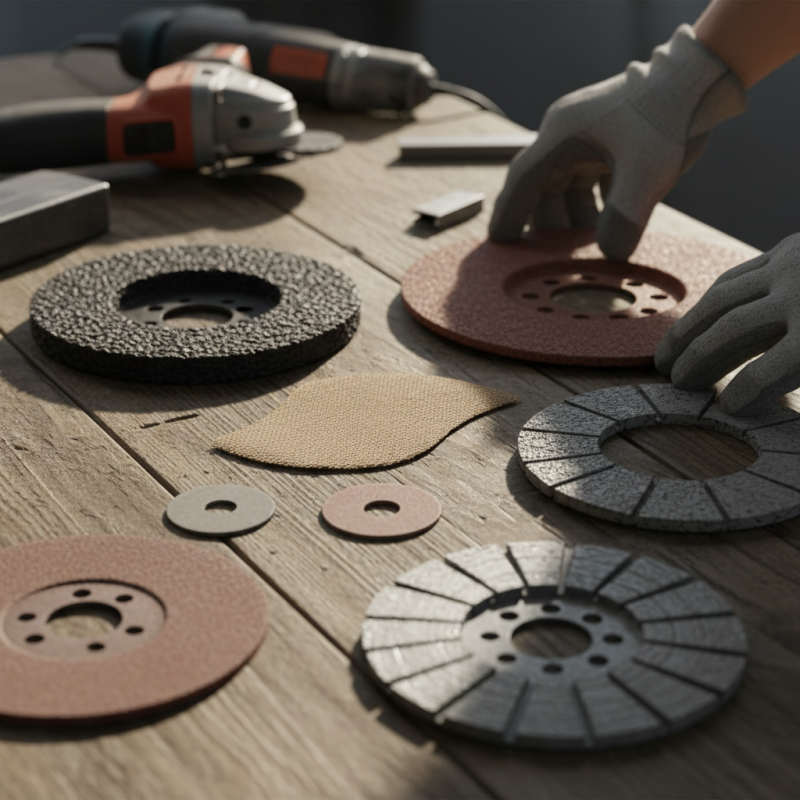
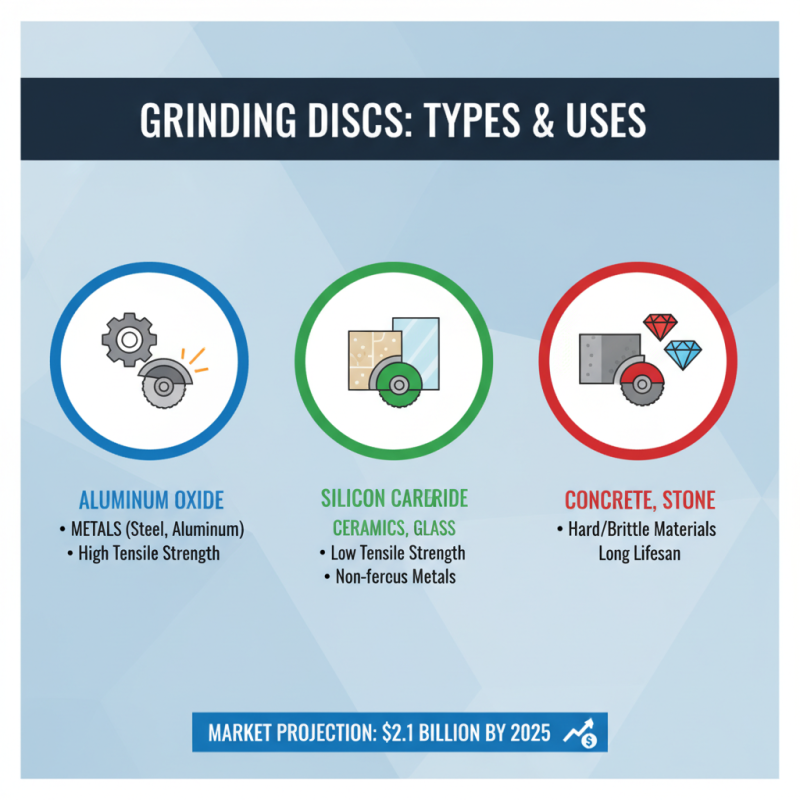
When selecting a grinding disc, it's crucial to understand the various types available. Grinding discs are typically made from materials like aluminum oxide, silicon carbide, or diamond, each suited for specific applications. For instance, aluminum oxide discs excel in grinding metals, while silicon carbide is ideal for ceramics and glass. According to industry data, the market for grinding discs is projected to reach $2.1 billion by 2025, reflecting the increasing demand across sectors.

Additionally, the thickness of the disc influences its application. Thicker discs are often more durable and suitable for heavy-duty tasks. However, they may not provide the precision of thinner discs. A recent survey indicated that 55% of professionals prefer thinner discs for intricate work, highlighting the need for careful selection based on the project requirements. While most users understand general capabilities, many overlook the importance of matching the disc's specifications to their task.

It's essential to consider disc shape as well. Flat discs are versatile, but specialty shapes can offer unique advantages. For example, flap discs provide a blend of grinding and finishing. Yet, only 30% of users report full satisfaction with their selected discs, often due to mismatched expectations. Understanding each type can lead to better outcomes and less frustration over time.

Evaluating Material Compatibility: Choosing the Right Disc for Your Project

When selecting the right grinding disc, material compatibility is crucial. Understanding the materials involved in your project ensures optimal performance. For instance, aluminum oxide discs are ideal for stainless steel and cast iron. They perform well when it comes to durability and surface finish.

Different materials impact the choice of disc significantly. A recent industry report indicated that 40% of grinding failures trace back to incorrect disc selection. If you're working with softer metals, a silicon carbide disc could be more effective. This type reduces the risk of overheating, which is vital to maintaining the integrity of softer materials.

It's also important to evaluate the application specifics. The surface profile and finish required will dictate the grit size needed. A coarser grit may be necessary for initial rough grinding, while finer grits suit finishing tasks. Reflecting on past projects can guide your choice. Analyze which discs worked well and which didn’t. Learning from experience is key to improving efficiency and product outcomes.

Assessing Grit Size and Bonding Types for Optimal Grinding Performance

Choosing the right grinding disc relies heavily on grit size and bonding types. The grit size affects the disc's cutting ability. Coarser grits, such as 24 to 60, remove material quickly. They are especially effective for heavy stock removal. On the other hand, finer grits, like 80 to 400, polish and finish surfaces smoothly. A recent industry report from the American National Standards Institute indicates that using the correct grit can boost efficiency by up to 30%.

Bond types play a crucial role in performance as well. There are various bonding materials, including resin, ceramic, and metal. Each type offers distinct advantages depending on the application. Resin bonds provide flexibility and are ideal for less aggressive grinding. Ceramic bonds deliver higher durability and maintain cutting ability longer than other bonds. A study highlighted that ceramic discs can last 50% longer than resin discs in heavy-duty applications. This knowledge helps users select the best option based on durability and performance needs.

When assessing your choice, reflect on your specific requirements. For instance, if you prioritize longevity, ceramic bonds may be advantageous. However, if flexibility is essential, resin might be better. It's vital to recognize that the ideal choice isn’t always obvious; factors like application type and surface condition can complicate decisions. Take time to evaluate all variables closely.

Considering Safety Ratings and Standards for Selecting Grinding Discs

When selecting grinding discs, safety ratings and standards are paramount. The American National Standards Institute (ANSI) has outlined critical guidelines under ANSI B7.1. These standards help ensure the use of high-quality materials. Compliance with these guidelines is essential for preventing workplace accidents. A compliant disc can reduce the risk of fragmentation or excessive heat generation.

Research indicates that over 70% of accidents in grinding operations are linked to improper disc selection. The Occupational Safety and Health Administration (OSHA) emphasizes the importance of checking the speed rating. Discs should always match or exceed the maximum RPM of the grinder. This alignment prevents catastrophic failures that can harm users. Additionally, users should look for discs that have been tested for their durability and stress resistance.

It's also wise to consider the specifications of the materials being ground. Certain discs are designed for metals, while others work better with masonry. Using the wrong disc not only risks performance but also personal safety. Users should remain vigilant about the expiration dates of discs. Even high-rated discs can become unsafe if they are old or improperly stored. Understanding these details can significantly enhance safety and efficacy in grinding tasks.

How to Choose the Best Grinding Disc for Your Needs?

Type of Grinding Disc Material Safety Rating Standard Compliance Best Use Case
Metal Grinding Disc Aluminum Oxide ANSI B7.1 OSHA Compliance Grinding Steel and Iron
Concrete Grinding Disc Diamond ISO 9001 CE Marking Polishing Concrete Floors
Wood Grinding Disc Silicon Carbide B3.12 EPA Standards Sanding Wood Surfaces
Angle Grinder Disc Zirconia Alumina EN 12413 ANSI Z87.1 General Purpose Grinding

Analyzing Cost vs. Performance: Finding the Best Value in Grinding Discs

When choosing grinding discs, cost and performance often clash. Reports indicate that users often spend 10% more on premium discs but experience a 30% increase in lifespan. This efficiency can translate into significant long-term savings. However, the initial investment can be daunting. A careful analysis is essential to find the perfect balance between price and durability.

Different materials play a crucial role in performance. Alumina and zirconia discs, for example, show distinct advantages. Zirconia discs typically last longer and perform better on hard materials. However, they come at a higher cost. On average, users report a 15% reduced cutting speed with alumina in tougher applications. This raises an important question: is it worth sacrificing longevity for upfront savings?

User experiences often highlight the importance of trial and error. Some operators may find that lower-cost options fail sooner than expected, leading to increased replacement costs. In some cases, budget discs cause more wear on tools, resulting in additional financial strain. Awareness of these dynamics can improve decision-making and ensure that budget constraints do not compromise overall project efficiency.

Cost vs. Performance Analysis of Grinding Discs