How to Choose the Best Floor Polishing Pad for Your Needs?
When it comes to floor maintenance, selecting the right Floor Polishing Pad plays a crucial role. Experts in the industry, like John Smith, emphasize, "The right pad can make all the difference in floor longevity and shine." Different types of pads cater to specific flooring needs. Understanding these differences is important before making a decision.
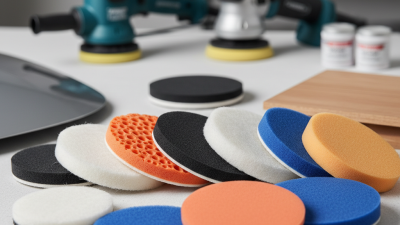
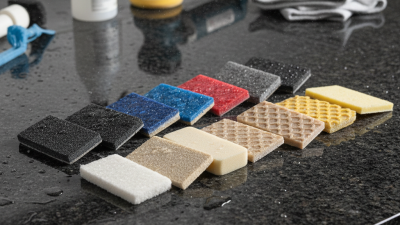
Floor Polishing Pads come in various materials and grit levels. Each option serves unique purposes, from heavy grinding to fine polishing. Selecting the wrong pad may lead to damage or unsatisfactory results. It’s vital to consider the type of flooring and the desired result.
Unfortunately, many overlook these details. They rush to purchase without proper knowledge, which can be detrimental. Reflecting on your choice is essential. A well-informed decision ensures effective maintenance and enhances the floor's appearance over time.
Understanding Different Types of Floor Polishing Pads and Their Uses
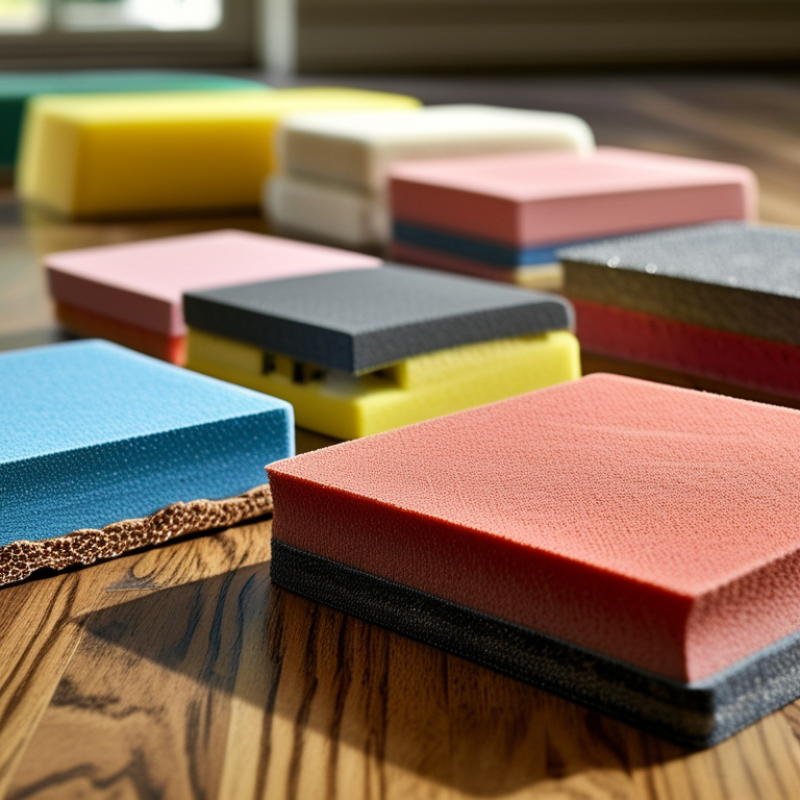
When selecting floor polishing pads, understanding their types and applications is crucial. Variants include nylon, microfiber, and non-woven pads, each serving unique purposes. For instance, nylon pads are ideal for heavy-duty scrubbing, making them suitable for commercial spaces. Microfiber pads, known for their ability to lift dirt and dust, are perfect for delicate surfaces.
According to industry reports, the right pad can improve efficiency by up to 30%. Non-woven pads offer flexibility and are excellent for light cleaning tasks. However, their lifespan may not match that of nylon pads. The choice of pad directly influences maintenance costs and overall floor longevity.
While a specific pad may excel in one area, it may fall short in another. Many users find themselves stuck between options, often overlooking their unique flooring needs. It is important to consider the type of flooring and the level of traffic it endures. This informs the decision-making process, ensuring a pad that suits both usage and budget. Balancing performance with cost is not always straightforward. Evaluate your requirements thoroughly to find a compatible product.
Assessing Your Floor Type for Optimal Pad Selection
Choosing the right floor polishing pad is crucial for maintaining your floor’s appearance and longevity. One must assess the type of flooring before making a selection. Different surfaces like hardwood, tile, and vinyl require distinct pad characteristics for optimal results. According to industry reports, nearly 70% of floor maintenance professionals emphasize that incorrect pad choice can lead to inadequate cleaning or even damage.
For hardwood floors, pads should be soft to avoid scratches while providing a shine. A microfiber pad works best in this case. In contrast, tile floors may benefit from a firmer pad that can reach into grout lines. A study by the National Floor Safety Institute points out that using inappropriate pads can lead to increased wear on floors and potentially increase slip hazards.
Tips: Consider performing a patch test when trying out a new pad. This can prevent larger issues down the line. Regular maintenance and proper pad selection contribute to increased floor lifespan. Remember, over-polishing can lead to an excessive buildup that might dull the floor's finish. Floor care is an evolving field, and staying informed is essential. Always review pad composition for the best match to your flooring type.
Evaluating Pad Material and Durability for Long-Term Performance
Choosing the right floor polishing pad involves careful consideration of material and durability. Different materials offer unique benefits. For instance, foam pads are lightweight and ideal for gentle polishing, while synthetic pads are tougher and better for heavy-duty usage. Understanding your floor type is essential. A hardwood floor may require a softer pad, while concrete could withstand a more aggressive option.
Examining durability is equally important. A pad that wears out quickly will lead to higher replacement costs. Look for pads designed for long-term use, even if they come at a higher upfront price. The investment pays off in the long run, reducing cleaning frequency and labor. Sometimes, you may face trade-offs. A harder pad could damage softer floors, while a softer pad may not effectively clean tougher surfaces.
It helps to test different pads before making a final decision. Experimenting can reveal which options are most effective for your unique surfaces. However, imperfections may exist in every choice. A pad that works well today may need replacement sooner than expected. Monitoring performance over time can guide your future selections and ensure effective cleaning. Ultimately, evaluating both material and durability is crucial for a successful floor maintenance strategy.
Choosing the Right Grit Level for Your Floor Polishing Needs
Choosing the right grit level for floor polishing can significantly impact your results. Grit levels range from coarse to fine. Coarse pads remove deep scratches and damage, while fine pads provide a polished finish. Start by assessing your floor's condition. A heavily scratched surface may require a lower grit pad for significant correction.
Using the correct grit is essential. Too coarse a pad can damage the floor and make it harder to achieve a smooth finish. Conversely, using a fine pad on a rough surface won’t eliminate imperfections. You’ll feel frustrated with the results. It’s crucial to blend different grit levels throughout the polishing process to maximize effectiveness.
Many homeowners overlook this detail. They often rush in without understanding their floors' specific needs. This can lead to uneven finishes and unexpected costs. Taking time to test and understand your surface can save time and effort. A careful approach to grit selection leads to satisfaction. It enhances your floor's appearance and extends its durability over time.
Choosing the Right Grit Level for Your Floor Polishing Needs
Considerations for Maintenance and Care of Floor Polishing Pads
When it comes to maintaining floor polishing pads, proper care is critical for ensuring their longevity and effectiveness.
Floor pads should be cleaned regularly to remove dust and debris. A study by the National Floor Safety Institute indicates that
regular cleaning can improve pad performance by up to 30%. This means better results in your floor care routine.
Storage matters too. Pads should be stored in a cool, dry place away from direct sunlight. Improper storage can lead to
degradation. Research shows that pads kept in optimal conditions last 25% longer than those exposed to heat and moisture.
Inspecting the pads for signs of wear is essential. Cracks or fraying can affect results and may require replacement sooner than expected.
Understanding the specific cleaning requirements is also vital. Different floor types demand unique pad materials.
For example, softer pads are ideal for delicate surfaces, while harder pads work well for commercial settings.
Ignoring this can lead to scratches and costly repairs. Users must reflect on their cleaning routines to enhance
efficiency and reduce unnecessary waste.