Best Wet Diamond Polishing Pad for Global Buyers in 2026?
In the competitive world of stone and concrete finishing, the choice of tools directly impacts the quality of the final product. The Wet Diamond Polishing Pad emerges as a crucial component for professionals seeking to achieve high-grit finishes on various surfaces. According to a 2023 industry report, the demand for Wet Diamond Polishing Pads is projected to grow by 15% annually. This trend highlights the increasing awareness of quality among global buyers.
Dr. Emily Chen, a leading expert in surface finishing technologies, emphasizes, “Investing in the right Wet Diamond Polishing Pad can significantly enhance efficiency and durability.” Professionals face challenges such as material compatibility and wear resistance. Not all pads perform equally, which necessitates careful selection based on specific applications. Some pads, while affordable, may not deliver the expected results, leading to costly rework.
Furthermore, the sustainability aspect of sourcing these pads is becoming vital for companies. Eco-friendly options are gaining traction, yet some products still fall short of environmental standards. It's essential for buyers to stay informed and make choices that align with both performance and environmental responsibility. Balancing quality and sustainability proves to be a challenge, but the right Wet Diamond Polishing Pad can turn these challenges into opportunities for growth and excellence.
Top Features to Look for in Wet Diamond Polishing Pads
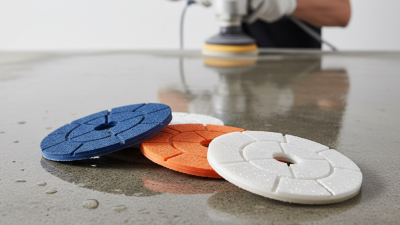
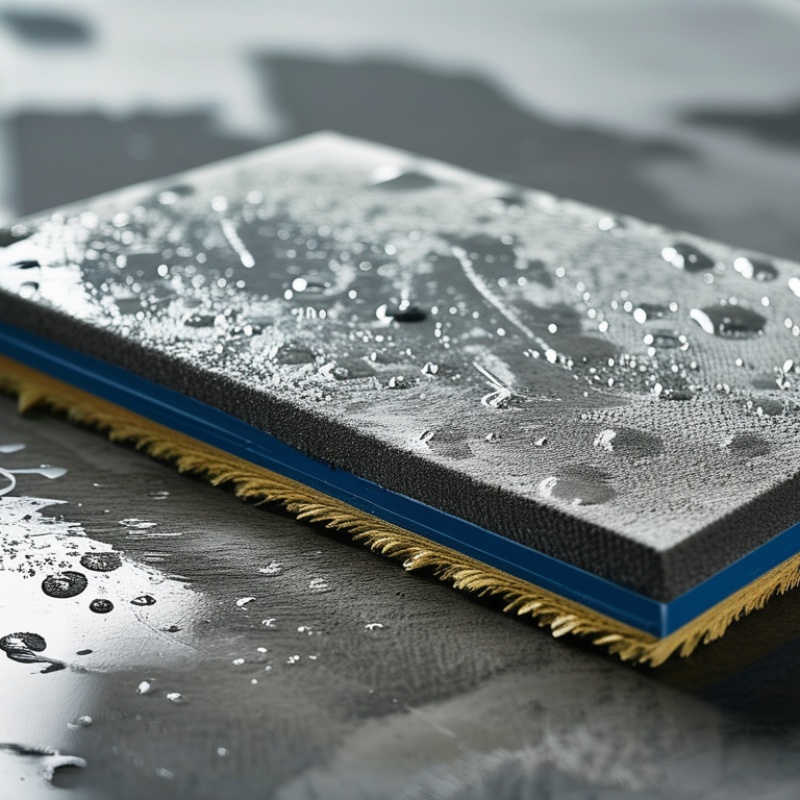
When selecting a wet diamond polishing pad, several key features are crucial. Durability is essential. A quality pad should withstand extensive use without degrading quickly. Look for pads made from high-quality materials that resist wear and tear. This ensures longevity and consistent polishing results, even with regular heavy-duty use.
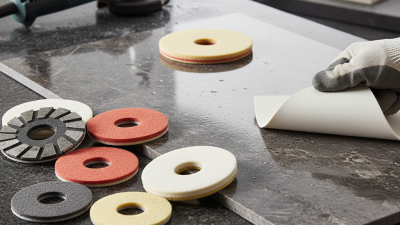
Particle size plays a significant role in achieving the desired finish. Finer grits provide a smoother surface but may take longer to use. Coarser grits, on the other hand, can remove material quickly but might leave scratches. It's wise to consider the specific tasks and surfaces you'll be working on. Adjusting your choice based on the material type is important for efficiency.
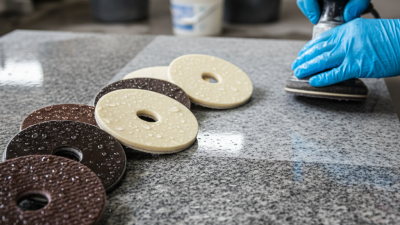
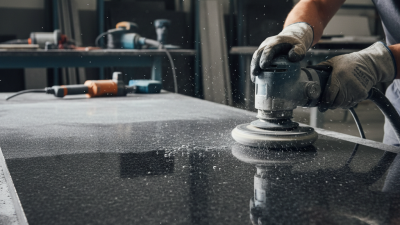
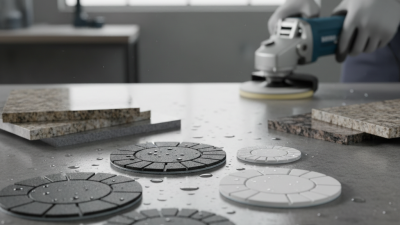
Water management features can influence performance too. A well-designed pad allows optimal water flow, enhancing the polishing process. Insufficient water can lead to overheating and poor results. Check for pads that offer good drainage and a consistent water supply. Ensure that your polishing process is effective by reflecting on the conditions of your work area and the specific requirements of your project.
Best Wet Diamond Polishing Pad for Global Buyers in 2026
| Feature |
Description |
Grade |
Durability |
Price Range |
| Grit Size |
Various options for fine, medium, and coarse polishing |
Fine, Medium, Coarse |
High durability for multiple uses |
$15 - $70 |
| Material |
Made from high-quality diamonds and resin |
Premium, Standard |
Long-lasting under wet conditions |
$20 - $100 |
| Size Compatibility |
Compatible with various grinding and polishing machines |
4", 5", 6" |
Versatile for different applications |
$18 - $85 |
| Water Retention |
Efficient water retention for optimal polishing |
Excellent, Good |
Minimizes risk of damage |
$16 - $75 |
| Application Type |
Suitable for granite, marble, concrete, and quartz surfaces |
Versatile, Specific |
High compatibility with materials |
$19 - $90 |
Materials and Technology Behind the Best Wet Diamond Polishing Pads
The evolving landscape of wet diamond polishing pads reflects advancements in materials and technology. These pads often incorporate advanced resin formulations and diamond grit blends designed for optimal performance. According to industry reports, the global wet diamond polishing market is expected to grow at a CAGR of over 6% through 2026. This surge underscores the necessity for robust materials that ensure durability and efficiency.
Recent trends indicate a shift towards eco-friendly materials without compromising on quality. Manufacturers explore natural components to enhance performance while reducing environmental impact. However, balancing cost and technological innovation poses challenges for many companies. Failure to address long-term sustainability could lead to reputational risks in a competitive market.
Tips: When selecting polishing pads, consider the type of surface and required finish. Test pads on a small area first. User reviews can provide insights into performance and durability.
Attention to detail is crucial. Not all pads perform equally under different conditions. Some users may discover that lower grit pads wear out faster than expected. This necessitates thorough research to ensure the best investment. Quality matters more than price in the long run.
Comparison of Popular Brands for Wet Diamond Polishing Pads in 2026
As the demand for wet diamond polishing pads grows, buyers must navigate a crowded marketplace. In 2026, several brands will stand out, yet Consumer Reports noted inconsistencies across different manufacturers. While some pads boast impressive performance, they may fall short in durability during extended use.
A study by the International Journal of Material Processing highlights that proper pad selection can enhance surface finish significantly. Users often overlook factors like grit size and pad composition. For instance, larger grits may improve material removal but can compromise surface gloss. Additionally, pads made from synthetic materials may perform differently under various conditions, emphasizing the need for careful evaluation.
Market trends show that buyers prioritize both performance and cost-effectiveness. However, friction between pricing and quality remains a concern. Some pads come at a premium but lack long-term reliability. Reviews from professionals indicate that user experience varies greatly. Many express frustration with pads that lose effectiveness after minimal use. Balancing performance, longevity, and price will be critical for global buyers.
User Reviews and Ratings: Insights on Wet Diamond Polishing Pads
When searching for the best wet diamond polishing pads, user reviews prove invaluable. Feedback helps buyers understand quality and performance. Buyers often seek pads that deliver consistent results on various surfaces. Reviews highlight the importance of durability and efficiency. Users frequently rate pads based on their ease of use and comfort during long polishing sessions.
It's crucial to read user experiences to gauge the real-world effectiveness of these pads. Many users appreciate pads that produce minimal dust while offering a high shine finish. However, not all pads meet expectations. Some reviews reveal issues like inconsistent grit performance or rapid wear. This underscores the need for careful consideration before purchasing.
Tips: Always check how users rate the pad's longevity and performance. Look for fabrics that remain stable under pressure and moisture. Consider starting with a mid-range pad to evaluate its effectiveness before investing in expensive options. User feedback can clarify the nuanced differences in polishing outcomes.
Tips for Choosing the Right Wet Diamond Polishing Pad for Your Needs
When selecting a wet diamond polishing pad, consider the material and grit level. Diamond pads offer durability and efficiency. A recent industry report indicates that pads with finer grits (800-3000) provide a superior finish for glass and stone surfaces. Opting for the right grit can save time and avoid the need for additional polishing stages.
The water flow during polishing greatly impacts performance. Ensure that your pads have optimal water retention capabilities. This can prevent clogging and enhance the polishing process. According to studies, effective water cooling decreases the risk of overheating and extends the pad’s lifespan, making it a critical factor in selection.
Compatibility with your polishing machine is essential. Not all pads fit every model, leading to potential inefficiencies. A fitting pad not only enhances performance but also ensures safety during operations. However, it's essential to reflect on how often pads should be replaced. Regular assessments reveal that worn out pads can lead to uneven finishes, emphasizing the need for timely replacements.