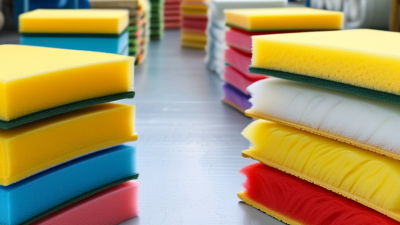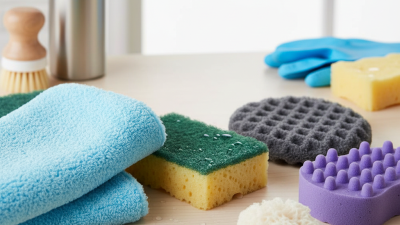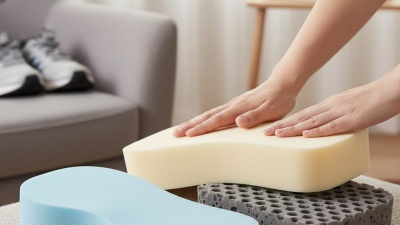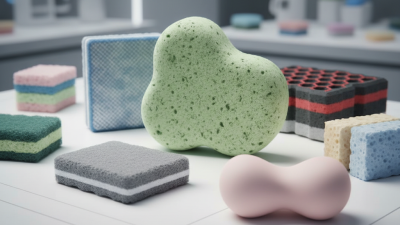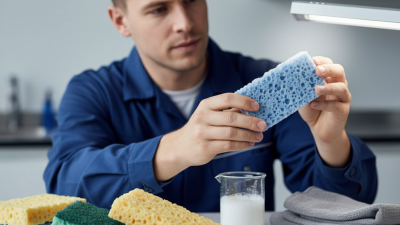


Choosing the best Sponge Pad in 2026 is less about finding one “perfect” product and more about matching its texture to the job. A soft cellulose pad can wipe glass without leaving obvious marks. A tougher abrasive side may lift dried food from a pan, but it can dull delicate coatings. The wrong choice is easy to make.
Microbiologist Dr. Charles Gerba has described the kitchen sponge as “the germiest item in your home.” That warning makes care part of the buying decision, not an afterthought. Rinse pads thoroughly, let them dry between uses, and replace them when they smell, fray, or stop cleaning well. A clean-looking pad is not always a clean one.
This guide compares sponge materials, scrubbing strength, durability, comfort, and everyday maintenance. It also considers whether a pad is safe for nonstick cookware, stainless steel, counters, and glass. Check the manufacturer’s surface guidance; “non-scratch” claims do not guarantee a flawless result on every finish. Try an unfamiliar pad on a small, hidden area first. It is a small step, but an easy one to skip.
There is no single winner for every kitchen. A low-cost pad may work well for quick wipe-downs, while heavy-duty cleaning calls for a different texture. We’ll weigh those trade-offs and explain what to look for before you buy. Some results depend on how a person cleans. That part is less tidy.
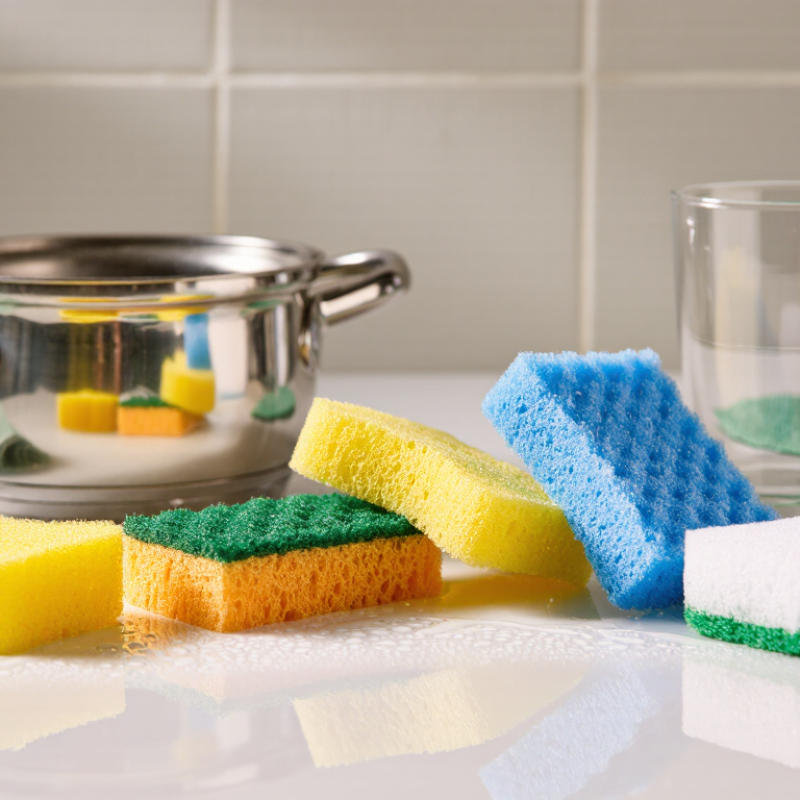
A sponge pad is a porous cleaning tool made to hold water and cleaning solution while flexing against a surface. Its open cells help it reach shallow grooves and collect loosened particles. Rubbing supplies friction, which breaks dirt’s grip; the damp pad then carries away soil and spills. Detergent can help lift grease, but a sponge does not remove every stain by itself. Not magic.
Pad texture matters. A soft, absorbent side suits counters and glass, while a rougher face can help with dried food on durable cookware. Too much pressure may scratch a delicate finish, so test an inconspicuous spot first. Rinse the pad often as you work; otherwise, it can spread grit instead of lifting it. That detail is easy to miss.
Cleaning is not the same as disinfecting. A 2017 Scientific Reports study examined 14 used kitchen sponges and identified 362 bacterial species; the researchers reported high bacterial counts in some samples. The small sample does not describe every sponge, but it is a useful reminder to rinse, dry, and replace pads when they smell, fray, or stay slimy. A clean-looking pad may still need care.
Cellulose sponge pads absorb spills quickly and conform to the curve of a mug or bowl. Their strength is water retention; their drawback is that a damp pad can stay wet between uses. Polyurethane foam is lightweight and squeezes out easily, though coarse food residue may cling inside its pores. Nylon-faced pads add scrubbing power for dried-on food. Use them gently on delicate coatings: abrasive fibers can leave scratches, depending on the surface and pressure.
Material choice also affects hygiene. NSF International’s Household Germ Study found coliform bacteria on 75% of the kitchen sponges and dishcloths it tested in 22 homes. A 2017 Scientific Reports study identified 362 bacterial species in used kitchen sponges, with some samples reaching 5.4 × 10¹⁰ cells per cubic centimeter. These findings do not rank pad materials, but they underline why cleaning and drying matter.
Small detail. Rinse away food, squeeze out excess water, and let the pad dry fully; replace it when it smells or breaks down.
For everyday dishes, a cellulose pad suits frequent wiping, while a soft foam pad can be easier to rinse after light washing. Choose a non-scratch nylon surface for tougher residue, and test it on an inconspicuous spot first. There is no perfect pad. A coarse pad may clean a pan faster, but it can be the wrong tool for a glossy finish; checking the cookware maker’s care guidance is more reliable than guessing.
Which Sponge Pad Is Best for Cleaning in 2026?
Key Criteria for Comparing Sponge Pads in 2026
The best sponge pad depends on the surface, soil, and cleaning routine. Compare absorbency, abrasion, durability, and drying time—not just thickness. A pad should lift dried food with moderate pressure, yet leave glass and coated cookware unmarked. Test it on a hidden area first. Scratches are hard to undo.
Hygiene deserves equal weight. A 2017 Scientific Reports study examined 14 used kitchen sponges and identified 362 bacterial species. That does not mean every sponge is dangerous, but it does make rinsability and quick drying useful comparison points. Check whether the pad sheds fibers, traps food in deep layers, or can be cleaned according to its care instructions. Small details matter.
Material claims need scrutiny. Look for clear information about recycled content, synthetic fibers, and disposal; vague “eco-friendly” wording proves little. For a fair test, use the same detergent and pressure on a greasy pan, then note residue, wear, and drying time. One trade-off remains: a rough pad may scour faster but damage delicate finishes. There is no perfect pad. A simple test may still miss long-term wear.
| Sponge pad type | Absorbency | Cleaning strength | Surface compatibility | Durability and care | Best suited for |
|---|---|---|---|---|---|
| Cellulose sponge with a soft side | High; cellulose readily absorbs water. | Good for everyday wiping and light food residue. | Generally gentle on dishes; check cookware instructions before using the scrubbing side. | Can retain moisture and residue. Rinse thoroughly, let it dry between uses, and replace when worn or persistently odorous. | Daily dishwashing, counters, and general kitchen cleanup. |
| Non-scratch synthetic scrub pad | Low to moderate, depending on whether it is attached to a sponge. | Useful for routine washing and light-to-moderate stuck-on residue. | Often intended for delicate finishes, but “non-scratch” is not a guarantee for every surface. Follow the cookware maker’s guidance and test an inconspicuous area. | Usually rinses clean easily. Replace when the fibers flatten, tear, or stop cleaning effectively. | Everyday cleaning when a gentler scrub is preferred. |
| Abrasive synthetic scouring pad | Low; it is designed mainly for scrubbing rather than soaking up liquid. | Strong scrubbing action for stubborn residue on suitable surfaces. | Can scratch nonstick coatings, polished finishes, and other delicate surfaces. Use only where abrasive pads are permitted. | Often lasts longer than a soft sponge, but trapped grease and food particles still need to be rinsed away. | Heavy-duty cleaning of durable cookware and hard surfaces that tolerate abrasion. |
| Melamine foam pad | Low; it is typically dampened for use rather than used as an absorbent dish sponge. | Can lift some marks through fine abrasion as the foam gradually wears down. | May dull or damage painted, glossy, coated, or otherwise delicate finishes. Test first and follow the product directions. | Wears away during use and is generally less durable than a reusable scrub pad. | Selected scuff marks on compatible hard surfaces, rather than routine dishwashing. |
| Natural-fiber scrub pad | Low to moderate, depending on the fiber and construction. | Provides light-to-moderate scrubbing for everyday residue. | Surface gentleness varies by material and weave; test delicate finishes before use. | Rinse well and allow to dry fully. Check the care instructions, as natural fibers may wear or fray with repeated use. | Light household scrubbing for users who prefer a plant-fiber option. |
Comparison note: These are typical material characteristics, not laboratory test results; performance varies by product construction and use. For most routine kitchen tasks, a well-rinsed cellulose or non-scratch sponge pad is a versatile starting point. Use abrasive or melamine pads only on surfaces whose care instructions allow them, and keep cleaning tools clean and dry between uses.
A sponge pad works best when its texture suits the surface, not when it feels toughest in your hand. For plates, glass, and everyday countertops, choose a soft, non-scratch pad that lifts food without leaving visible marks. Wet it well and use a little dish soap; a dry pad can drag crumbs across a glossy surface. That matters.
For baked-on residue on stainless steel or sturdy cookware, a mildly abrasive pad can help. Keep pressure light and scrub in short strokes, following the metal’s grain when visible. Avoid abrasive pads on nonstick coatings, polished stone, and delicate finishes. A melamine foam pad can remove scuffs from some hard surfaces, but it may dull paint or glossy coatings. Test a small, hidden area first.
Match the pad to the mess, too. A soft cellulose sponge handles spills and routine wiping, while a separate scrub pad is better for dried food around a pan’s rim. Rinse pads thoroughly after use and let them dry between cleaning sessions; trapped food and moisture can cause odors. I’ve found that one pad rarely does every job well, though keeping several can feel fussy. Replace one when it stays grimy or begins to break apart.
Relative suitability of common sponge pad types for different surfaces
Ratings are a practical compatibility guide, not laboratory measurements: 1 means avoid and 5 means a good fit. For delicate finishes, use the least abrasive pad that works, follow the surface maker’s care instructions, and test an inconspicuous area first.
Which Sponge Pad Is Best for Cleaning in 2026?
How to Maintain and Replace a Sponge Pad Safely
A sponge pad works best when it suits the task and dries quickly between uses. Keep separate pads for dishes and surfaces that contact raw meat. After washing, rinse away food, squeeze out water, and leave the pad upright in an airy spot—not folded in a wet sink. Damp corners can hold odors. I still find that easy to forget.
The risk deserves attention. NSF International’s 2011 Household Germ Study found coliform bacteria on 75% of the kitchen sponges and dishcloths tested in participating homes. That small study is not a measure of every household, but it supports regular cleaning and timely replacement. Follow the pad’s care instructions for sanitizing; avoid methods that could damage its material. Replace it when it smells, feels slimy, sheds pieces, or no longer cleans well. A calendar reminder can help, though condition matters too.
Tips: Rinse after each use, squeeze firmly, and let the pad air-dry fully. Never mix cleaning chemicals. If sanitizing instructions are unclear, replace the pad instead of guessing. A fresh pad is not a substitute for washing hands or cleaning the sink.