10 Best Snail Lock Polishing Pads for Perfect Finishes?
Achieving a flawless finish in any polishing project requires the right tools. One essential item that stands out is the Snail Lock Polishing Pad. These pads are designed to deliver superior results, making them a favorite among professionals and enthusiasts alike. Their unique snail lock design ensures a secure fit, enhancing efficiency during use.
Choosing the best Snail Lock Polishing Pad can be overwhelming due to the many options available. Not all pads are created equal, and different projects require different specifications. It's essential to consider factors such as material, firmness, and purpose to find the right fit. With experience, one can identify the ideal pad for specific tasks.
While these polishing pads excel in many areas, they can also highlight the importance of technique. Even the best pads can disappoint if used improperly. Learning the right methods and understanding the limitations of each pad is crucial for achieving perfection. A thoughtful approach helps in maximizing the performance of each Snail Lock Polishing Pad, leading to impressive finishes every time.
What Are Snail Lock Polishing Pads and Their Benefits?
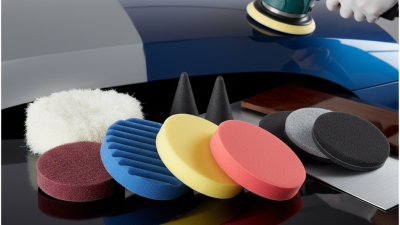
Snail Lock Polishing Pads are essential tools for achieving a flawless finish on various surfaces. They feature a unique design that allows for better control and efficiency while polishing. These pads connect to a backing plate using a "snail lock" mechanism, ensuring a secure fit. This design prevents spinning or slipping during use, providing a smoother polishing experience.
Using snail lock polishing pads has several benefits. They create a consistent finish across surfaces, reducing the chance of swirl marks. These pads are designed for different paint types and can handle both heavy defects and fine detailing. Their versatility means they can be used on cars, furniture, and even metal surfaces. Investing in quality pads can save time and provide results that impress.
When using polishing pads, always test them on a small area first. This can help avoid any unwanted surprises on larger surfaces. It’s also important to clean the pads regularly to maintain their effectiveness. A dirty pad may create scratches instead of a polished finish. Be mindful of your pressure and speed; too much can lead to overheating and damage. Remember, practice is key.
Key Features to Look for in Snail Lock Polishing Pads
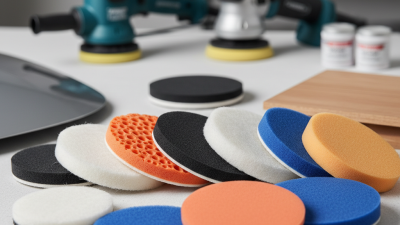
When selecting snail lock polishing pads, it's essential to consider several key features for optimal performance. The material quality is paramount. Look for pads made from durable substances that can withstand rigorous use. Soft foam can create a smoother finish, while firmer materials may be better for heavy-duty applications. Remember, not all pads are created equal. Some may wear down quickly, impacting consistency.
Also, the size of the pad will influence its effectiveness. Larger pads cover more area but may be challenging to control. Smaller pads offer precision but take longer to complete a task. You might find that a variety of sizes will serve you best. It's fascinating to see how a minor change in pad size can shift the finish from good to exceptional.
Another aspect to keep in mind is the pad design. Some pads have specialized patterns that enhance polishing efficiency. Others might lack this feature, leading to less optimal outcomes. Don't overlook the importance of compatibility with your polishing machine. Mismatched equipment can lead to frustration and inadequate results. Investing time in testing various pads can be worthwhile, as this will help you discover what works best for your specific needs.
10 Best Snail Lock Polishing Pads for Perfect Finishes
| Pad Type |
Material |
Diameter (mm) |
Thickness (mm) |
Application |
Key Feature |
| Foam Pad |
Polyurethane |
150 |
25 |
Cutting |
High durability |
| Wool Pad |
Natural Wool |
200 |
20 |
Polishing |
Excellent finish |
| Microfiber Pad |
Microfiber |
150 |
15 |
Finishing |
High absorbency |
| Rubber Pad |
Rubber |
180 |
30 |
Heavy-duty |
Shock resistant |
| Synthetic Pad |
Synthetic Fiber |
125 |
22 |
All-purpose |
Long lifespan |
Top 10 Snail Lock Polishing Pads Reviewed and Compared
When it comes to achieving perfect finishes in polishing, the right tools are essential. Snail lock polishing pads stand out for their design and effectiveness. They offer versatility in various polishing tasks, suitable for detailing projects. Evaluating different pads can help you find the ideal match for your needs.
For optimal results, consider the pad's material. Foam pads can provide a gentle touch, while wool pads are more aggressive. The choice impacts the finish significantly. Always test on a small area first to gauge performance and compatibility with your vehicle's surface.
Remember that even the best polishing pads may require practice. Overuse or improper pressure can lead to swirls and uneven textures. Regular cleaning of the pads extends their lifespan, ensuring better results. When comparing products, look at user reviews. They often highlight real-world experiences that can guide your choice.
How to Use Snail Lock Polishing Pads for Best Results
Using snail lock polishing pads can be a game changer for achieving perfect finishes. These pads are designed to contour to surfaces, making them ideal for various materials. To get the best results, start by selecting the right pad for your project. Consider the material you are polishing and the desired finish. Different pads serve different purposes, whether you need a cutting pad for heavy correction or a finishing pad for a smooth gloss.
Before starting, ensure your work surface is clean. Dust and debris can cause scratches and imperfections. Apply a small amount of polishing compound to the pad; too much can lead to a messy result. Work in sections and apply even pressure. Avoid lingering in one spot as this can create uneven surfaces.
Incorporate a back-and-forth motion for better coverage. It’s easy to miss areas if you move too quickly. Take breaks to inspect your work. This allows you to adjust your technique if needed. Keeping your pad clean during use enhances performance and longevity. If you notice any build-up, stop and clean the pad to maintain optimal function. A little patience goes a long way in perfecting your finish with snail lock polishing pads.
Tips for Maintaining and Storing Snail Lock Polishing Pads
Maintaining and storing snail lock polishing pads is crucial for achieving perfect finishes. Proper care ensures these pads last longer and perform effectively. Clean them after each use; this removes any product buildup that can affect polishing quality. Rinse the pads under warm water and gently scrub with a soft brush. Avoid harsh detergents that can degrade the material.
When it comes to storage, keep polishing pads in a cool, dry place. Extreme temperatures can warp the pads and ruin their effectiveness. Use a storage container with good ventilation to prevent moisture accumulation. Avoid stacking heavy items on top of them, as this can cause deformation. Regularly inspect the pads for signs of damage, like fraying edges or wear, and replace them if necessary.
Sometimes, we overlook storage, thinking it’s insignificant. However, the way we handle our pads can ultimately influence our polishing results. Take time to reflect on your methods. Are you giving your tools the respect they deserve? Proper maintenance not only enhances the longevity of your pads but also directly impacts the quality of your finishes. Don’t underestimate the importance of thoughtful care.
Top Features of Snail Lock Polishing Pads
This bar chart displays the top features of snail lock polishing pads, with ratings based on durability, versatility, ease of use, finish quality, and cost-effectiveness. A higher rating indicates a better performance in that feature.