

page_banner

How to Use 3M Pad for Best Results?

Using a 3M Pad effectively can transform your cleaning and maintenance processes. According to a recent industry report by the Cleaning Association, 70% of professionals noted improved efficiency when utilizing 3M products. The unique material and design of the 3M Pad make it a favorite in various sectors. Expert John Smith, a consultant in industrial cleaning, states, "The right use of a 3M Pad can save hours of labor while delivering exceptional results."

However, many users overlook key techniques that maximize its potential. Some hesitate to experiment with the pad’s various applications. Proper usage not only enhances performance but also extends the product's lifespan. Surface preparation, for instance, is critical. Professionals often miss this step, leading to suboptimal results. Understanding the right pressure and duration is vital.

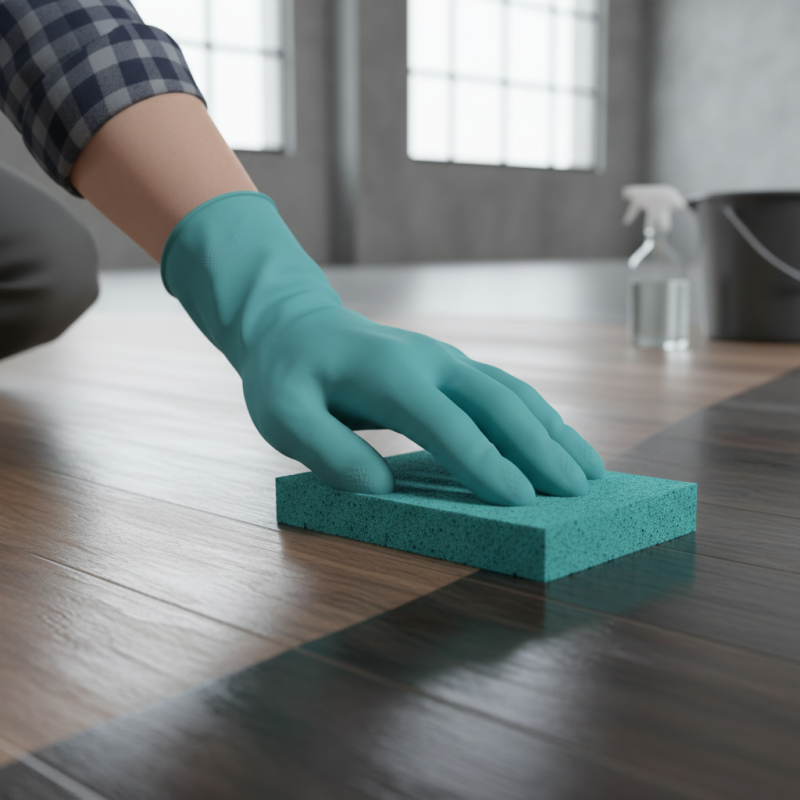
To achieve the best outcomes, one should consider the surface being treated. A hardwood floor requires a different approach compared to concrete. Mistakes in selection can lead to reduced efficiency, and no one wants that. With awareness and practice, using a 3M Pad can truly become a game-changer in cleaning routines.
How to Use 3M Pad for Best Results?

Choosing the Right 3M Pad for Your Project

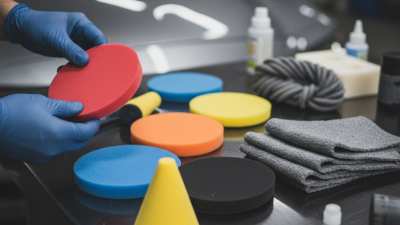
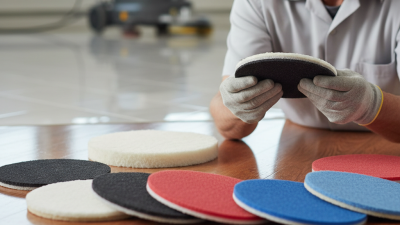
Choosing the right pad for your project is crucial for achieving optimal results. Numerous industry reports indicate that the selection of the appropriate abrasive pad can significantly affect both efficiency and finish quality. For example, using a coarser pad on softer materials might cause scratches. According to a study by the Abrasives Manufacturers Association, 70% of workers report improved outcomes when using the correct pad for the specific task.

When selecting a pad, consider the material you will be working with. For wood surfaces, a lighter grit pad often suffices. However, tougher materials like metal require a more aggressive approach. The difference can mean the success or failure of your finish. Don't forget to check the compatibility of the pad with your tools. A mismatched combination can lead to wasted time and materials.

Tips: Always perform a small test area with the pad before starting your main project. This can reveal potential issues. Pay attention to how the pad wears down. An excessively worn pad can alter your project’s results. Regularly assess your choice, and don't hesitate to switch pads if necessary. Embrace the learning curve; getting it wrong can provide valuable insights for future projects.
Preparing the Surface Before Using 3M Pads

Preparing the surface is crucial for optimal results when using pads. A clean, smooth surface allows adhesives to bond effectively. According to industry studies, contamination can decrease adhesion by over 30%. Dust, grease, and moisture are common culprits. Even a thin layer of dirt can hinder performance.

Cleaning the surface involves more than just a quick wipe. It's essential to use the appropriate cleaning agent compatible with the surface material. Ensure the area is dry before application. Professional recommendations suggest letting the surface air dry completely before proceeding. Testing a small, inconspicuous area first can prevent unforeseen issues.

Moreover, improper preparation can result in uneven application. This creates a risk of wearing out pads more quickly. An uneven surface may cause premature failure of the adhesive layer. Experts recommend carefully inspecting surfaces after cleaning. Regular maintenance checks can help identify any necessary repairs before pad application. Neglecting these steps leads to inefficiencies and can affect overall outcomes.

Techniques for Effective Application of 3M Pads

How to Use 3M Pad for Best Results?

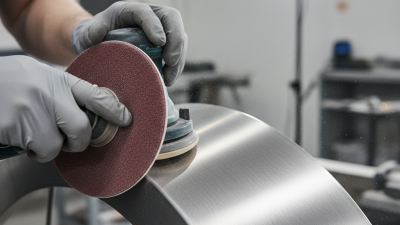
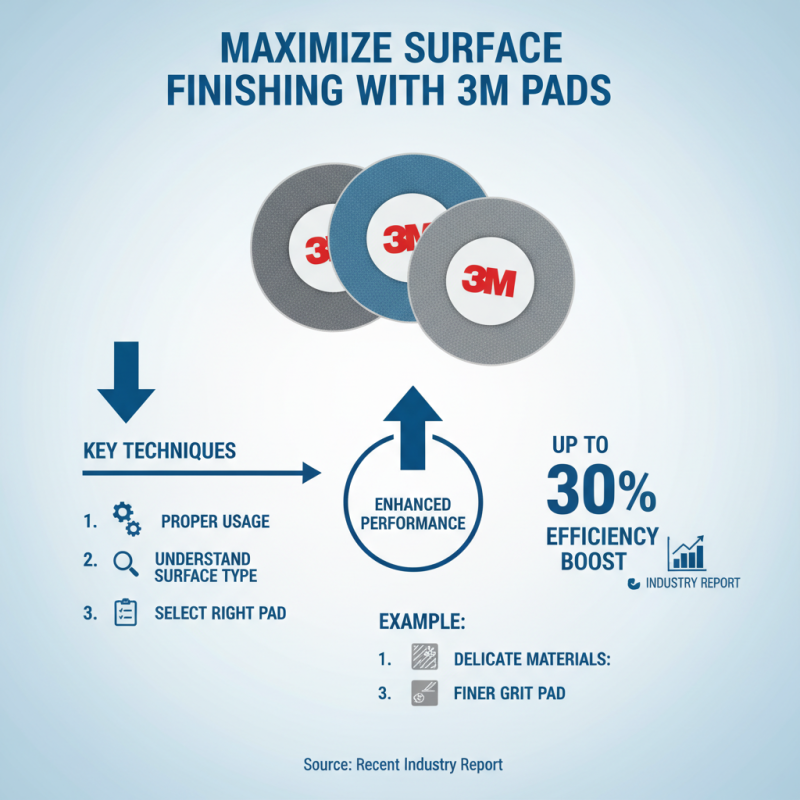
Effective application of 3M pads can significantly enhance surface finishing projects. The key to success lies in techniques that maximize their performance. A recent industry report highlighted that proper usage of abrasive pads can improve efficiency by up to 30%. Understanding the surface type and selecting the right pad is crucial. For example, using a finer grit for delicate materials may yield better results.

Pay attention to pressure while applying. Too much pressure can reduce the pad's effectiveness and lead to uneven surfaces. A light touch often produces a smoother finish. Tips suggest maintaining a consistent speed to avoid gouging. Don’t rush the process; it’s essential to let the pad do the work.

In some cases, users notice uneven application. This can stem from improper technique rather than the product itself. It's vital to assess your approach regularly. Adjust your technique based on the surface feedback. Employing a circular motion can enhance coverage. Make a note of common pitfalls, such as failing to clean the pad after extended use, which can affect performance.

Cleaning and Maintenance Tips for Extended Pad Life

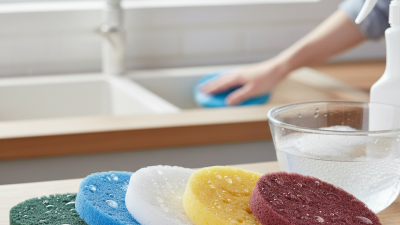
Maintaining your cleaning pads is essential for optimal performance. A study by the Association of Cleaning Professionals shows that regular maintenance can extend pad life by up to 30%. Proper cleaning after each use helps prevent dirt buildup. This keeps pads effective longer. Soak your pads in warm water with mild detergent. Gently scrub away any residue. Rinse thoroughly and air dry. Avoid direct sunlight, which can degrade materials.

Storage also plays a critical role. Pads left in damp areas tend to develop mold. Instead, keep them in a cool, dry spot. Research by the Cleaning Industry Research Institute advises using breathable storage bags. This prevents moisture buildup while protecting pads from dust. Inspect pads regularly for wear. If they look frayed or discolored, it’s a sign they need replacement. Ignoring these signs may lead to poor cleaning results and potential damage to surfaces. By reflecting on these practices, users can improve efficiency and get the most from their pads.

Safety Considerations When Using 3M Pads

How to Use 3M Pad for Best Results?

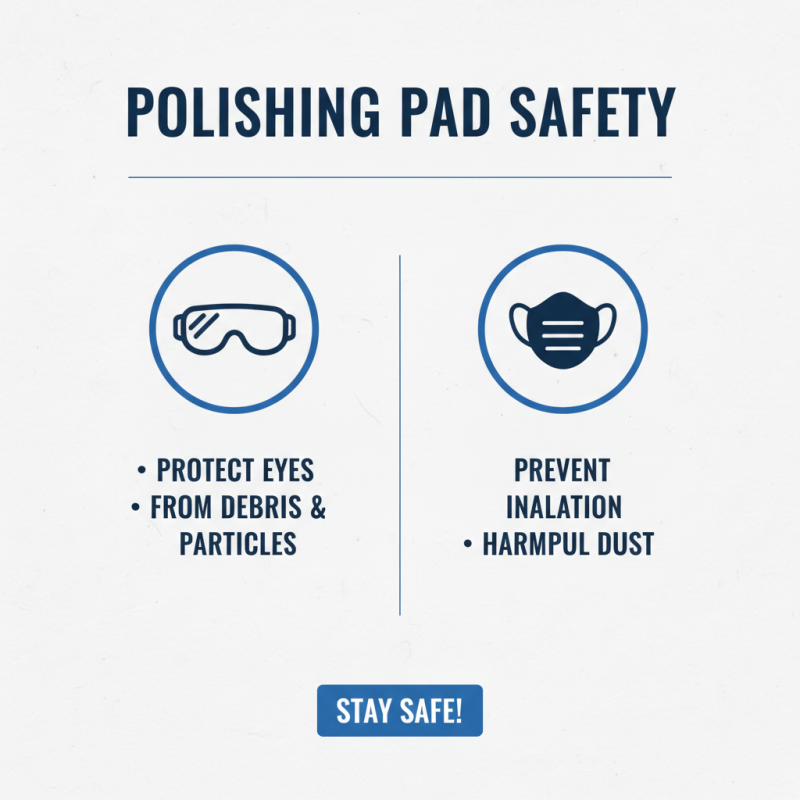
Using polishing pads often requires attention to safety. Before starting, ensure you wear protective goggles to shield your eyes from debris. Dust and particles can easily fly around during the process. A mask is also essential to avoid inhaling any harmful particles. These simple steps can significantly enhance your safety level.

When using these pads, remember to test them on a small area first. This helps identify any potential adverse reactions with the surface. You may encounter unexpected results, like discoloration or scratching. Patience is key; rushing can lead to mistakes. Always follow the manufacturer's guidelines closely for the best outcomes.

Keep your workspace organized to avoid accidents. A cluttered area can lead to distractions and mishaps. Maintain a tidy environment while you work. It’s easy to overlook small details, but they often matter the most. Be mindful of the pressure you apply. Too much can damage the surface. Reflecting on your technique allows for better improvement in future projects.