Top 10 Polishing Pads Every DIYer Should Know About?
In the world of DIY projects, mastering the use of "Polishing Pads" can elevate any finishing job. Expert James Carter, a well-known figure in surface finishing, once said, "Choosing the right polishing pad can transform your project from dull to dazzling." This underscores the importance of understanding these essential tools.
Polishing pads come in various types and materials. Each is suited for different surfaces and tasks. Picking the wrong pad can lead to scratches or ineffective polishing. DIY enthusiasts often overlook this aspect. Selecting the ideal pad requires some thought and research.
For beginners, understanding the purpose of each polishing pad is crucial. Some pads are designed for cutting, while others are for achieving a high-gloss shine. Recognizing these differences prevents frustration later on. Remember, even experts make mistakes. The journey to perfecting your polishing skills is just as important as the final result.
Essential Types of Polishing Pads for Various Surfaces
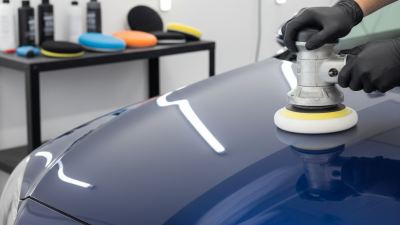
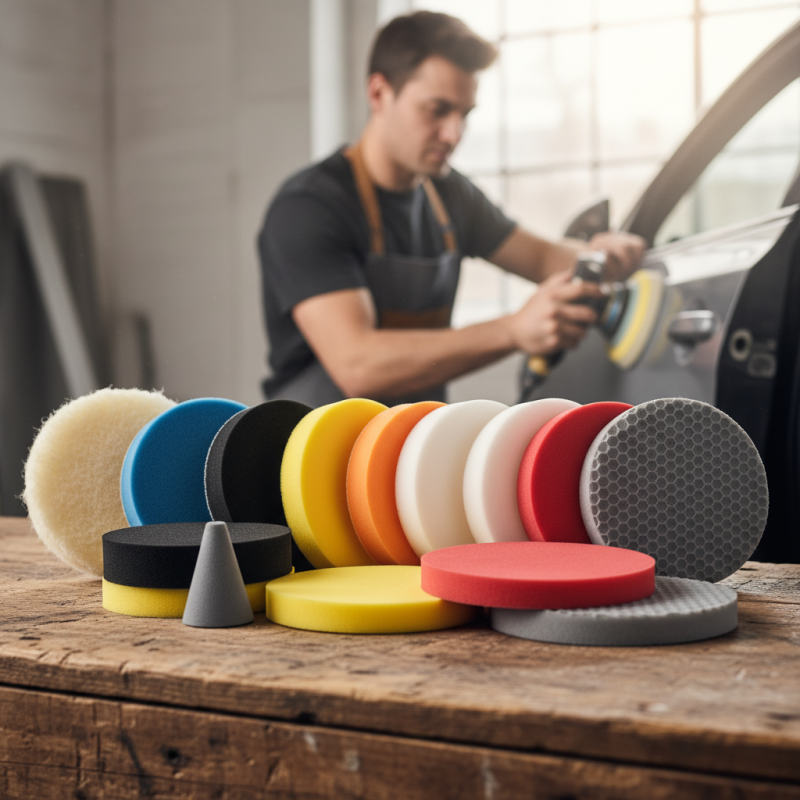
When it comes to polishing, choosing the right pad is crucial. Different surfaces require different types of polishing pads. For instance, foam pads work well on car paint. They provide a smooth finish and reduce the risk of swirl marks. However, foam can be too soft for tougher jobs. That's where wool pads come in. Wool pads excel at cutting through heavy oxidation and imperfections, but they might leave behind some lint.
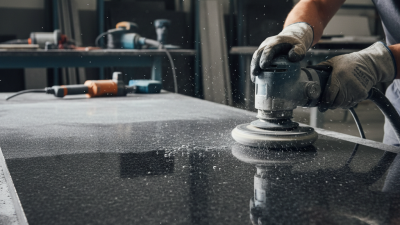
Microfiber pads are another essential choice, especially for delicate surfaces. They offer a gentle touch while still being effective. They are versatile but can easily wear out if overused. For glass polishing, specialized diamond polishing pads can be employed. These pads are effective but require careful handling to avoid scratches. Remember, selecting the wrong pad can lead to unwanted results. Many DIYers overlook the importance of testing on a small area first. This simple step can prevent potential mistakes and ensure the best outcome.
Top 10 Polishing Pads Every DIYer Should Know About
| Pad Type |
Material |
Best For |
Surface Compatibility |
Grit Level |
| Foam Pad |
Polyurethane |
Finishing |
Paint, Gel Coat |
Medium |
| Wool Pad |
Natural Wool |
Cutting |
Oxidized Paint |
Coarse |
| Microfiber Pad |
Microfiber |
Polishing |
Clear Coat |
Medium to Fine |
| Sponge Pad |
Polyester |
Compound Work |
Composite Surfaces |
Fine |
| Terry Cloth Pad |
Cotton |
Final Polish |
Paint, Wood |
Fine |
| Diamond Pad |
Diamond Abrasives |
Heavy Cutting |
Concrete, Stone |
Coarse to Fine |
| Backer Pad |
Rubber |
Support |
All Pads |
N/A |
| Buff Pad |
Synthetic Fiber |
Finishing |
Paint, Clear Coats |
Ultra Fine |
| Polishing Ball |
Foam |
Detailing |
Curved Surfaces |
Fine |
| Ceramic Pad |
Ceramic Foam |
Advanced Polishing |
High-End Paints |
Medium to Fine |
Understanding the Material Composition of Polishing Pads
When selecting polishing pads, understanding their material composition is crucial. Different materials serve distinct purposes.
Foam is common for gentle polishing. It absorbs polish well, making it ideal for finishing. Yet, some pads wear out quickly.
This can lead to uneven results.
Wool pads are more aggressive. They can cut through imperfections but require careful handling.
Otherwise, they may leave swirl marks.
Microfiber pads blend softness with durability. They are effective for both cutting and finishing. However, they need to be cleaned regularly.
Debris on the pad can scratch surfaces. Each type of pad has its strengths and limitations. While some provide a high gloss,
others might not meet expectations. Choosing the right pad depends on the project.
A trial-and-error approach works for many DIYers.
This helps in identifying the best match for each task.
Key Features to Look for When Choosing Polishing Pads
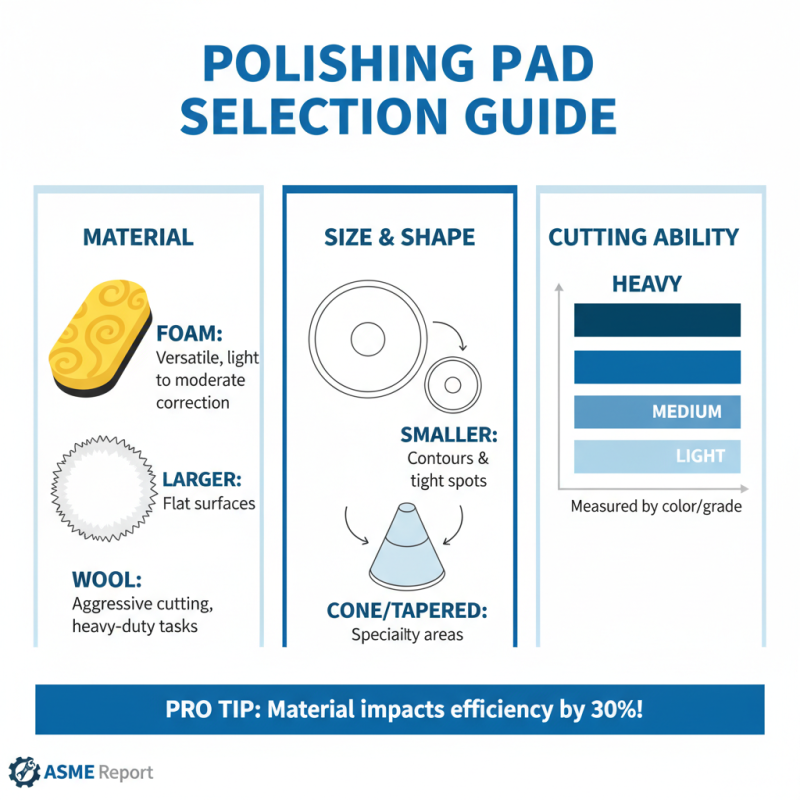
When selecting polishing pads, understanding key features is crucial for DIY enthusiasts. The material of the pad plays a significant role in performance. Generally, foam pads are popular due to their versatility. However, wool pads offer superior cutting abilities for heavy-duty tasks. A report by the American Society of Mechanical Engineers highlights that choosing the right material can improve efficiency by up to 30%.
Another vital aspect is the pad's density. A denser pad can produce a finer finish but may require more pressure. On the other hand, lighter pads work well for gentler polishing tasks. According to industry insights, 45% of DIYers overlook this detail, leading to subpar results. Understanding the varying thickness can also impact the polishing process. Thicker pads provide cushioning, protecting the surface underneath, while thinner pads allow for more control.
Lastly, consider the pad's design. Some pads feature a contour shape, which enhances usability in intricate areas. The same ASME report notes that a well-designed pad can reduce user fatigue by 25%. DIYers often underestimate the importance of this feature, resulting in excessive strain during projects. By focusing on these factors, enthusiasts can significantly elevate their polishing outcomes.
Step-by-Step Guide to Using Polishing Pads Effectively
Using polishing pads effectively can significantly enhance your DIY projects. Understanding the right technique is essential for achieving a flawless finish. Start by selecting the correct pad based on the surface you are working on. For instance, foam pads work well for soft surfaces, whereas wool pads are better suited for heavy cutting tasks.
Preparation is key. Clean the surface thoroughly before starting. Dust and debris can lead to unwanted scratches. According to industry reports, nearly 25% of DIY projects fail due to insufficient surface preparation. Once prepped, apply the polishing compound evenly on the pad and the surface. Use a low-speed setting to avoid overheating the material.
As you polish, pay attention to pressure and movement. Too much pressure can cause damage. The ideal is a gentle touch, allowing the pad to do the work. Move in overlapping passes for even coverage. Remember, practice makes perfect. Expect some imperfections at first. Learning to adjust your speed and pressure can take time. Reflection on each attempt helps in refining your technique and achieving better results.
Top 10 Polishing Pads Every DIYer Should Know About
Maintenance Tips for Long-Lasting Polishing Pads
Polishing pads are essential tools for any DIYer. To maintain their efficiency and extend their lifespan, proper care is crucial. After each use, clean the pads thoroughly. Use a brush or compressed air to remove debris. This simple step can prevent clogged pores and keep the pads effective.
Store polishing pads in a cool, dry place. Avoid exposing them to direct sunlight or extreme temperatures. When pads are stored improperly, they can dry out or warp. It’s also wise to inspect the pads regularly for wear and tear. Small tears may go unnoticed but can impact performance.
Consider rotating your pads frequently during projects. Overusing a single pad can lead to uneven wear, and this can compromise results. Remember that not all pads are made equal. Choosing the right pad for the task is important. Sometimes, we might grab the first pad handy, but this can create more work later. Maintain your tools, and they will serve you well in your DIY adventures.