Top 10 Polished Diamond Types for Global Buyers
Choosing among polished diamonds requires more than admiring sparkle under showroom lighting. Global buyers compare shape, cut quality, color, clarity, carat weight, certification, origin disclosures, and long-term value. This guide introduces ten polished diamond types that frequently shape international purchasing decisions.
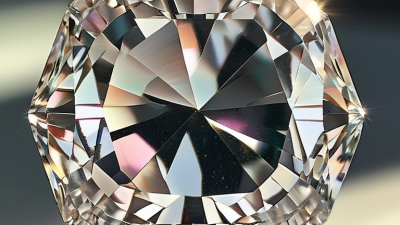
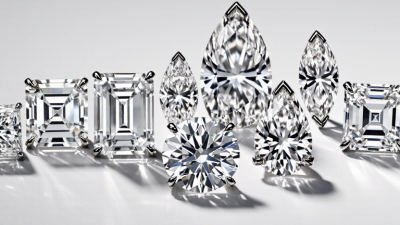
The Gemological Institute of America identifies the 4Cs as the foundation of diamond evaluation. Cut remains especially important because it controls brightness, fire, and visual balance. A well-cut round brilliant can return sharp flashes of white light. An emerald cut shows broader, quieter reflections and exposes clarity more clearly. Oval, cushion, pear, marquise, princess, radiant, Asscher, and heart shapes each create different proportions on the hand.
Data adds useful context. The De Beers Diamond Insight Report 2024 discusses changing consumer expectations, digital research, and stronger interest in transparent sourcing. Bain & Company’s global diamond industry research also shows how consumer confidence, luxury spending, and supply-chain conditions influence diamond demand. These reports offer direction, not absolute rankings.
No ranking is perfect.
Market preferences differ by region, age, budget, and culture. A popular shape in New York may feel less familiar in Dubai or Singapore. Certification standards can also be misunderstood, especially when buyers compare grading reports from different laboratories. Therefore, this overview focuses on practical distinctions, visible proportions, and reliable documentation. It does not promise that one stone suits everyone. Even experienced buyers sometimes overvalue carat size and overlook cut precision. That mistake deserves attention. For global purchasing, beauty matters, but evidence should guide the final decision.
Diamond Classification by Cut, Color, Clarity, and Carat
Top 10 Polished Diamond Types for Global Buyers
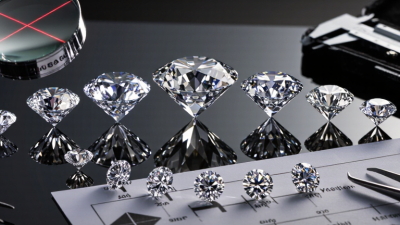
Global buyers often begin with shape, but professional classification starts with the four Cs: cut, color, clarity, and carat. Among polished choices, round brilliant, oval, cushion, emerald, pear, marquise, radiant, princess, Asscher, and heart cuts remain widely recognized. Cut controls light return, not simply outline. The Gemological Institute of America explains that proportion, symmetry, and polish strongly influence visual brightness. An excellent-looking stone may outperform a higher grade on paper.
Color ranges from D, considered colorless, toward Z, showing more visible yellow or brown. Near-colorless diamonds can offer practical value, especially in warm metal settings. Clarity evaluates inclusions and blemishes under controlled magnification. Many inclusions are invisible without a loupe. Carat measures weight, not apparent size. A well-cut 0.90-carat diamond may look larger than a poorly proportioned one-carat stone.
The USGS Mineral Commodity Summaries 2024 estimated global mined diamond production at approximately 120 million carats in 2023. This figure describes rough output, not polished inventory, but it highlights limited supply. Bain & Company’s 2024 Global Diamond Industry Report also noted continued pressure across diamond prices and demand.
Buyers should compare independent grading reports, measurements, fluorescence, and video performance. I would not treat a higher clarity grade as automatically superior. Personal viewing still matters. A certificate cannot show every real-world impression.
Round Brilliant Diamonds: The Global Standard for Maximum Sparkle
Among the top polished diamond types, round brilliant diamonds remain the global standard for maximum sparkle. Their circular outline and carefully arranged facets return light efficiently. Most contain 57 or 58 facets, depending on the culet design. This structure creates bright white flashes and smaller rainbow-like fire.
Cut quality deserves serious attention. A high color grade cannot rescue weak proportions. Buyers should review cut, polish, symmetry, measurements, and clarity under reliable lighting. Ask for an independent laboratory report. Then compare the diamond in daylight, office light, and warm indoor light. Differences can be surprisingly visible. I have seen stones with similar grades appear very different in person. That experience makes online purchasing require extra care.
Round brilliants also offer flexible setting choices. Their shape suits solitaire, halo, and three-stone designs. A well-made setting should hold the stone securely without hiding its lower facets. Fluorescence is not automatically negative; its effect depends on color and intensity. Some diamonds show a soft visual character, while others may look hazy. No certificate replaces careful observation. Even professional grading has limits, and personal taste still matters. A slightly warmer diamond may look beautiful beside yellow metal. The “best” choice is not always the most expensive one.
Fancy-Cut Diamonds: Oval, Cushion, Emerald, and Pear Shapes
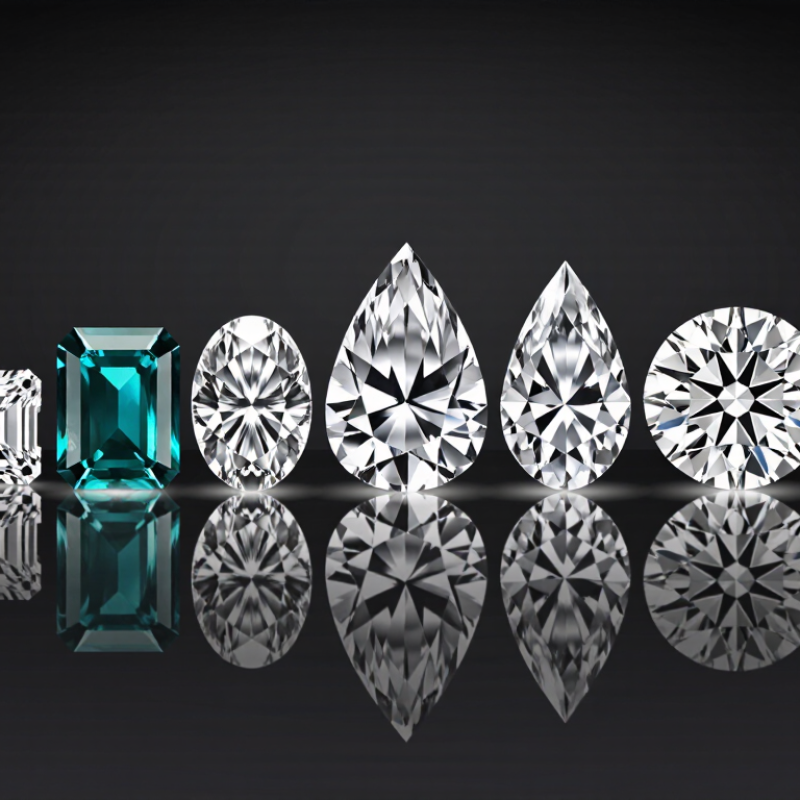
Fancy-cut diamonds are gaining attention among global buyers who want character beyond the classic round stone. The Knot’s 2024 Real Weddings Study identifies oval as one of the leading non-round engagement-ring choices. Its elongated outline can make a finger appear longer, while its brilliant faceting creates lively flashes under daylight. Still, oval diamonds may show a bow-tie shadow across the center. The effect varies with depth, symmetry, and viewing angle. Ask to inspect the stone in motion, not only in a showroom photograph.
Cushion, emerald, and pear shapes serve different buying priorities. Cushions offer rounded corners and broad, romantic facets, but crushed-ice cushions can hide inclusions. Emerald cuts use step facets, producing a clean hall-of-mirrors effect. They also reveal clarity issues quickly.
Pear shapes combine a rounded end with a pointed tip, requiring careful symmetry and secure protection at the point. GIA technical guidance notes that fancy shapes do not receive one universal cut-grade scale like round brilliants. Therefore, buyers should compare polish, symmetry, proportions, fluorescence, and face-up appearance together.
Bain & Company’s Global Diamond Report 2023 described continuing pressure on polished-diamond pricing, making direct stone comparison increasingly important. Do not assume a larger carat weight means better visual value. Sometimes, the less perfect stone looks more alive.
Natural and Lab-Grown Diamonds: Origins, Value, and Buyer Considerations
Top 10 Polished Diamond Types for Global Buyers
Natural and Lab-Grown Diamonds: Origins, Value, and Buyer Considerations
The ten popular polished shapes are round, princess, cushion, oval, emerald, pear, marquise, radiant, Asscher, and heart. Shape affects brightness, face-up size, and price. Round diamonds often return more light, while emerald cuts reveal clarity more clearly. Oval and pear shapes may appear larger for their weight, but their outlines require careful inspection. Bow-tie shadows can reduce visual appeal. Proportions matter more than labels.
Natural diamonds form deep within Earth over geological time, then move through mining, cutting, grading, and international trade. Lab-grown diamonds are created in controlled facilities using advanced high-pressure or chemical vapor processes. Their crystal structure is essentially the same, but their origins differ. Lab-grown stones usually cost less, while natural diamonds may carry rarity-based value. Neither choice guarantees strong resale returns. Market pricing can change.
Buyers should request a current report from a respected independent grading laboratory. Check the report number, carat weight, color, clarity, cut, fluorescence, and any treatments. Inspect the stone under neutral lighting, not only bright showroom lamps. Ask about origin documentation and return terms. A lower price can hide weak proportions or poor finishing. I once underestimated how much a small inclusion affects daily viewing; photographs rarely show the whole truth. Compare several stones, and leave room to reconsider.
Top 10 Polished Diamond Types for Global Buyers
Indicative relative value by cut and origin
The index uses a round brilliant natural diamond as the 100-point reference for a comparable one-carat polished diamond with similar color and clarity. Natural diamonds generally command higher prices because of geological rarity, while lab-grown diamonds offer similar physical and optical properties at a substantially lower cost. Actual prices vary with carat weight, cut quality, color, clarity, certification, fluorescence, and market conditions.
Certification, Ethical Sourcing, and International Purchasing Factors
Top 10 Polished Diamond Types for Global Buyers
Choosing among round brilliant, princess, cushion, emerald, oval, pear, marquise, radiant, Asscher, and heart cuts requires more than visual appeal. Each cut reflects light differently and affects price, durability, and resale interest. International buyers should request an independent grading report confirming carat weight, color, clarity, proportions, and treatments. Verify the report number directly with the issuing laboratory. A certificate helps, but it is not a guarantee of value.
Ethical sourcing also needs careful evidence. Ask for origin statements, supplier due diligence records, and chain-of-custody information where available. The Kimberley Process mainly addresses rough diamonds, so polished stones require additional documentation. Check import rules, customs duties, taxes, insurance, and payment protections in the destination country. Clear invoices should identify the diamond, treatment status, total price, and shipping terms. Claims such as “responsibly sourced” can sound reassuring, yet vague wording deserves questions. No checklist is perfect.
Tips:
Compare reports before comparing prices. Request daylight and magnified videos. Confirm whether fluorescence affects appearance. Use secure logistics and keep every document. A lower price may reflect weaker clarity, poor proportions, hidden treatments, or incomplete paperwork. Recheck everything. Mistakes happen, even with experienced buyers.