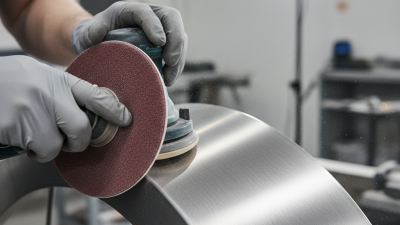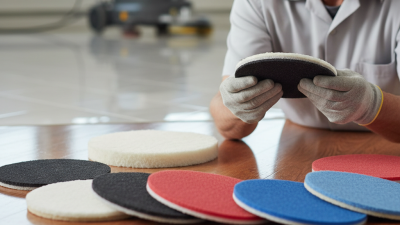


The world of materials science is vast and varied. Among these materials, "Irregular Abrasive" types stand out for their unique properties. They play a crucial role in various industries, from manufacturing to construction.
Unlike regular abrasives, irregular ones exhibit unpredictable shapes and sizes. This can enhance their effectiveness in specific applications. For instance, irregular abrasives can offer superior cutting or grinding capabilities. Their unpredictable nature can sometimes make them challenging to work with. Users might encounter difficulties in achieving the desired finish.
However, understanding these materials is essential for maximizing their potential. Familiarity with the top ten irregular abrasives can help workers make informed choices. Each type has its own advantages and drawbacks. They should be handled with care and consideration. In an ever-evolving industry, the knowledge of irregular abrasives remains indispensable.
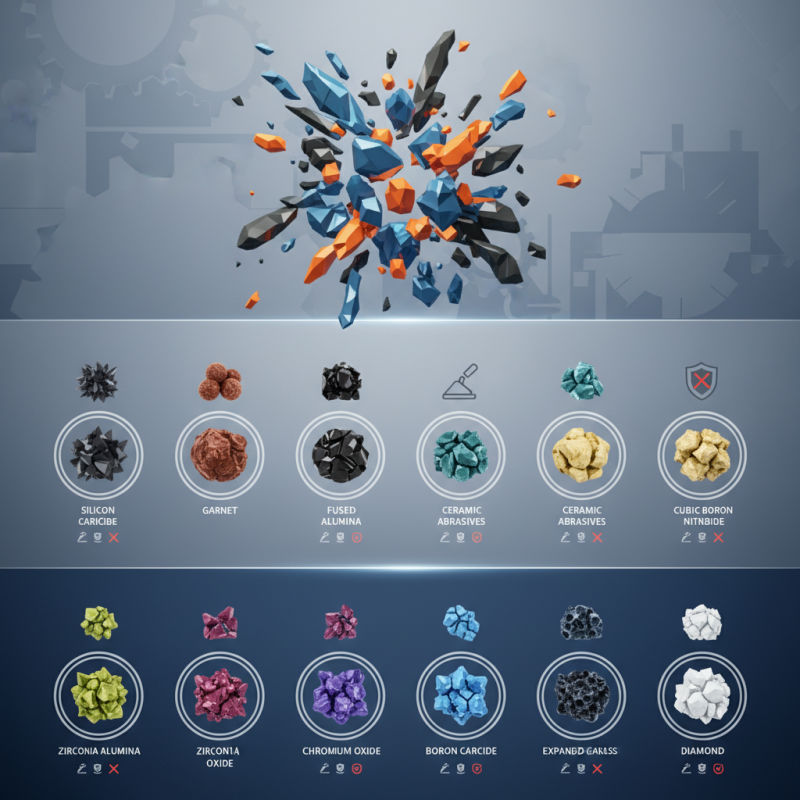
Irregular abrasive materials are vital in various industries. These materials, optimized for specific tasks, can provide unique benefits. Unlike regular abrasives, they can have unpredictable shapes and sizes. This irregularity often leads to better results in certain applications. For instance, differing angles and edges can enhance cutting efficiency.
Understanding these materials is essential. Different shapes can impact the wear and tear on equipment. Users may find that an abrasive might perform better or worse based on its irregularity. The user must experiment to find the best fit for their needs. Some may prefer uniformity, while others appreciate the unpredictability. This point often leads to mismatches between expectations and reality.
Transitioning to these materials requires careful consideration. Not all applications will suit irregular abrasives. This brings uncertainty into the process, requiring constant reflection. A good understanding of the material's nature is vital. Finding the right balance can result in impressive outcomes. Consistent evaluation is key to harnessing their potential effectively.
Abrasive materials play a crucial role in various industries. Understanding their types and properties is essential for effective applications. Irregular abrasive materials differ significantly from their regular counterparts, offering unique advantages and challenges.
Common types include garnet, pumice, and diatomaceous earth. Garnet is known for its sharp edges, making it suitable for water jet cutting and blasting. Pumice, on the other hand, is lightweight and porous, often used in polishing applications. Diatomaceous earth has fine particles that work well for filtration and as a mild abrasive. Each material has distinct properties that affect its performance.
However, working with irregular abrasives requires careful handling. Their uneven shapes can impact the consistency of the finish. Users might find themselves adjusting techniques frequently. This variability can lead to frustration but also encourages creativity in problem-solving. Engaging with these materials opens up learning opportunities, reminding us that imperfection can lead to innovation.
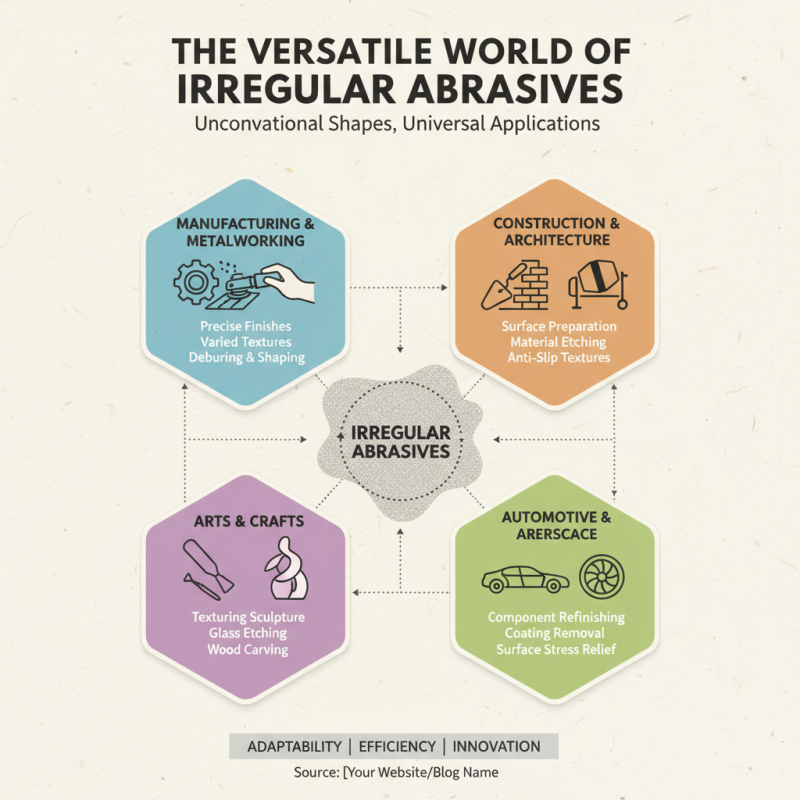
Irregular abrasive materials play a significant role across various industries. They are used in manufacturing, construction, and even the arts. Each application showcases their unique capabilities. For example, in metalworking, these materials help achieve precise finishes. The irregular shapes of these abrasives create varied textures on surfaces, proving useful for diverse projects.
In the construction sector, irregular abrasives serve as essential ingredients for abrasive blasting. They efficiently clean surfaces, preparing them for coatings. Using these materials can lead to varying results, which may sometimes be less predictable. This unpredictability can be a double-edged sword, requiring careful consideration from professionals. Artists also utilize irregular abrasives to achieve specific effects in their work, adding complexity and character to their pieces.
Despite their versatility, using irregular abrasives comes with challenges. The grit size and composition can significantly impact the outcome. Variability may lead to inconsistent finishes, prompting professionals to adjust their techniques. Mastering the use of these materials demands practice and experimentation, showcasing the art of balancing unpredictability with desired results.
Irregular abrasive materials play a significant role in various industrial applications. They can be useful for specific tasks, but they come with their own set of advantages and disadvantages. One major advantage is their versatility. They can tackle a variety of surfaces and materials effectively. Their irregular shapes provide unique cutting angles that can lead to more efficient material removal.
On the downside, irregular abrasive materials can sometimes create uneven finishes. This may require additional polishing or smoothing processes. Another drawback is that these materials often have inconsistent performance. Some grains may wear out faster than others, leading to variable results. Proper selection and handling are crucial. If not managed well, the outcome can be far from satisfactory. It's essential to reflect on these factors when deciding on the right abrasive material for a project.
| Material | Advantages | Disadvantages |
|---|---|---|
| Corundum | High hardness and durability, effective on metals. | Can be more expensive than other abrasives. |
| Garnet | Natural and eco-friendly, effective for cutting and blasting. | Not as widely available as synthetic alternatives. |
| Silicon Carbide | Very hard, suitable for fine grinding and polishing. | Can be brittle and is less effective on softer materials. |
| Alumina | Good thermal stability, versatile for various applications. | Less effective for high-speed operations. |
| Glass Beads | Non-toxic, provides a smooth finish on surfaces. | Limited effectiveness on hard materials. |
| Walnut Shells | Natural abrasive, safe for the environment, reusable. | Less effective for heavy grinding tasks. |
| Steel Shot | Durable and reusable, effective for heavy cleaning. | Can cause surface fatigue on softer materials. |
| Coconut Shells | Eco-friendly, used for polishing and cleaning. | Not suitable for high-intensity applications. |
| Crushed Quartz | High hardness, ideal for abrasive blasting. | Potentially harmful silica dust when inhaled. |
| Pumice | Lightweight, absorbent, and good for light cleaning. | Limited to softer and less abrasive applications. |
When choosing irregular abrasive materials, consider your specific needs. Look closely at the type of work you'll be doing. Different materials excel in different applications. For example, some are better for heavy-duty grinding. Others work best for finer finishing. Knowing the intended use is essential.
The particle shape and size also matter. Irregular shapes can provide unique cutting action. However, they may not fit all machines or tools. Consider compatibility; that’s key. You might find that some materials create more dust or debris. This can affect your workspace environment.
Experimentation is vital. You may need to try several types of abrasives before settling on the right one. Pay attention to wear and tear on your equipment. An abrasive that works well for one task might not for another. Keep track of your experiences. Reflection will help improve your selection process in the future.